
Tracking COVID-19 Vaccination Barriers Over Time: A Census-Tract-Level Barrier Index Approach
Stride Scheduling for Time-Critical Collision Detection
Coming, D. S., Staadt, O. G. (2008). Stride Scheduling for Time-Critical Collision Detection, 113-120, 3D Data Processing, Visualization and Transmission: Atlanta, Georgia

What We Do
WHAT WE DO CALIFORNIA NEVADA ADAPTATION PROGRAMOur mission is to improve resilience in California and Nevada by providing decision makers usable information through integrating cutting-edge physical and social science.CNAP, California Nevada Applications Program, has...
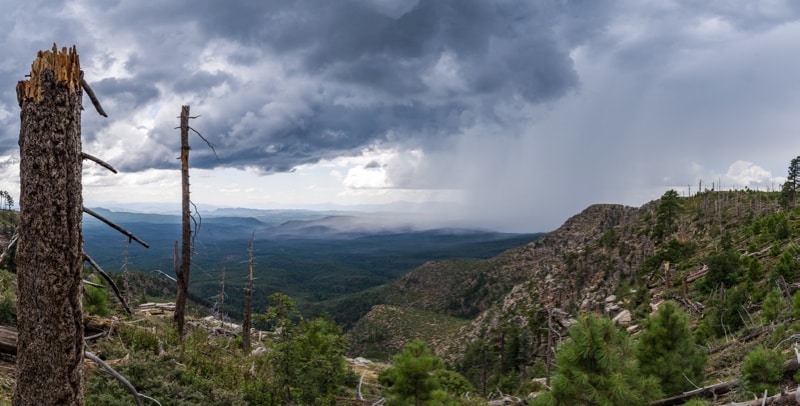
New study identifies atmospheric conditions that precede wildfires in the Southwest
Reno, Nev. (January 3, 2018): To protect communities in arid landscapes from devastating wildfires, preparation is key. New research from the Desert Research Institute (DRI) in Reno may aid in the prevention of large fires by helping meteorologists and fire managers...
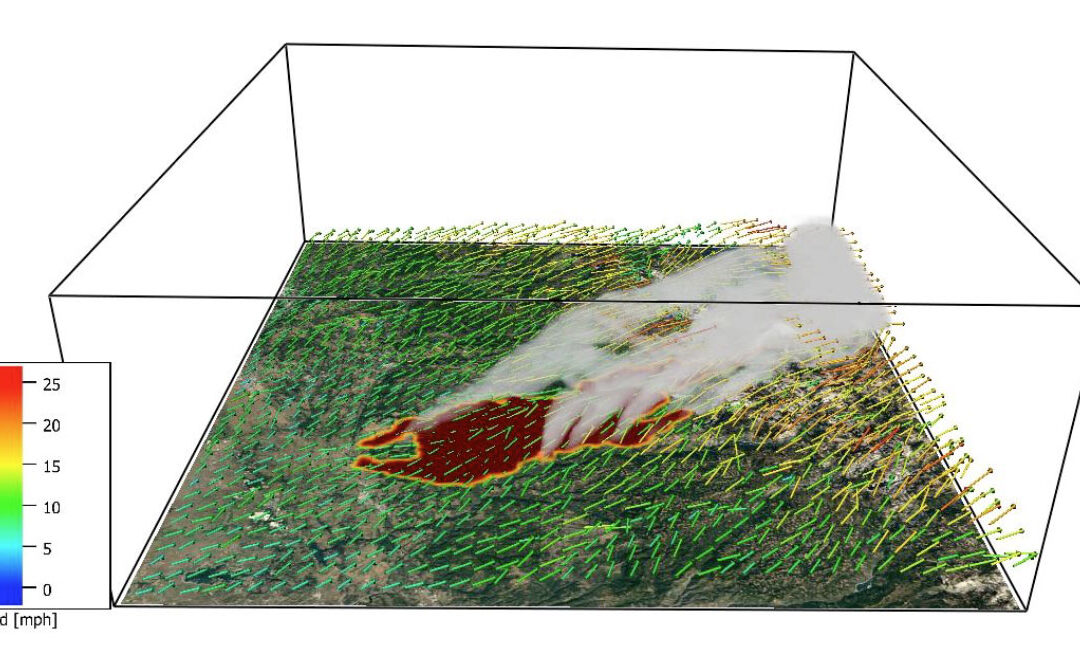
New NV Energy Foundation Grant Will Support Wildfire Preparedness in Nevada
A generous grant from the NV Energy Foundation will provide $150,000 to support DRI’s development of a Weather and Research Forecast advanced modeling tool that simulates weather, fire, and smoke for firefighting and prescribed fire operations.
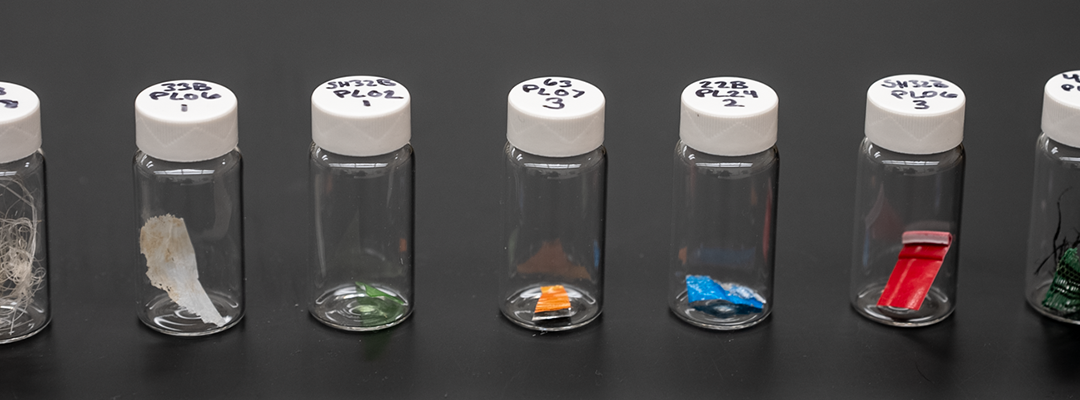
Meet Microplastics Research Students Angelique DePauw and Olivia Hines
Angelique DePauw and Olivia Hines are undergraduate student researchers in the Microplastics and Environmental Chemistry Lab. Together, they are conducting an experiment comparing the decomposition rates of plastic and plastic-alternative straws.

Sushi Time! Lab outing to welcome a new postdoc Ting Zhang
We had lunch at the OAL's favorite sushi place today to welcome Dr. Ting Zhang to the lab. Ting will be working with Dr. Andrey Khlystov at DRI and Dr. Sergey Varganov at UNR to study thermal decomposition of e-cigarette flavorants. Her project has both laboratory and...
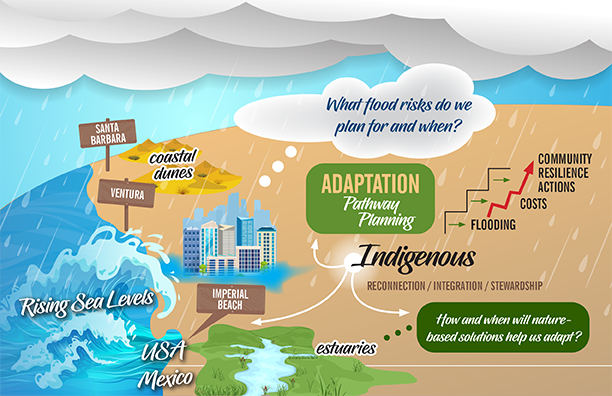
Evaluating Nature-Based Solutions for Coastal Adaptation in Southern California
This project will coproduce and integrate climate, social science research, and Indigenous stewardship to support the advancement of effective and equitable sea-level rise adaptation planning with several collaborators across Southern California.
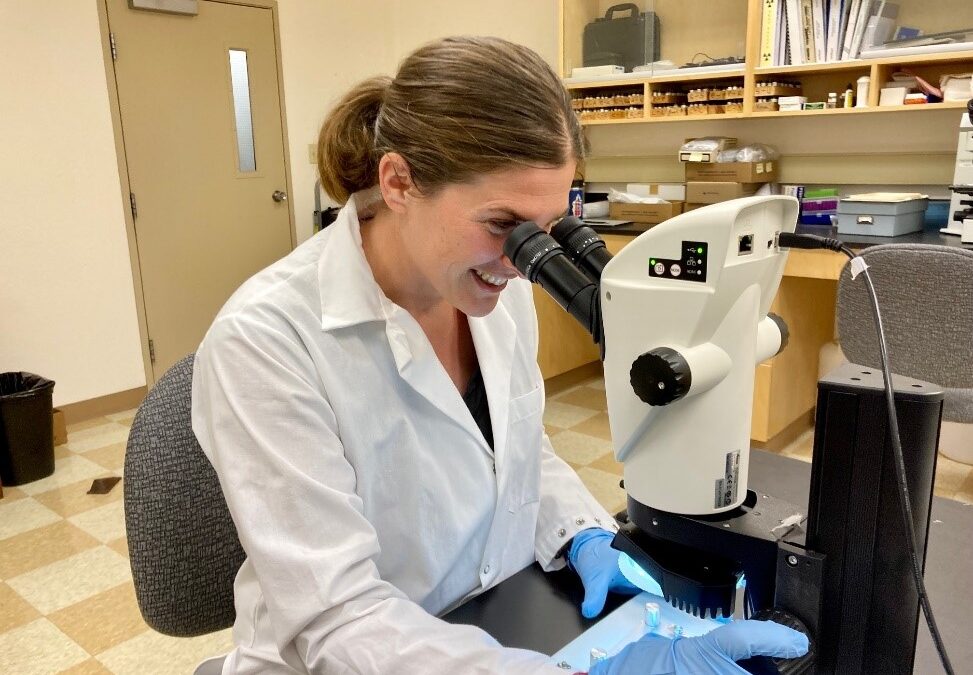
NSF Graduate Research Fellowship Awarded to Microplastics Researcher Rachel Kozloski
Rachel Kozloski is a Ph.D. student in Dr. Monica Arienzo’s lab focused on the movement and characteristics of microplastics in ground and surface water.
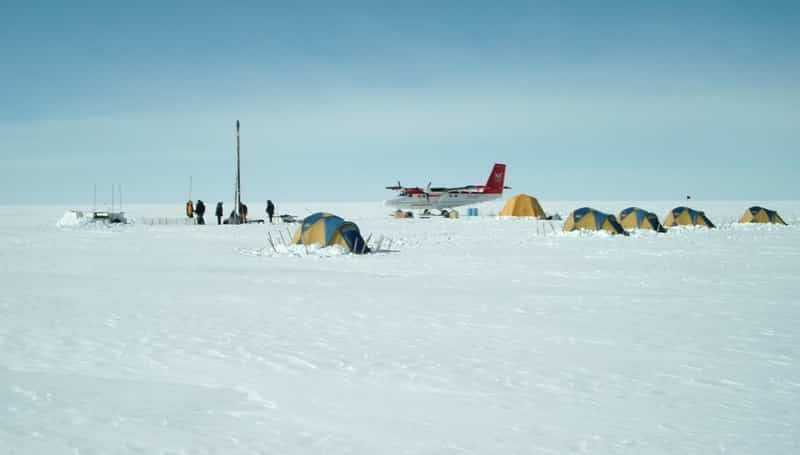
North Atlantic Ocean productivity has dropped 10 percent during Industrial era
Researchers use a drill to extract one of the Greenland ice core samples that became the basis for this research. Credit: Joe McConnell/DRI. RENO, Nev. (May 7, 2019) - This week, new research outlining the steady decline of phytoplankton productivity in the North...
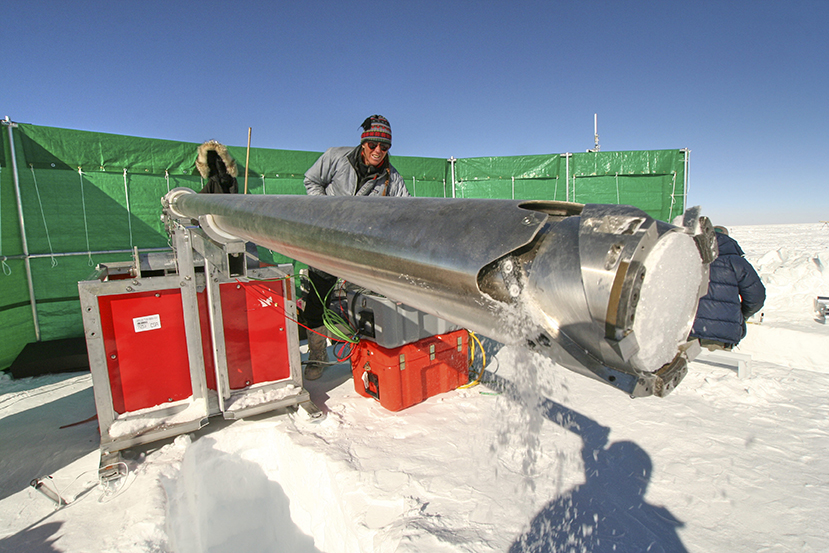
The First Assessment of Toxic Heavy Metal Pollution in the Southern Hemisphere Over the Last 2,000 Years
An international team of scientists led by DRI found evidence of Southern Hemisphere heavy metal pollution preserved in Antarctic ice cores from early Andean cultures and Spanish Colonial mining that predates the Industrial Revolution by centuries.
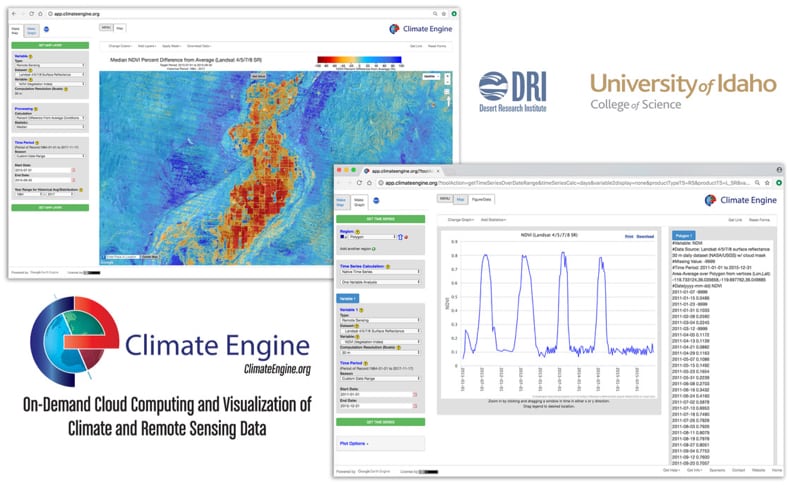
Climate Engine offers unprecedented access to Earth image datasets
Reno, NV (Thursday, December 7, 2017): Working with large environmental datasets is a complex and time-consuming endeavor, often requiring huge amounts of data storage, specialized high-performance computers and technical knowledge. Climate Engine (ClimateEngine.org),...
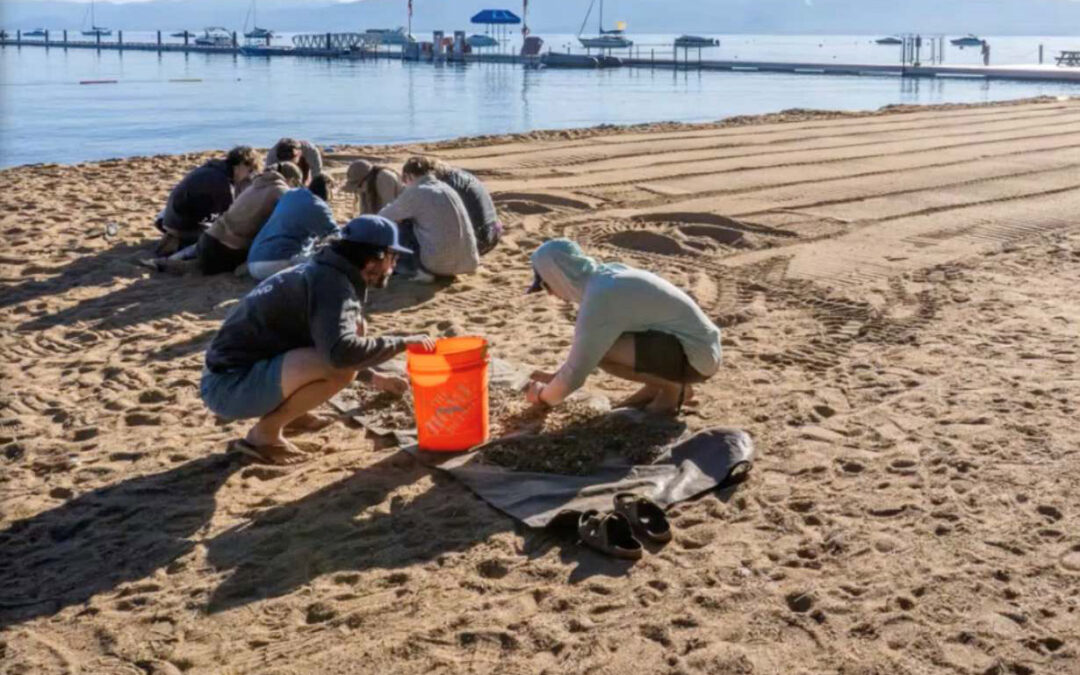
DRI Internships Offer TMCC Students Insight Into Science Careers
This summer, DRI brought eighteen students from Truckee Meadows Community College (TMCC) to our Reno campus for a paid, immersive research experience. Over the course of the ten week program, students worked under the mentorship of DRI faculty members to learn about the process of using scientific research to solve real-world problems. This unique internship program welcomes all students, not only those pursuing majors in science.
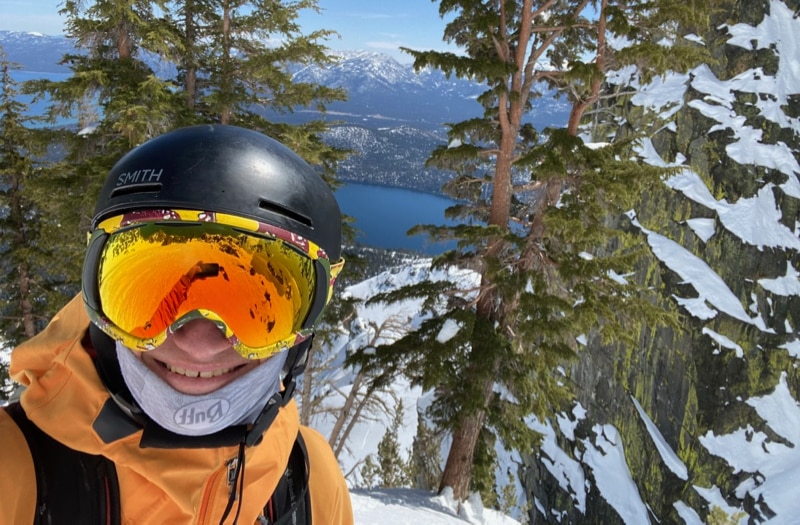
Meet Ben Hatchett
Benjamin Hatchett, Ph.D., is an assistant research professor in the Division of Atmospheric Sciences at the Desert Research Institute in Reno. Ben has been a member of the DRI community since 2005 when he began as an undergraduate lab assistant. He holds a Bachelor’s...

History of the DRI Nevada Medal
Nevada Medal of Science Recipients 1988 - 2021 Dr. Kathryn Sullivan is a distinguished scientist, astronaut, explorer and author of Handprints on Hubble: An Astronaut’s Story of Invention. “The scale, the immensity, and power of our planet and its systems are very...
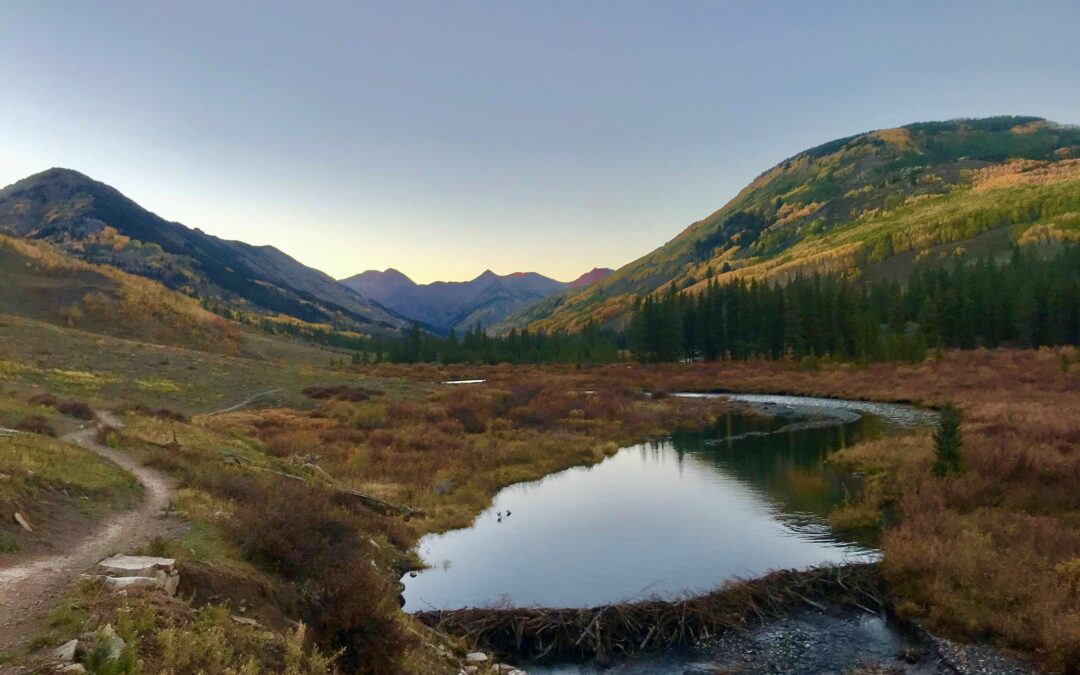
Climate Change is Already Impacting Stream Flows Across the U.S.
DRI researchers examined more than 500 watersheds across the country and found that increased winter temperatures are driving more extreme fluctuations in streamflow.
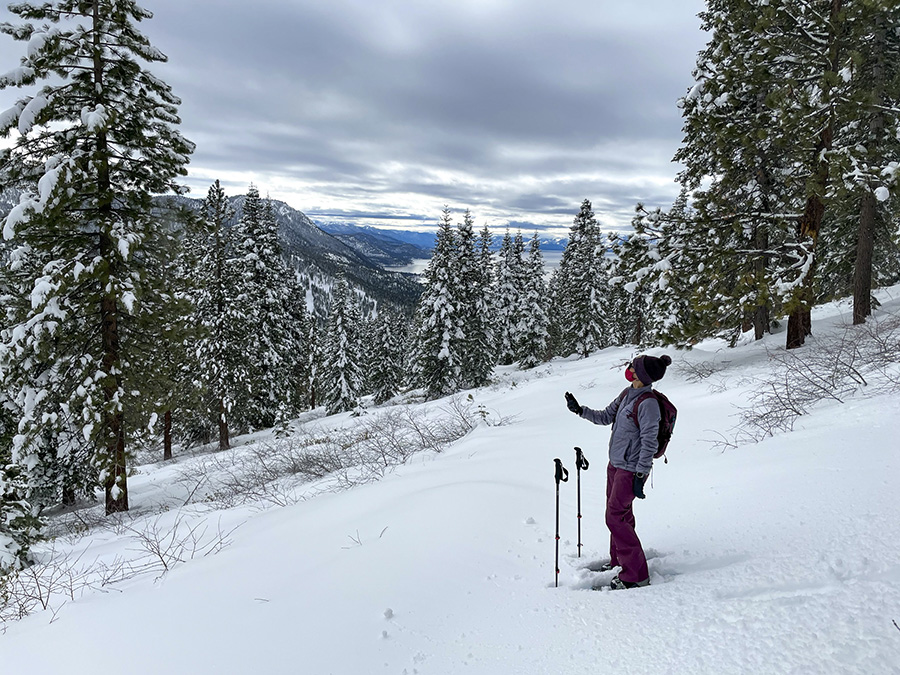
Volunteer Scientists Validate Rain and Snow Estimates
DRI scientists Guo Yu, Meghan Collins, Monica Arienzo, and Anne Heggli co-authored a new study that examines how Mountain Rain or Snow is helping improve weather forecasting models. The citizen science project collects observations of precipitation from community volunteers across the country to further scientific understanding of the environmental variables impacting where precipitation falls as either rain or snow. This information is critical for informing avalanche forecasting, road safety, and water resources management.
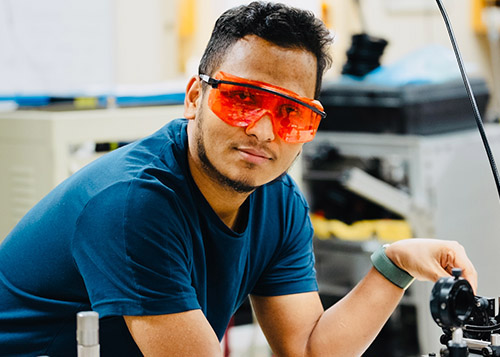
Meet Prakash Gautam
Prakash Gautam, Ph.D., is an Assistant Research Professor in the Division of Atmospheric Sciences and the Director of DRI’s Optics Lab: “Gautam Laboratory for Advanced Aerosol Dynamics and Light Scattering Research.” He has been with DRI since August 1, 2022, when he first joined as a Postdoctoral Researcher. Gautam also serves as Graduate Faculty in the Physics and Atmospheric Sciences departments at the University of Nevada, Reno (UNR), where he contributes graduate teaching, mentorship, and research collaboration. His work seeks to understand how atmospheric particles interact with light in order to better understand atmospheric components.
In the following interview, Gautam shares his dual passions for physics and tennis and offers insight on creating a successful career in science.
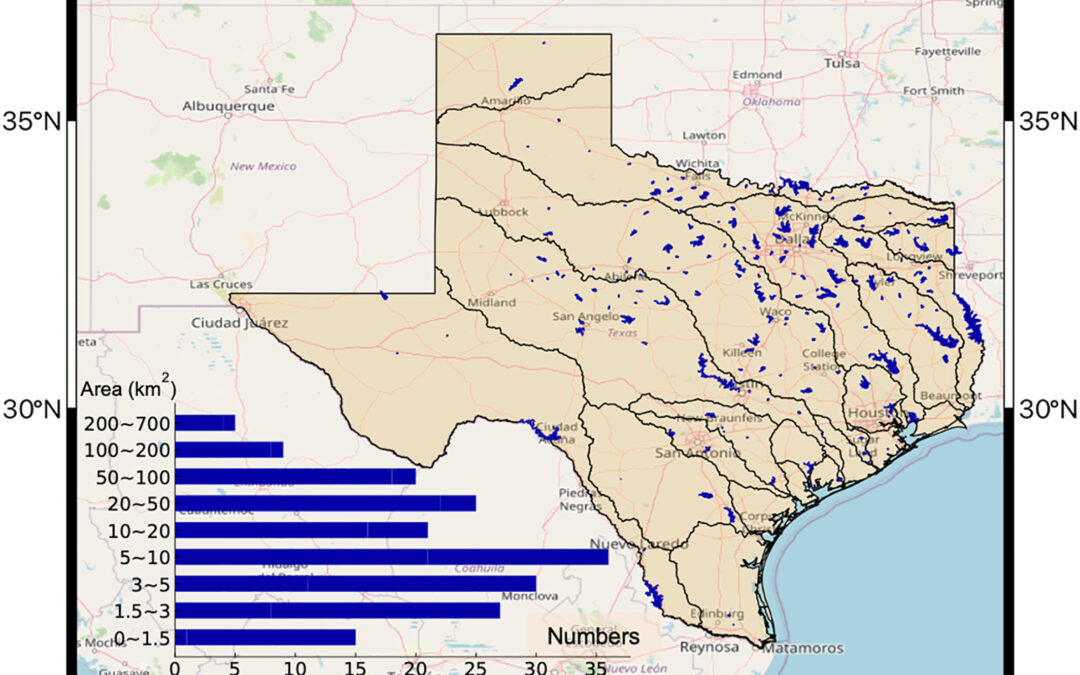
Every Drop Counts: New Algorithm Tracks Texas’s Daily Reservoir Evaporation Rates
A recent collaboration between DRI and Texas A&M University researchers provides state of the art, real-time evaporation estimates for improved management of water supply reservoirs throughout Texas.
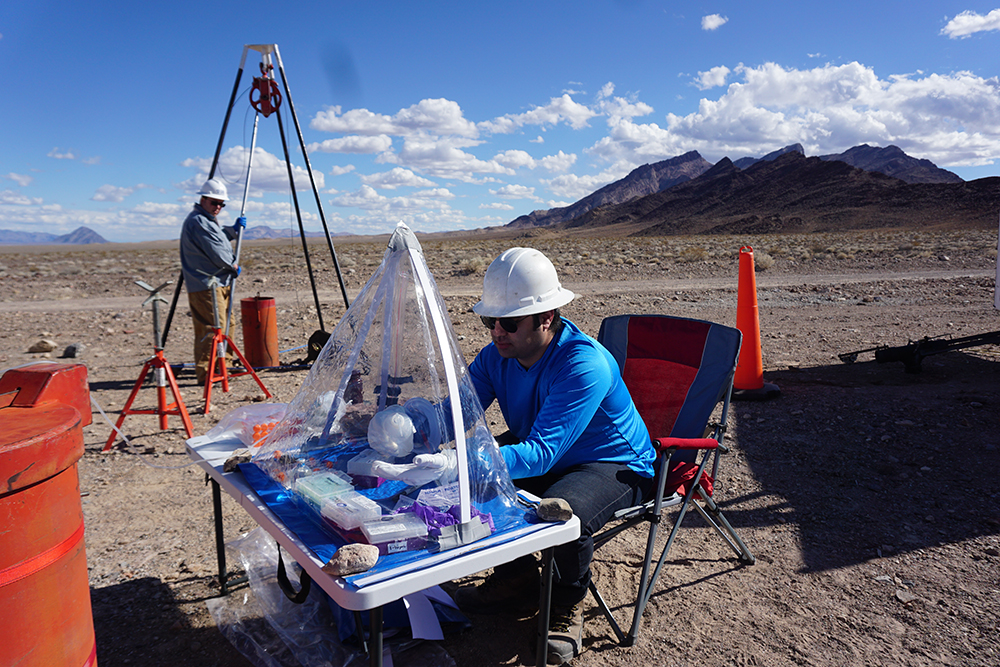
New Method Reveals Hidden Activity of Life Below Ground
DRI’s Duane Moser, Ali Saidi-Mehrabad, and Molly Devlin co-authored a new study that examines the genetics and life strategies of microbes living deep below Earth’s surface. Dr. Moser and his lab conducted the fieldwork for the research as part of their work studying deep wells located in the Death Valley regional flow system.
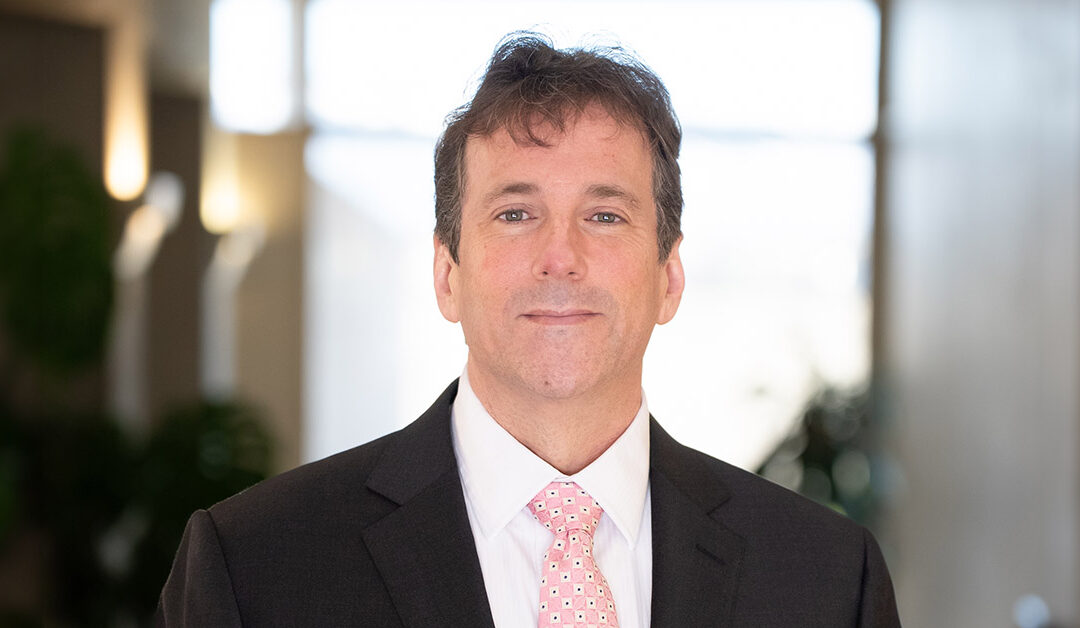
Meet Trey Flowers
Trey Flowers, Ph.D., P.E., joined DRI in March as the new Executive Director of the Division of Hydrologic Sciences. He brings a wealth of expertise in hydrology research and water resources management, having previously worked at the National Oceanic and Atmospheric Administration (NOAA), the U.S. Agency for International Development (USAID), the U.S. Environmental Protection Agency (EPA), the Bureau of Indian Affairs (BIA), and Exponent. Immediately before joining DRI, he was leading the Analysis and Prediction Division at the National Weather Service’s Office of Water Prediction in Tuscaloosa, Alabama.
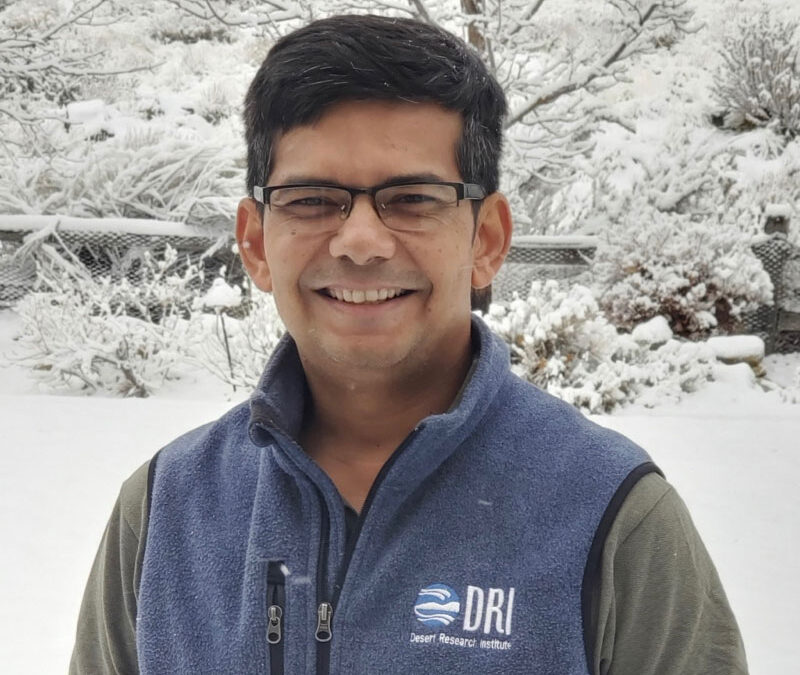
DRI scientist Rishi Parashar receives NSF Mid-Career Advancement Award
Meet Rishi Parashar, Ph.D., who recently received a National Science Foundation (NSF) Mid-Career Advancement Award, and learn about his research in this Q&A with “DRI’s Behind the Science” Blog.
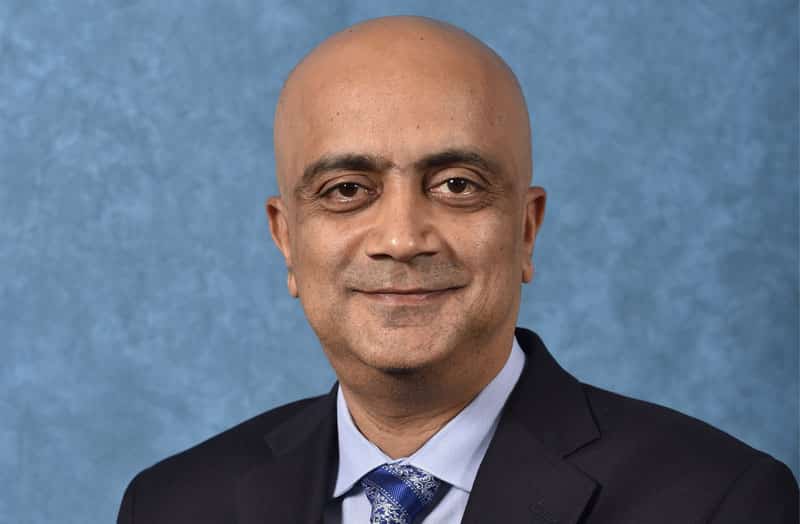
NSHE Board of Regents Appoint Interim President of DRI
Dr. Kumud Acharya, an ecological engineer and long-time Desert Research Institute faculty member, was given a two-year contract. Media Contact: Francis McCabe, (702) 290-8971, fmccabe@nshe.nevada.edu CARSON CITY – Dr. Kumud Acharya, an ecological engineer whose...
Science Alive Welcomes New Team Members
Science Alive is happy to announce this year's group of AmeriCorps members serving as our STEM Education Outreach Coordinators! Our programs and various projects are only made possible by the hard work, innovative ideas and range of expertise brought to us by our...

A Reconstruction of Prehistoric Temperatures for Some of the Oldest Archaeological Sites in North America
A new study offers a reconstruction of prehistoric temperatures for some of the first known North American settlements.