Arsenic Contaminates Private Drinking Water Wells Across the Western Great Basin
A new study shows more than 49,000 well users across the region may be at risk of exposure to unhealthy levels of arsenic in drinking water.

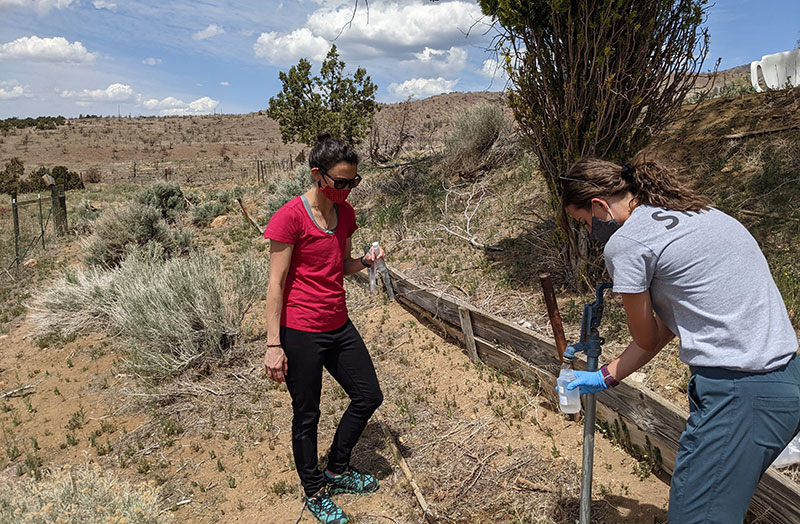
A new study shows more than 49,000 well users across the region may be at risk of exposure to unhealthy levels of arsenic in drinking water.
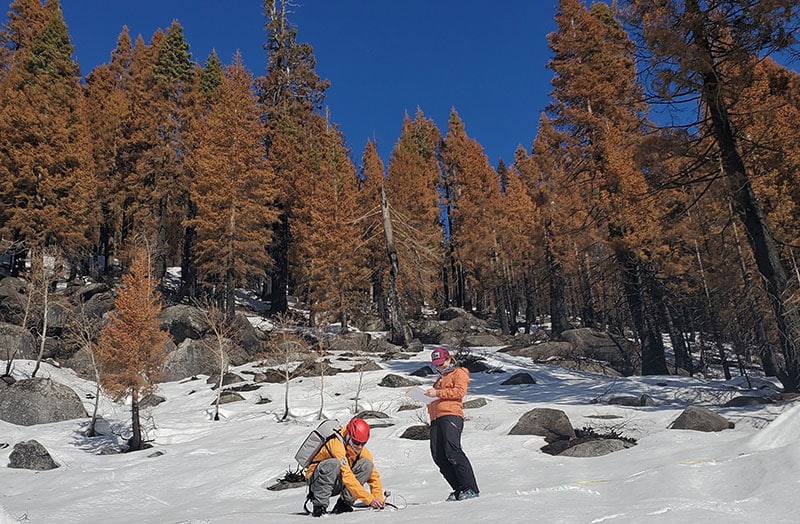
A DRI-led team examined what happens to mountain snowpacks when sunny, midwinter dry spells occur in forests impacted by severe wildfire.
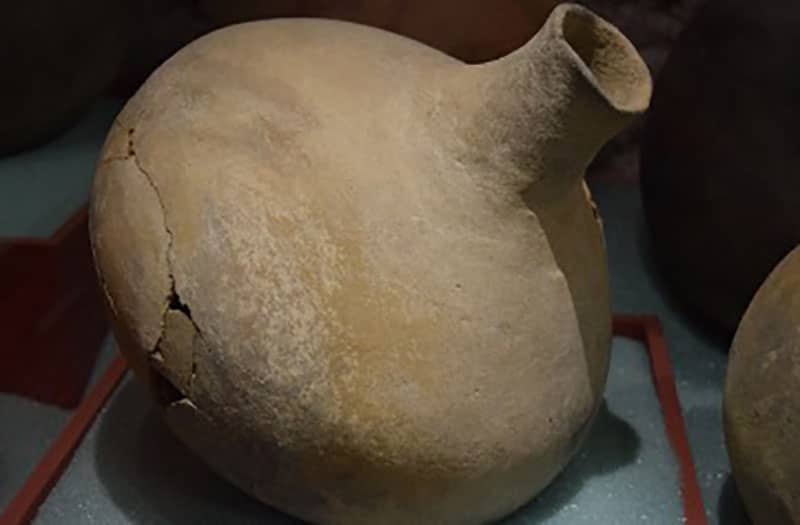
DRI archaeologist Greg Haynes recently completed a synthetic report on the prehistoric ceramic artifacts of the Colorado and Mojave deserts.
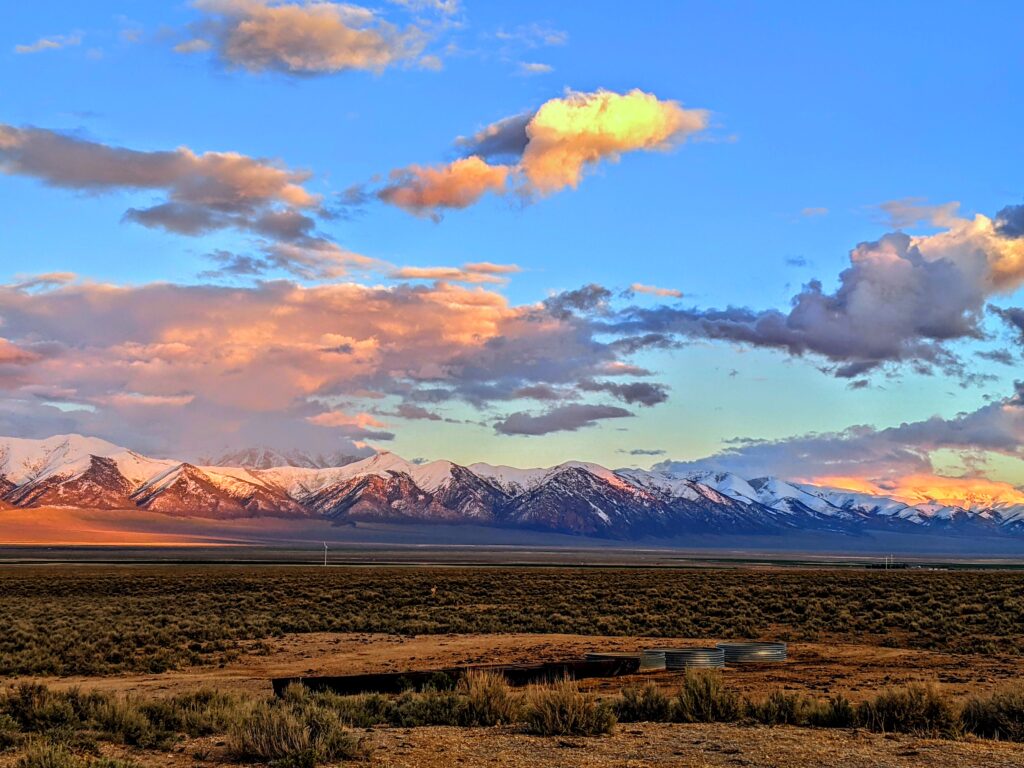
With $5 million from NOAA’s Climate Adaptation Partners initiative, CNAP will focus on preparing communities to address local natural hazards.
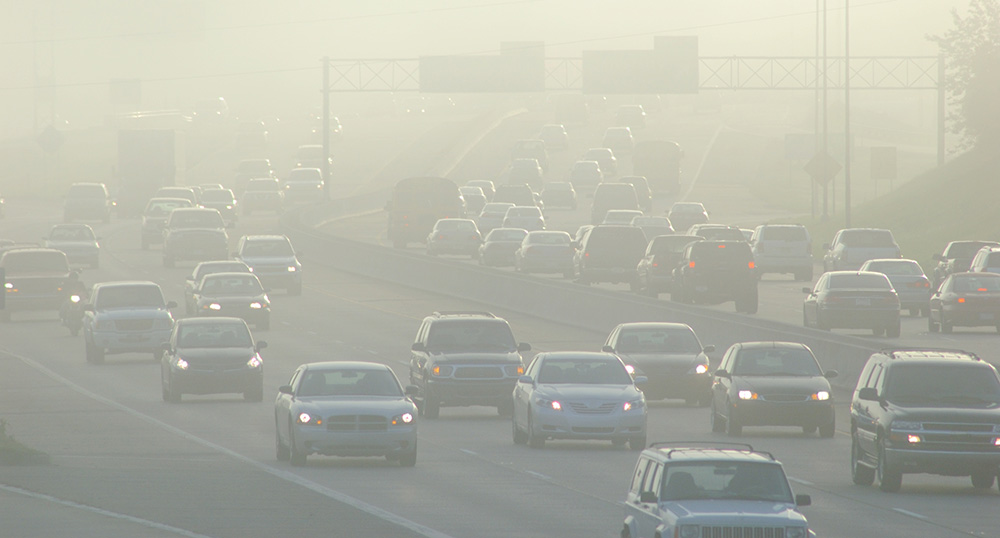
In a new study, researchers take a closer look at some overlooked pollutants, known as non-tailpipe emissions.
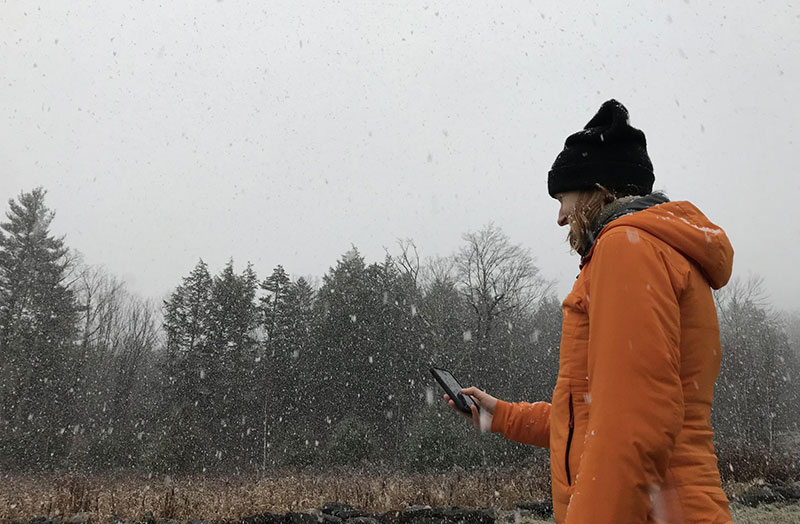
Researchers from Lynker, DRI, and UNR are partnering with community observers to track winter storms activity through Mountain Rain or Snow.
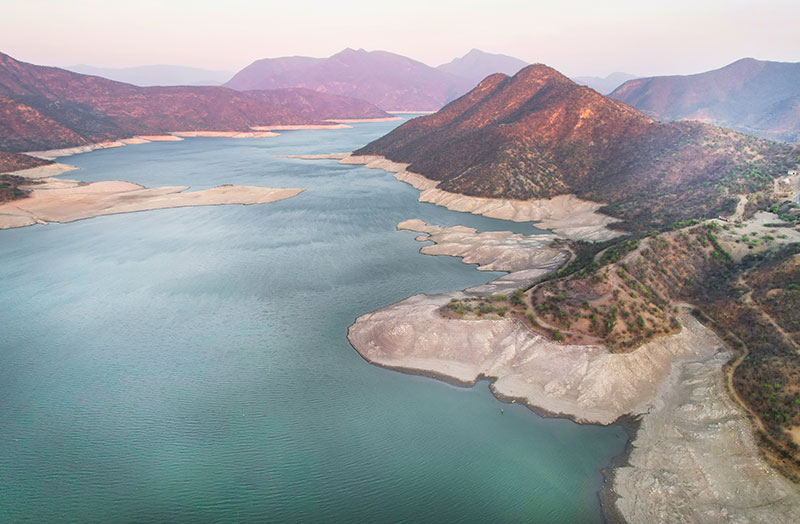
In a new study, scientists including DRI's Erick Bandala, Ph.D., address how a warming climate alter water quality in tropical reservoirs.
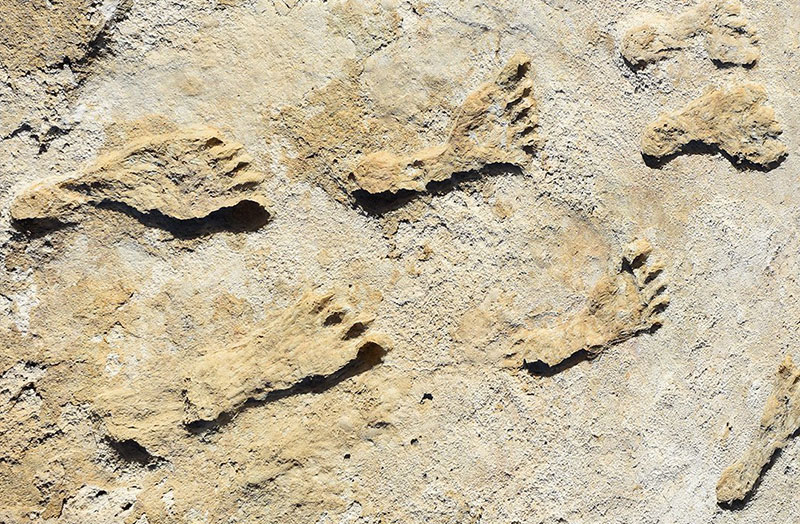
Recent research claimed that preserved footprints were from the last ice age. Now, a new study disputes the evidence of such an early age.
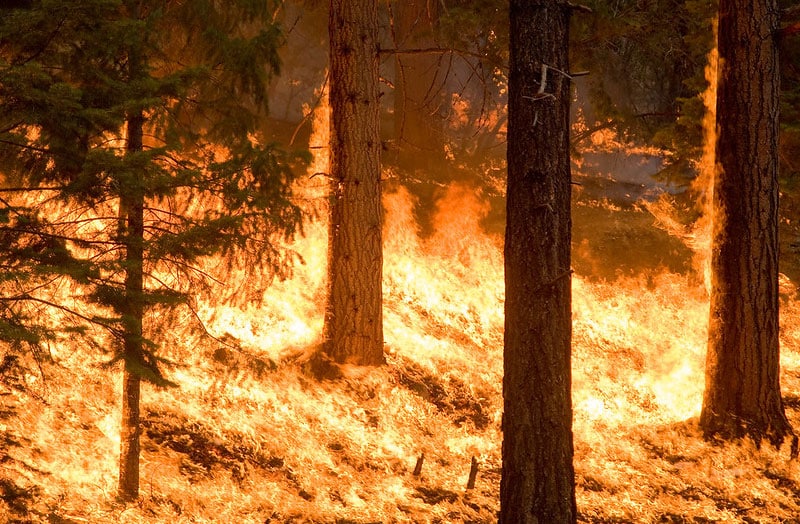
The largest wildfires developed because they responded to high-wind events and preceding dryness more strongly than the other wildfires.
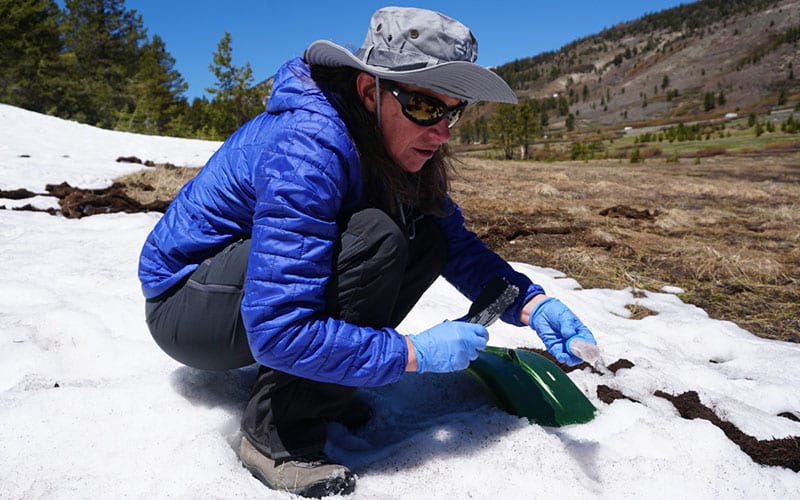
Murray, Nieminen, Collins, Christopher, and Lundin at DRI are studying snow algae as part of the Living Snow Project – a collaboration between DRI and Robin Kodner and her team at Western Washington University.