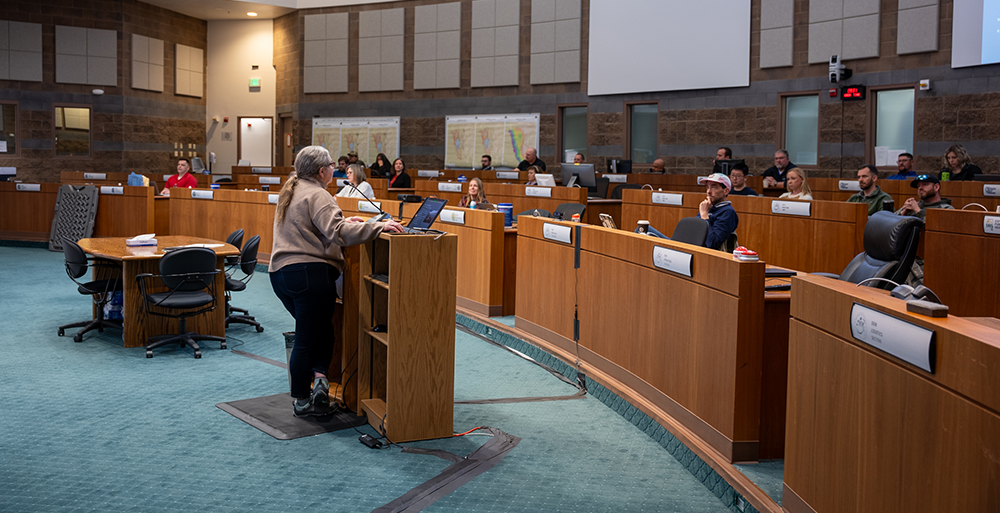
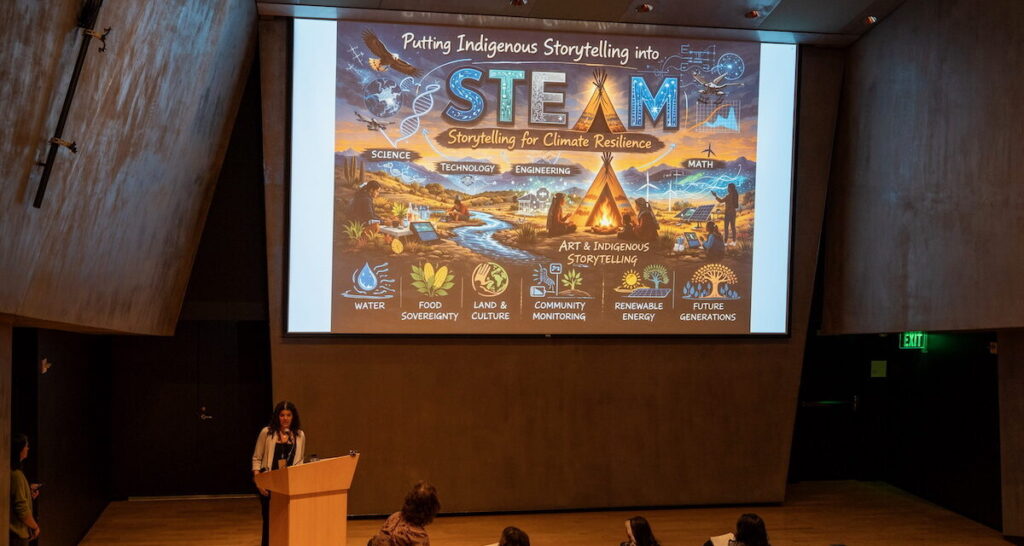
A woman talking on a stage with a projector behind her

Indigenous Storytelling at the 2026 NV STEAM Conference

Last month at the Nevada Museum of Art, a few hundred K-12 teachers from across Nevada gathered on a Saturday morning to contemplate STEAM—the idea that students’ understanding of STEM (science, technology, engineering and mathematics) can be complemented and strengthened by incorporating the arts. The 2026 NV STEAM Conference, cohosted by the Desert Research Institute (DRI), also included a Friday night open house at the DRI campus.

As part of the conference, the Native Resilience project led two sessions titled “Storytelling for Resilience: Bridging Indigenous Knowledge and Climate Science,” highlighting how our project uses storytelling to spread awareness about climate-related challenges and resilience in Indigenous communities.
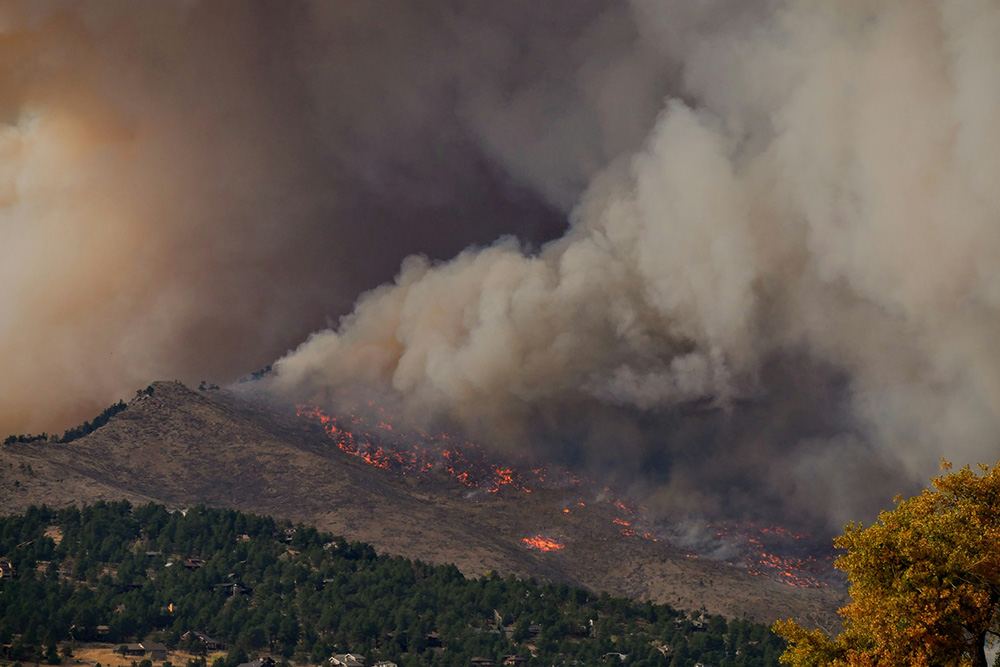
Fires dot a mountainside with dense smoke billowing into the sky.

Weather Whiplash is Amplifying Wildfire Risk

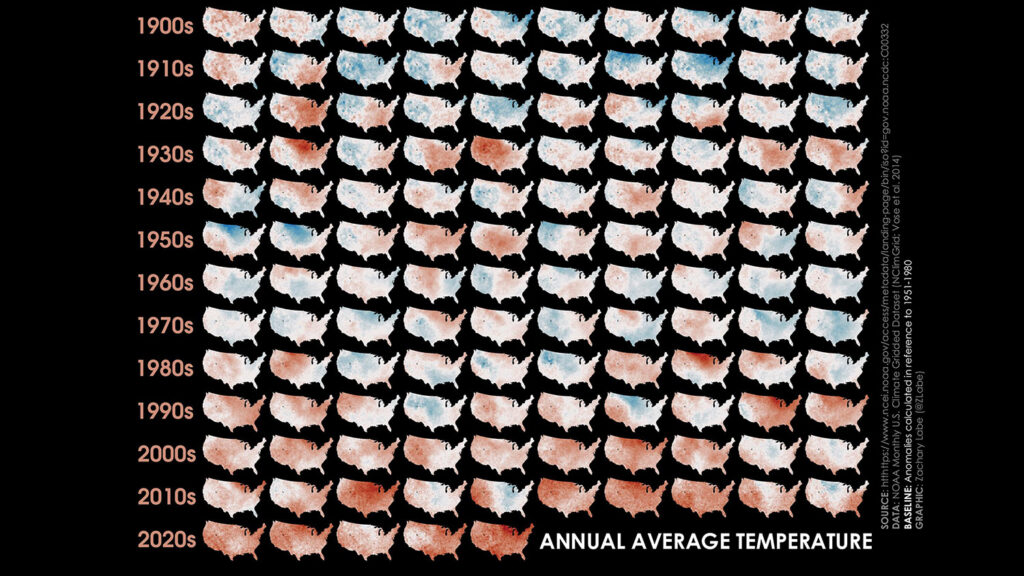
While fires engulfed large swaths of southern California in early January, destroying more than 16,000 structures, taking at least 29 lives, and choking the air with smoke, a new study about weather whiplash was released. Co-authored by DRI’s Christine Albano, the research examined how a warming climate is creating an atmosphere more prone to extreme weather. Now, Albano and her co-authors have released a new report that applies the knowledge gained from January’s study to the recent fires, analyzing the broader climatic context that contributed to the unprecedented infernos.

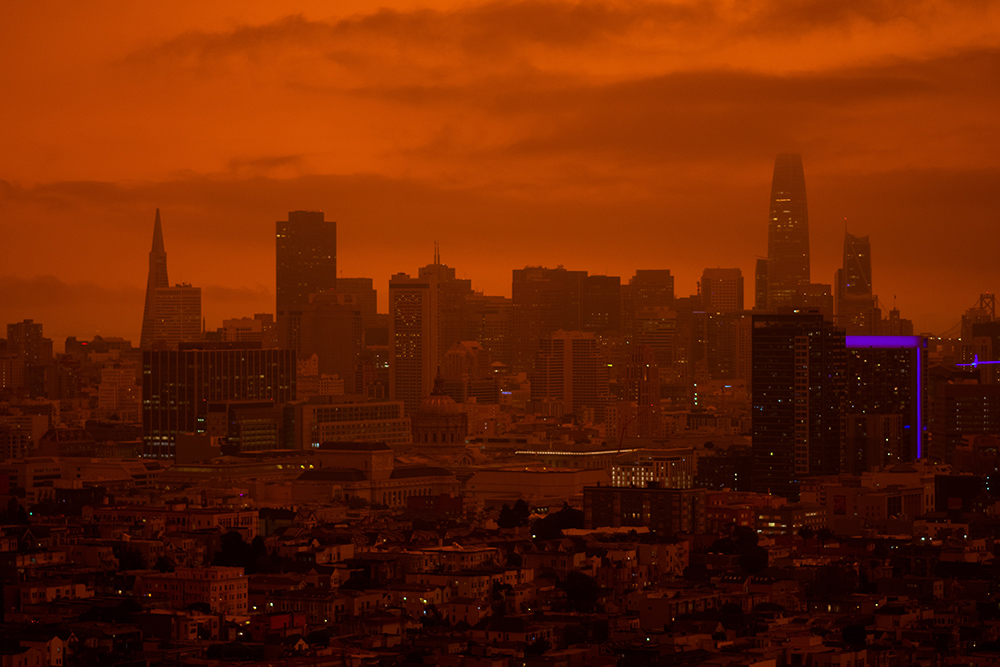
A city landscape shrouded in a red haze.

Floods, Droughts, Then Fires: Hydroclimate Whiplash is Speeding up Globally

DRI’s Christine Albano co-authored a new study that examines how a warming climate is creating an atmosphere more prone to extreme weather. This “hydroclimate whiplash” is evident in California’s recent weather, with winters filled with repeated atmospheric river storms driving the plant growth that the dry summers then parched, providing plentiful fuel for explosive wildfires.

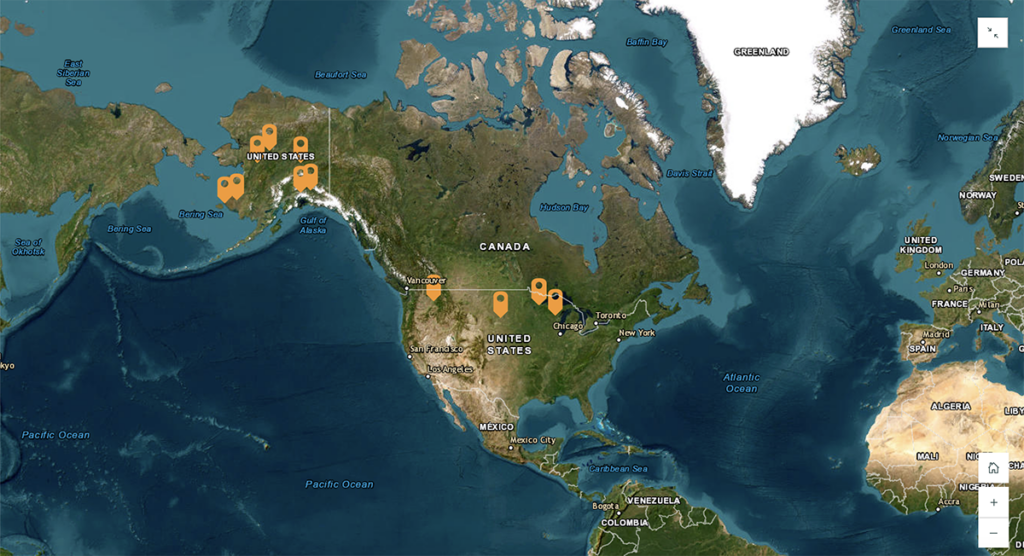
Map of North American with orange markers indicating locations of extreme weather events.

Native Climate Reporter Team Presents, Listens, and Learns at Indigenous Climate Conference in Alaska

Along Alaska’s western coastline, 400 miles from the nearest road system, villagers from the Indigenous community of Newtok were scheduled for permanent evacuation in mid-October due to the irreversible threat of rising seas. The story, recounted by Newtok resident Della Carl in September at the National Indigenous Climate Conference in Anchorage, Alaska, embedded itself deep in the hearts and minds of each member of the audience, making it clear not just that sea level rise is happening, but why it matters. Such is the power of a well-told story.