Scientists Uncover Conditions Key to Formation of the Great Barrier Reef
Scientists have sought to understand the conditions that led to the Great Barrier Reef’s formation. A new study claims to have the answer.

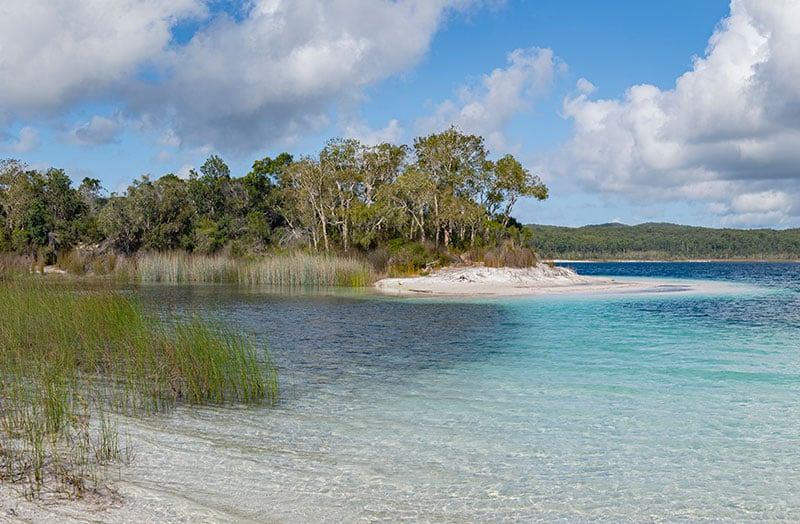
Scientists have sought to understand the conditions that led to the Great Barrier Reef’s formation. A new study claims to have the answer.
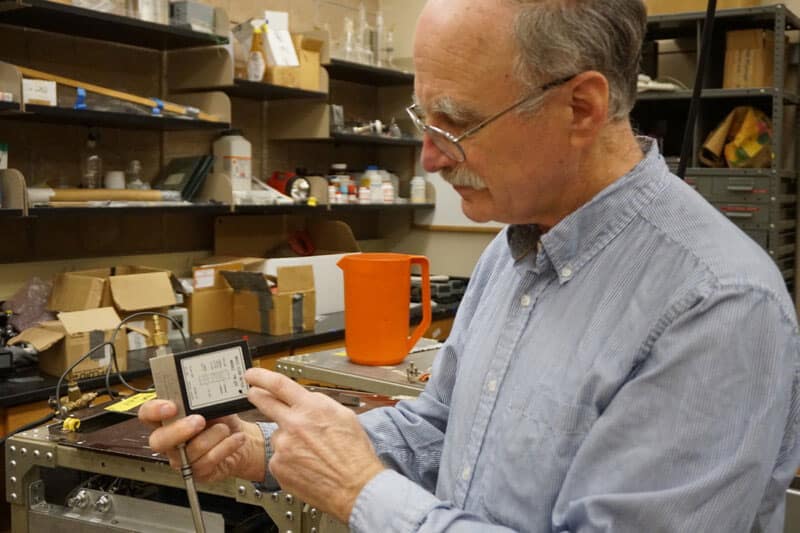
Research Professor Jim Hudson, Ph.D., DRI’s longest-serving employee, recently retired from DRI after 51 years studying cloud physics.
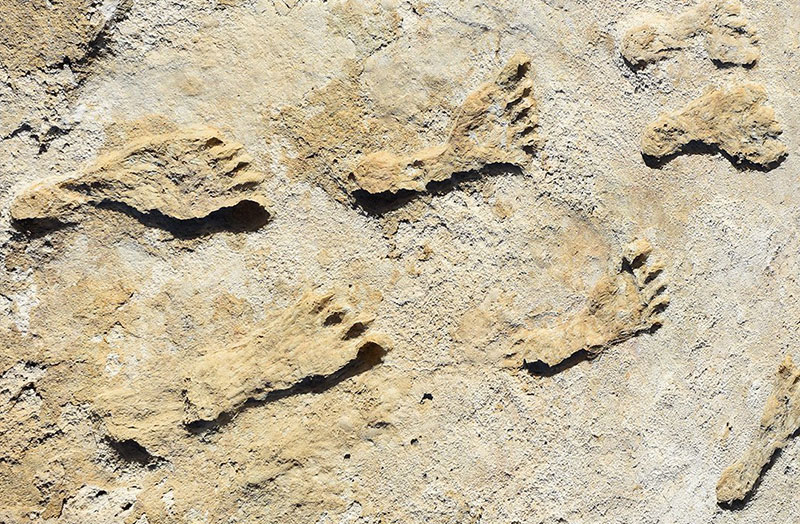
Recent research claimed that preserved footprints were from the last ice age. Now, a new study disputes the evidence of such an early age.

Most Americans report experiencing at least one childhood trauma and these experiences have significant impacts on our health as adults.

The 24th annual Peter B. Wagner Memorial Award for Women in Atmospheric Sciences has been awarded to Lily Hahn.
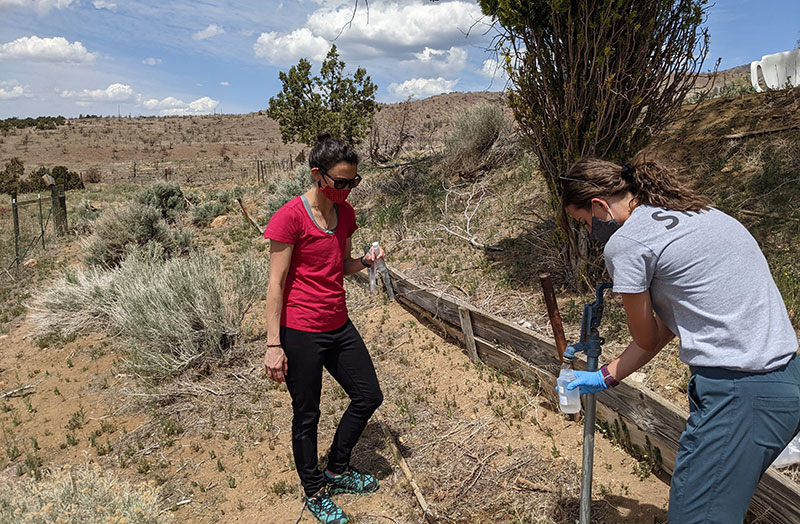
Some tested private wells in Nevada are contaminated with levels of heavy metals that exceed federal, state or health-based guidelines.

Desert Research Institute (DRI) is excited to welcome Emily McDonald-Williams as its STEM Education Program Manager.

To build a strong STEM workforce in Nevada, Nevada Gold Mines and Nevada Robotics are bringing STEM Education to schools across the state.
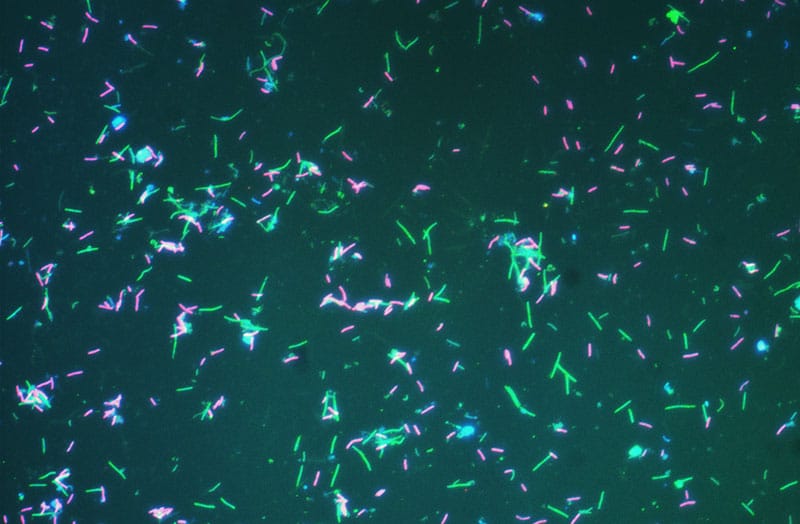
Scientists presented a new system, the SeqCode, that could help microbiologists effectively categorize and communicate about microorganisms.
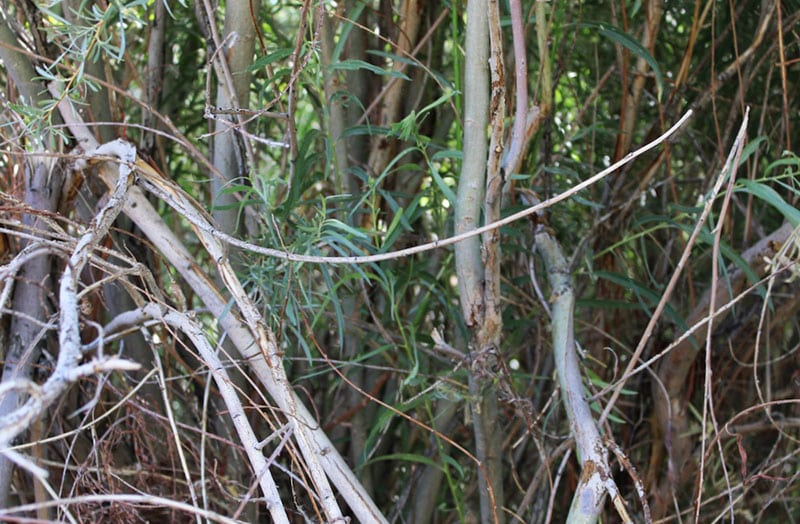
The continuation of life for the Wá∙šiw is based around plants like hímu. With it, they can help us understand our problems.