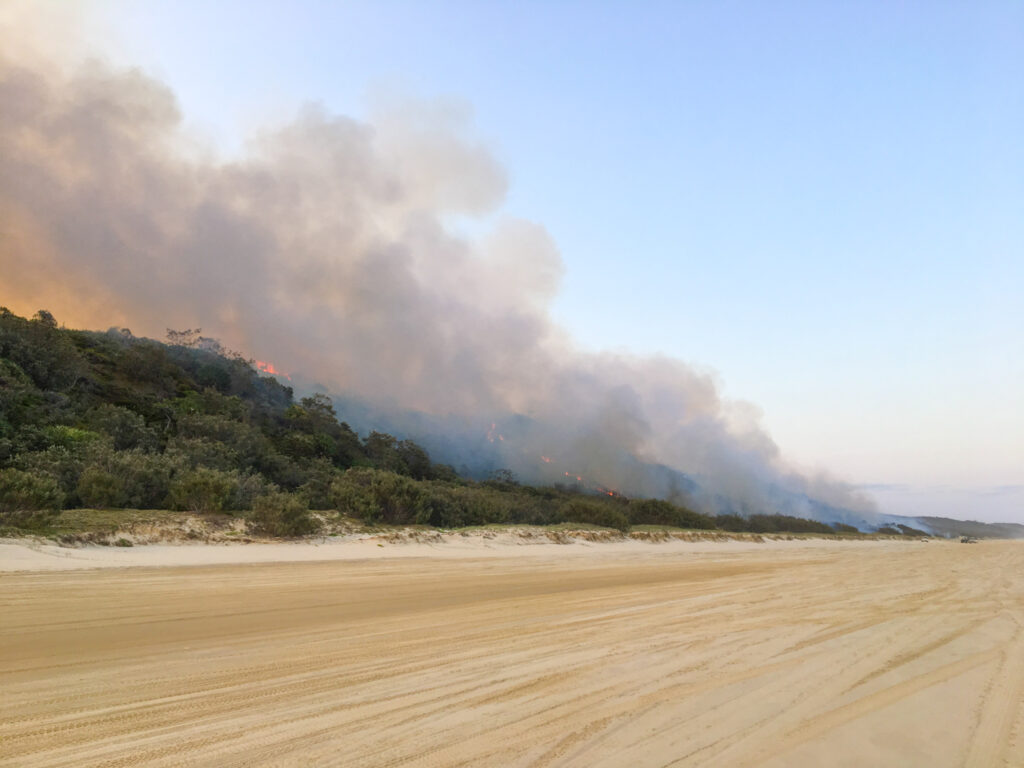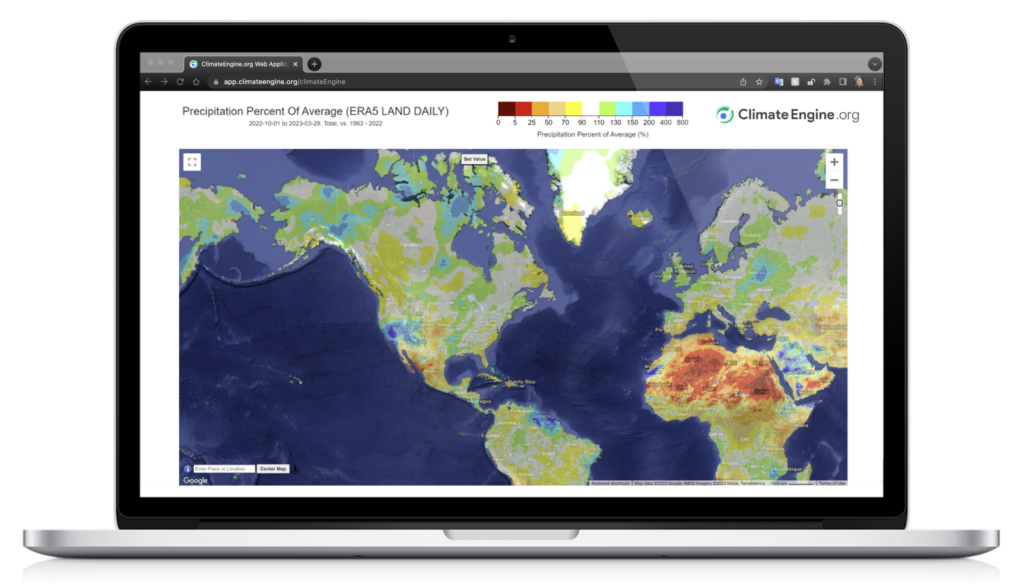
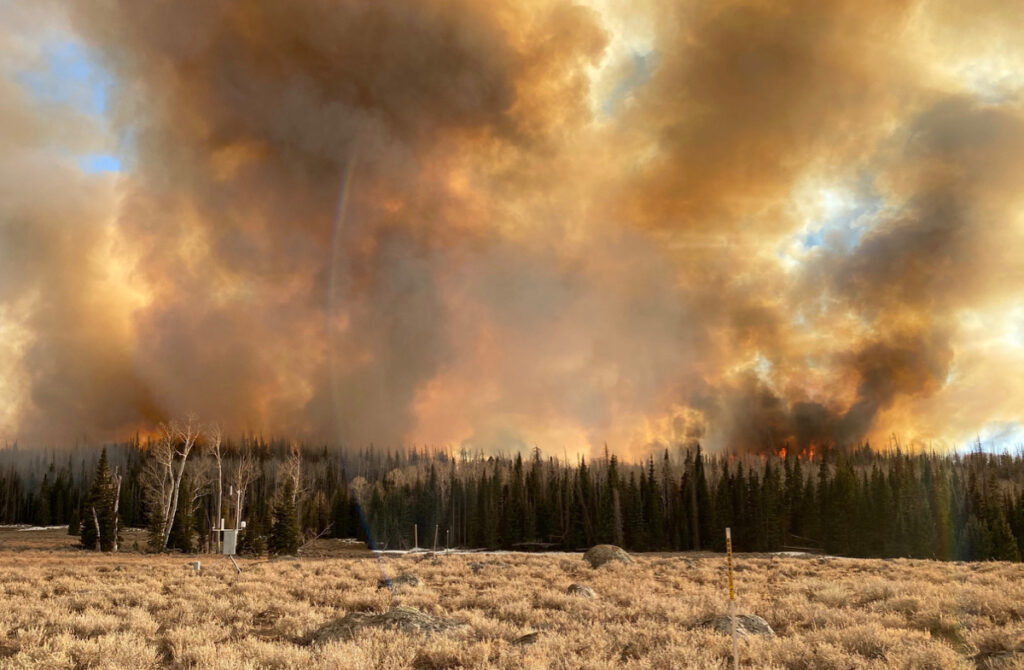
smoke coming from a burning forest

Preparing Communities for the Future of Wildfire 

Last year saw DRI’s inaugural global initiative aimed at advancing community resilience and adaptability in the face of rapid global change – AWE+, for an Adaptable World Environment. The event brought together hundreds of scientific experts, policymakers, resource managers, and other stakeholders to discuss ways to strengthen our communities against the growing threat of wildfires. To maintain momentum on the topic and continue building relationships that advance resilience, DRI’s 2025 AWE+ event sought to build on these conversations, again focusing on wildfire and bringing experts together from across the nation.
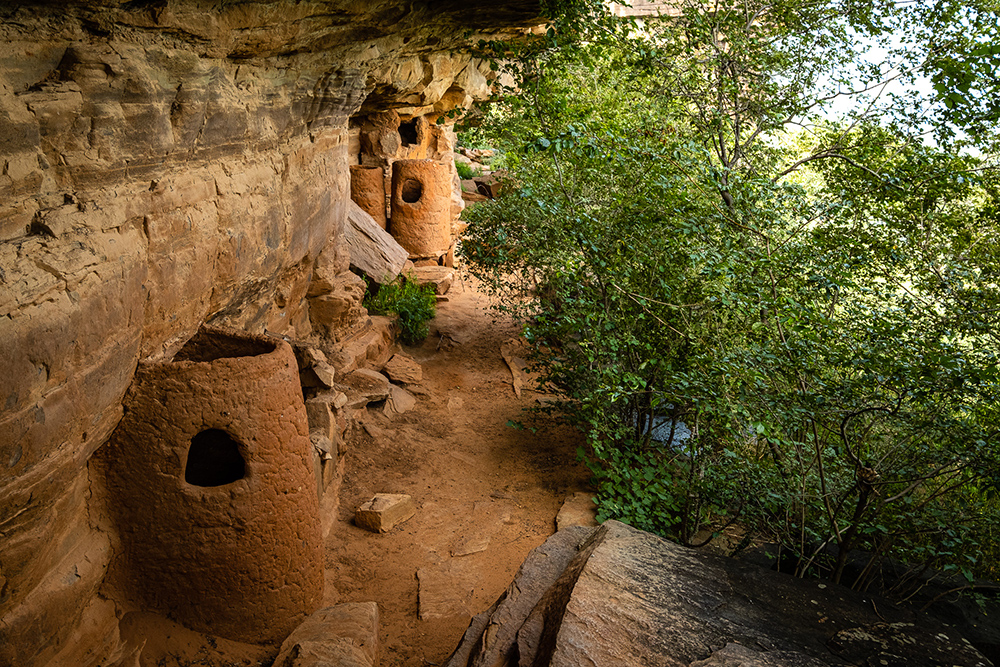
Reddish colored ancient clay dwellings on a cliffside with trees.

New Study Traces Indigenous Population Shifts in North America Before Europeans

DRI’s Erick Robinson, Associate Research Professor of Climate and Archaeology, co-authored a new study that provides insight into North America’s Indigenous communities prior to European contact. The research found that although Indigenous populations varied regionally, the continent saw a population peak around 1150 A.D. before experiencing declines, likely stemming from drought, disease, emigration and warfare. A brief recovery around 1500 A.D. was followed by a sharp decrease upon the arrival of Europeans.

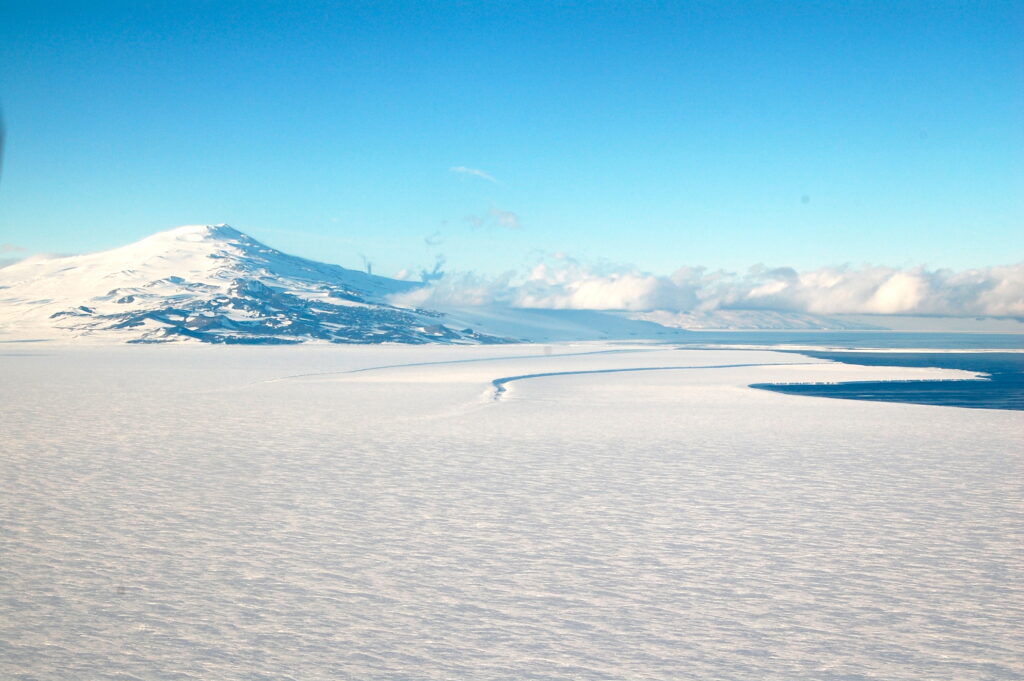
An image of an Antarctic ice sheet with a hill on one side and a lake on the other

First-ever layered lake-sediment sample extracted from subglacial Antarctica

Since the discovery 50 years ago of subglacial lakes in Antarctica — some of the least accessible geological features on Earth — scientists have attempted to extract lake bed sediment to learn about the formation, movement, and past conditions of the ice sheet. Now, a team of researchers with the NSF-funded project Subglacial Antarctic Lakes Scientific Access (SALSA) has successfully done so, recovering the first layered sediments from beneath the modern Antarctic ice sheet.