A wide, murky river cutting through a lush green valley with colorful houses on the cliff sides.

DRI’s Monty Majumdar is Working with an International Team of Researchers to Create a Digital Twin of India’s Ganges River Basin

DRI’s Sayantan (Monty) Majumdar, Assistant Research Professor of Hydrologic Science and Remote Sensing, is joining forces with an international team of researchers to create a digital twin of the entire river basin that will support decision-makers as they work to protect this critical resource. Originally hailing from the river’s fertile lands, Majumdar is now based on DRI’s Reno campus, where he contributes to a wide range of research on water management issues in the Western U.S. As a no-cost Co-Principal Investigator (similar to a volunteer consultant role) on the project, he is excited to contribute the knowledge and models developed by teams like the OpenET project and apply them to India in order to expand their reach and test their efficacy in different climates.

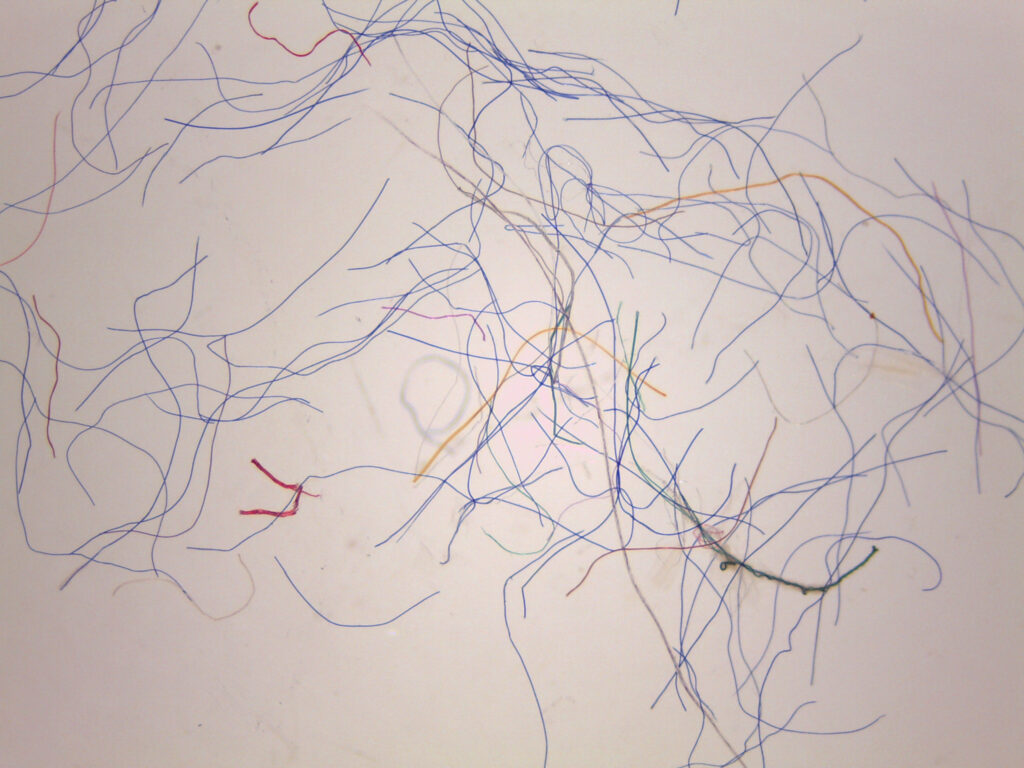
A microscope photo of colorful microfibers.

Household Dryers Are Significant Sources of Microfiber Pollution, Study Finds 

The fabrics that fill our homes, from natural cotton towels and bedsheets, to clothes produced with synthetic materials, produce microscopic fibers as they break down over time. Previous research has shown that household washers collect and release these microfibers into the environment, and now a new study uses citizen science to demonstrate how dryer vents also produce microfibers under normal household use.  

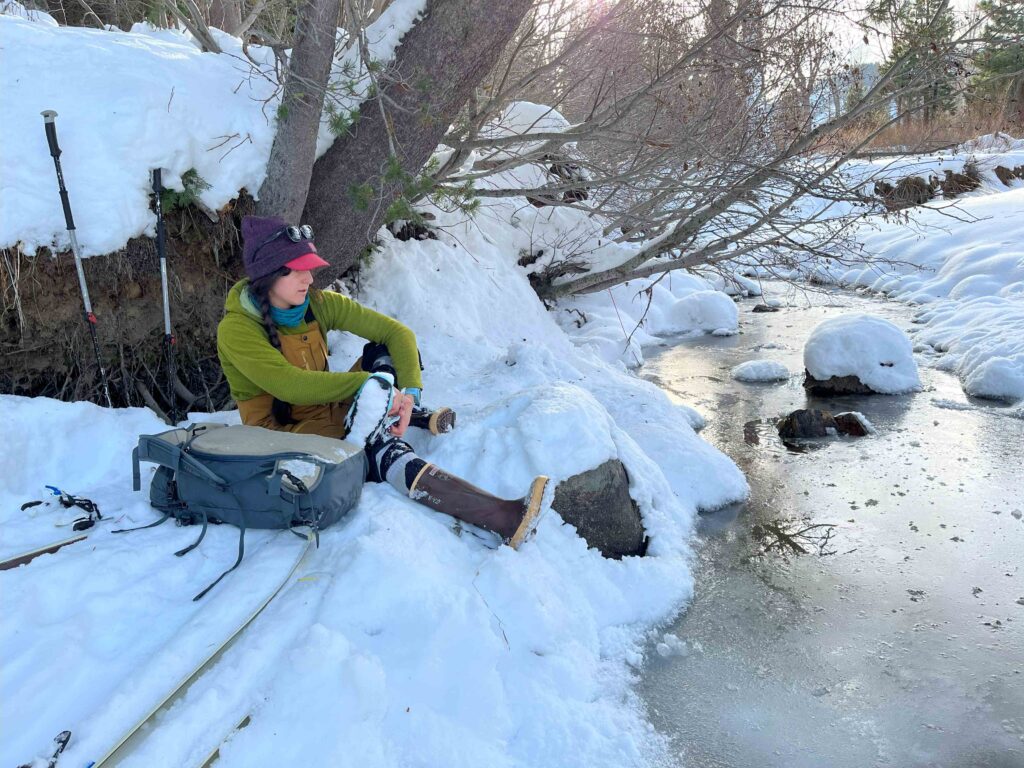
A scientist sitting in the snow next to a frozen stream.

Meet Kelly Loria 

Kelly Loria, Ph.D., is a Postdoctoral Researcher and stream ecologist who joined DRI in July 2025. She is working with Monica Arienzo, Brittany Kruger, and Mark Hausner to study the water quality impacts of the 2024 Davis Fire in southern Reno’s Washoe Lake and surrounding streams. In the following interview, Loria shares her passion for the ecology of western mountains and increasing our knowledge of Nevada landscapes.

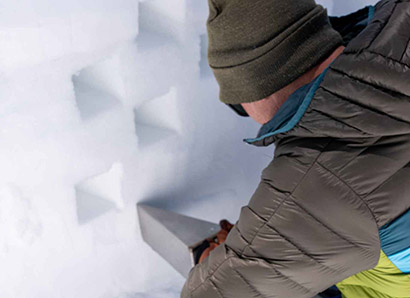
Researcher taking a snow sample from a wall of snow.

Snow Droughts, Water Scarcity and Wildfire Risk : An Interview With Climatologist Dan McEvoy 

Dan McEvoy is a climatologist with the Western Regional Climate Center at DRI. In this interview, Dr. McEvoy answers frequently asked questions about how warmer temperatures are impacting water availability and wildfire risk in the West, and what he and other DRI scientists are doing to monitor these changes. This is the first in a new series of FAQ videos with DRI researchers.

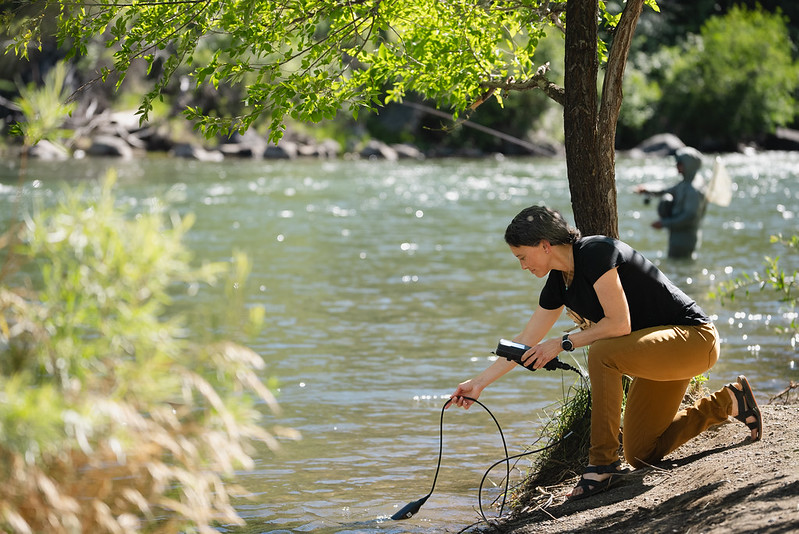
Researcher kneeling on ground holding a device into water to take a sample for analysis

DRI Launches Collaborative New Project Investigating PFAS and Microplastics for Department of Defense 

DRI’s Monica Arienzo, Director of the Microplastics and Environmental Chemistry Laboratory, was recently awarded $250,000 by the Department of Defense to investigate laundering and textile degradation as a possible source of PFAS and microplastic pollution. The one-year grant will fund laboratory studies and analysis led by Arienzo, with DRI’s Daniel Saftner and Yeongkwon Son contributing to the work. Matt Reeves of Western Michigan University is partnering with the DRI scientists for the project.  

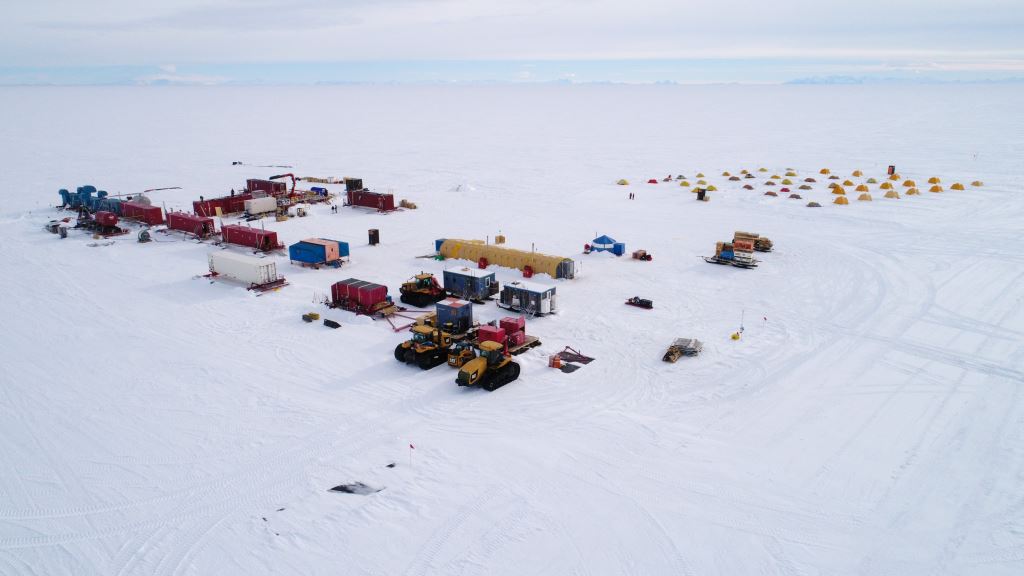
Buildings and tents in a snowy landscape

Hidden Life Beneath Antarctic Ice: Microbial Diversity and Survival Strategies Revealed in Mercer Subglacial Lake 

Hundreds of lakes exist beneath the Antarctic ice sheet, and very few have ever been explored by scientists. Now, an international research team has published their findings from an ambitious effort to drill over 1,000 meters into the ice to sample the life hidden in one known as Mercer Subglacial Lake. The project, referred to as the Subglacial Antarctic Lake Scientific Access (SALSA) project, was documented in detail for the film The Lake at the Bottom of the World.  

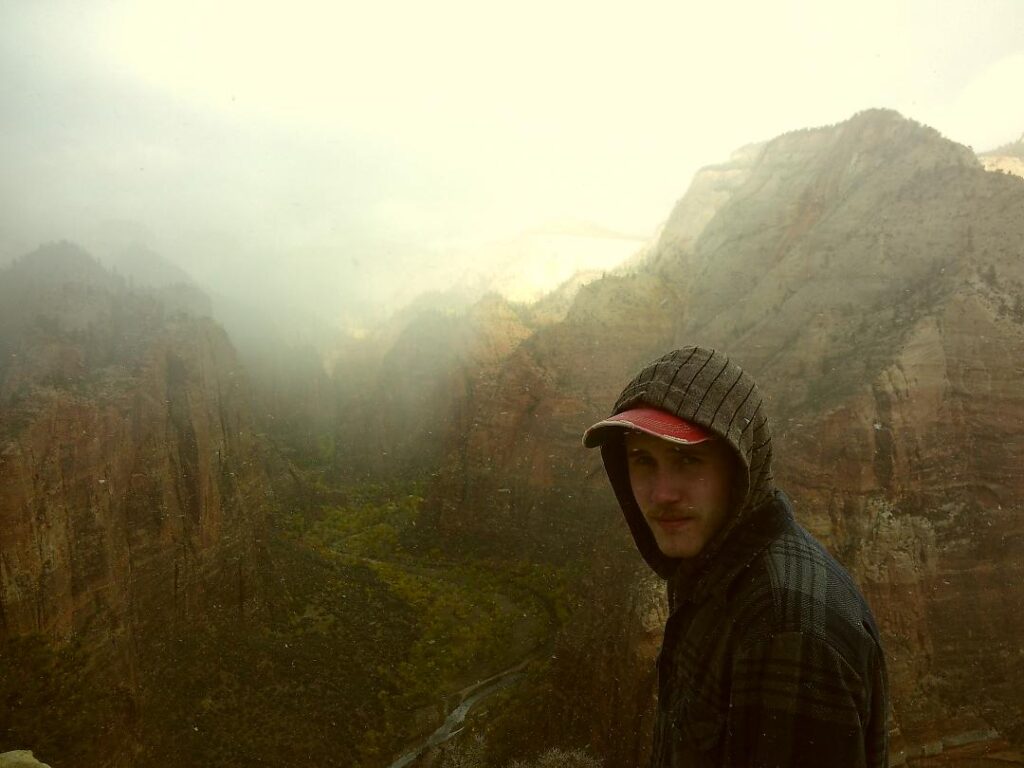
Photo of Erik overlooking the canyon at Zion National Park on a snowy day.

Meet Erik Henzl

Erik Henzl is a Staff Research Scientist and environmental economist who joined DRI in January 2025. Based at DRI’s Reno campus, he is currently focused on estimating the water and energy required to support Nevada’s rapidly expanding data centers now and into the future. In the following interview, he shares his passion for learning as a vocation and how his research will help Nevada navigate its growing role in the digital world.

DRI Contributes to Study Using AI in Wastewater Surveillance for Detection of Emerging Virus Pathogens 

DRI Microbiologist Duane Moser co-authored a new study which introduces an AI-driven approach for the rapid detection and characterization of emerging variants during wastewater surveillance. The research builds on his earlier work helping to establish wastewater monitoring as a cost-effective tool for tracking pathogens during the COVID-19 pandemic.