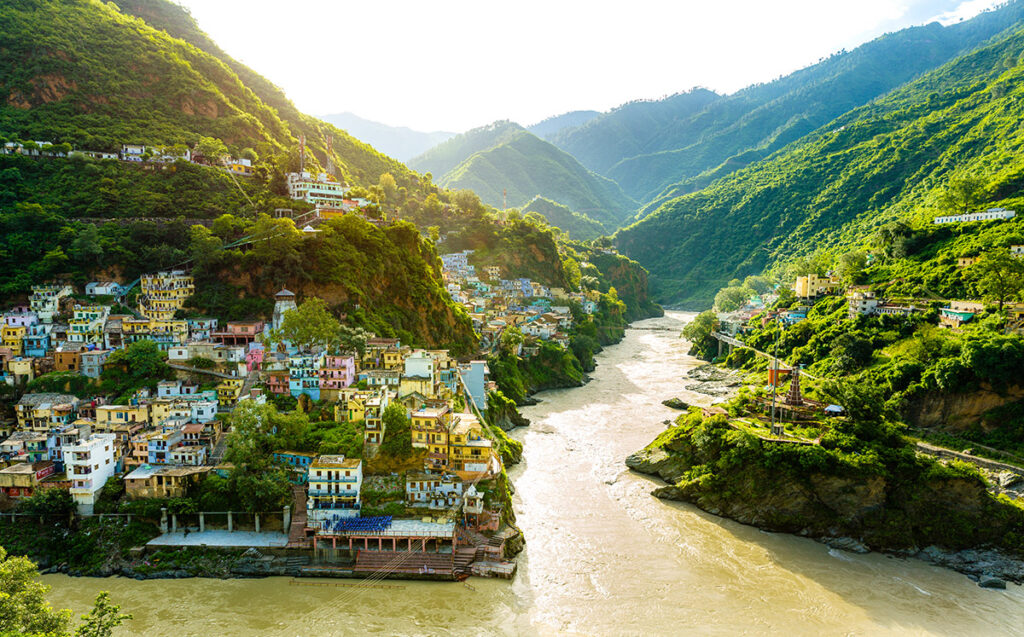
A wide, murky river cutting through a lush green valley with colorful houses on the cliff sides.

DRI’s Monty Majumdar is Working with an International Team of Researchers to Create a Digital Twin of India’s Ganges River Basin

DRI’s Sayantan (Monty) Majumdar, Assistant Research Professor of Hydrologic Science and Remote Sensing, is joining forces with an international team of researchers to create a digital twin of the entire river basin that will support decision-makers as they work to protect this critical resource. Originally hailing from the river’s fertile lands, Majumdar is now based on DRI’s Reno campus, where he contributes to a wide range of research on water management issues in the Western U.S. As a no-cost Co-Principal Investigator (similar to a volunteer consultant role) on the project, he is excited to contribute the knowledge and models developed by teams like the OpenET project and apply them to India in order to expand their reach and test their efficacy in different climates.
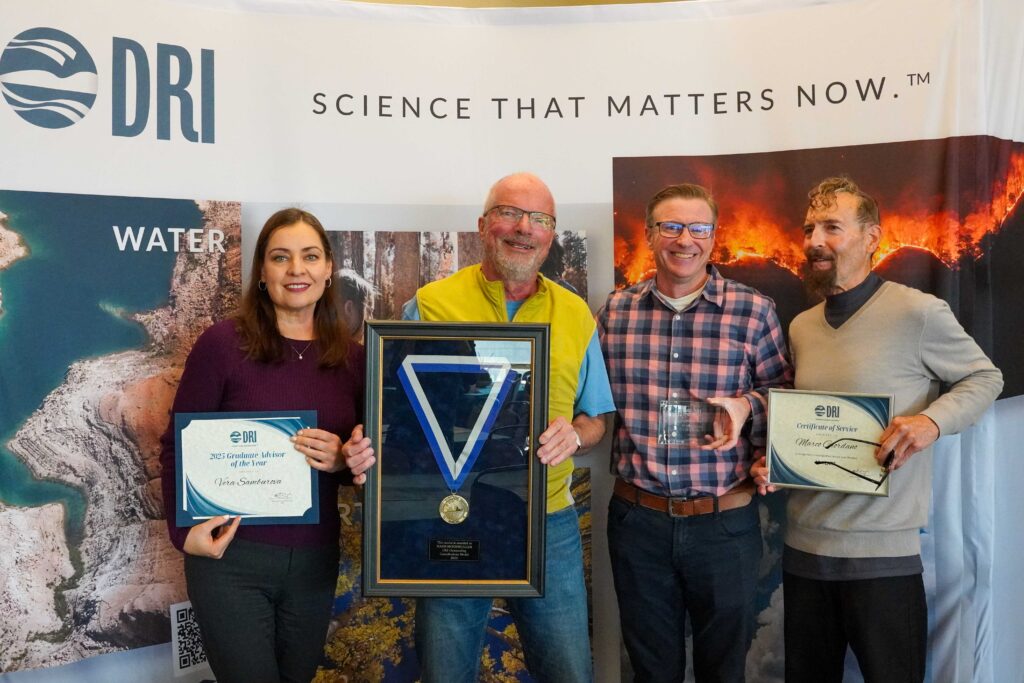
Four people holding up awards they have won.

Annual Awards Presented to DRI Faculty and Staff at 2025 Celebration of Science 

DRI’s annual awards and recognition ceremonies were held at our Reno and Las Vegas campuses in October to honor scientists and staff members for their achievements. Along with the below awardees, several faculty and staff were recognized for their long-term service to the institute. DRI prides itself on fostering a fulfilling workplace that builds internal community and inspires scientific discovery.  

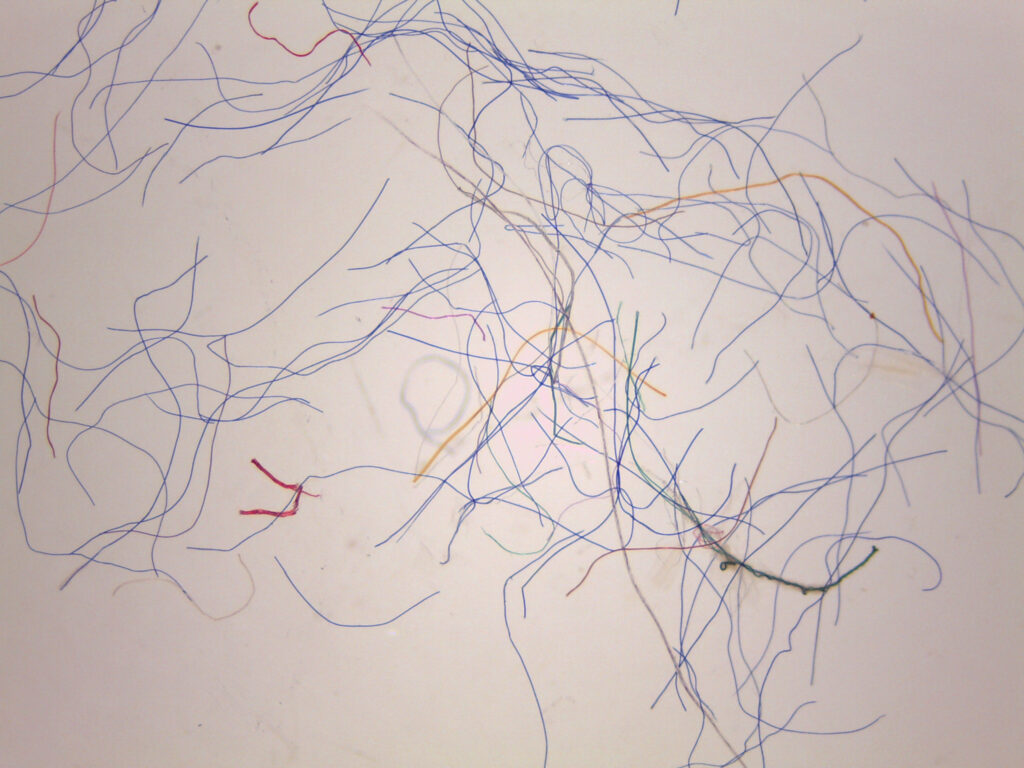
A microscope photo of colorful microfibers.

Household Dryers Are Significant Sources of Microfiber Pollution, Study Finds 

The fabrics that fill our homes, from natural cotton towels and bedsheets, to clothes produced with synthetic materials, produce microscopic fibers as they break down over time. Previous research has shown that household washers collect and release these microfibers into the environment, and now a new study uses citizen science to demonstrate how dryer vents also produce microfibers under normal household use.  

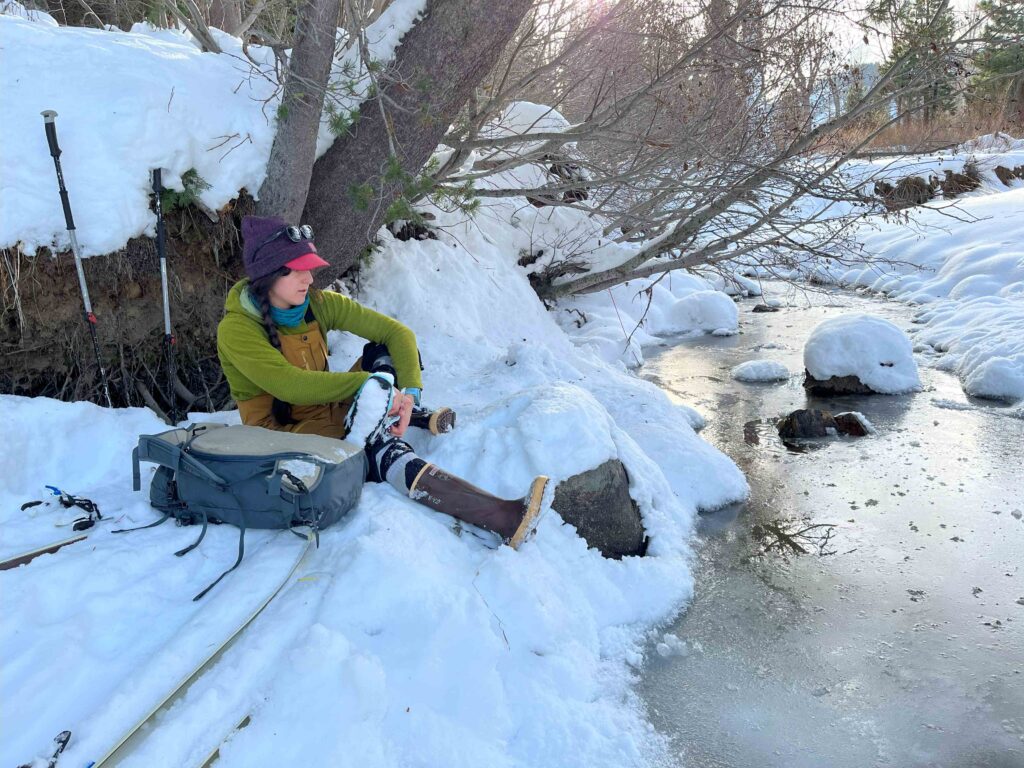
A scientist sitting in the snow next to a frozen stream.

Meet Kelly Loria 

Kelly Loria, Ph.D., is a Postdoctoral Researcher and stream ecologist who joined DRI in July 2025. She is working with Monica Arienzo, Brittany Kruger, and Mark Hausner to study the water quality impacts of the 2024 Davis Fire in southern Reno’s Washoe Lake and surrounding streams. In the following interview, Loria shares her passion for the ecology of western mountains and increasing our knowledge of Nevada landscapes.

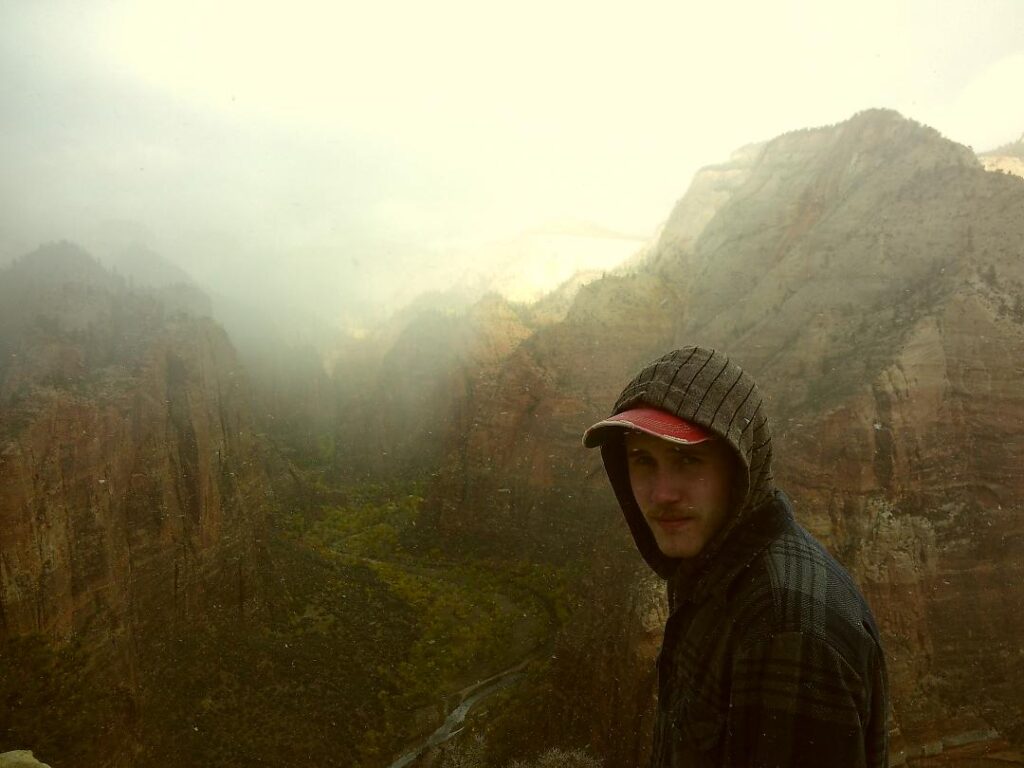
Photo of Erik overlooking the canyon at Zion National Park on a snowy day.

Meet Erik Henzl

Erik Henzl is a Staff Research Scientist and environmental economist who joined DRI in January 2025. Based at DRI’s Reno campus, he is currently focused on estimating the water and energy required to support Nevada’s rapidly expanding data centers now and into the future. In the following interview, he shares his passion for learning as a vocation and how his research will help Nevada navigate its growing role in the digital world.

DRI Contributes to Study Using AI in Wastewater Surveillance for Detection of Emerging Virus Pathogens 

DRI Microbiologist Duane Moser co-authored a new study which introduces an AI-driven approach for the rapid detection and characterization of emerging variants during wastewater surveillance. The research builds on his earlier work helping to establish wastewater monitoring as a cost-effective tool for tracking pathogens during the COVID-19 pandemic. 

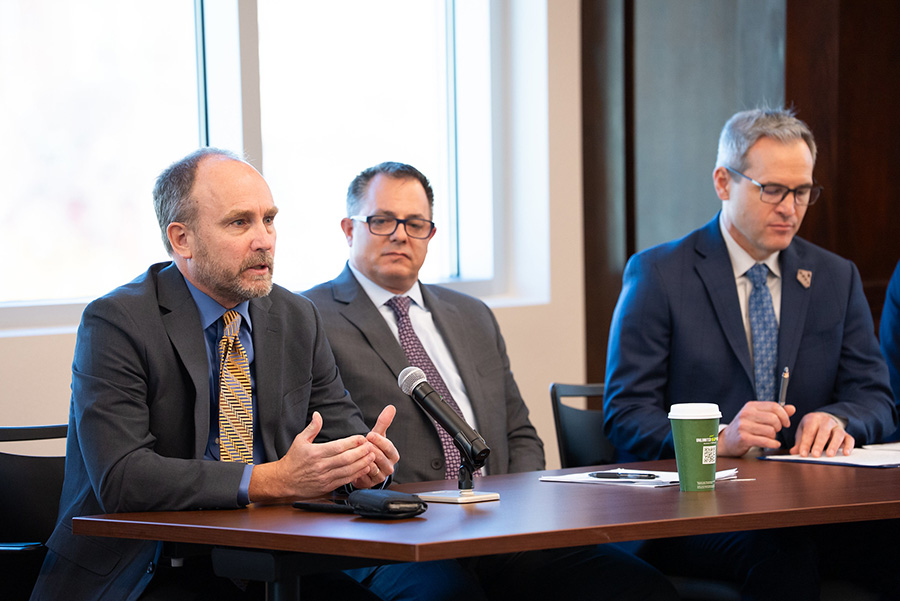
Sean McKenna speaking on a panel with two others with a microphone in front of him.

DRI Holds Water Panel at Nevada State Legislature

On March 27, DRI scientists gathered at the State Capitol to illuminate work that supports Nevada’s communities and landscape. With more than 600 scientists, engineers, students, and staff across our Reno and Las Vegas campuses, we conducted more than $52 million in sponsored research focused on improving peoples’ lives in 2024 alone.

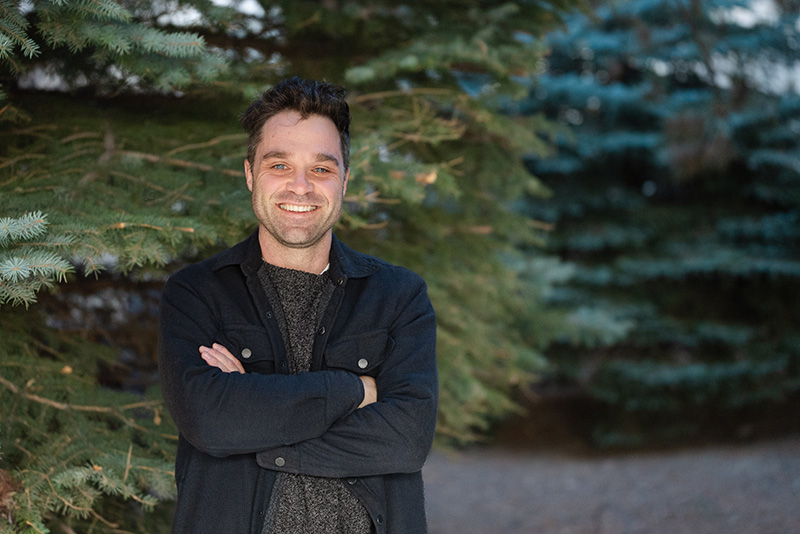
Headshot of Tyler smiling with arms crossed in front of pine trees.

Meet Tyler Doane

Tyler Doane, Ph.D., started in May 2024 as Assistant Research Professor in the Division of Hydrologic Sciences. He works remotely from Cleveland, Ohio, where his wife teaches bioethics at Case Western Reserve University’s medical school. Doane is a geomorphologist who received his Ph.D. at Vanderbilt University before completing a postdoctoral position at Indiana University, Bloomington. In the this Behind the Science interview, Doane talks about his interest in applying math to describe scientific phenomena, his interest in embracing noise and chaos to understand Earth systems, and his favorite method for coming up with new research questions.

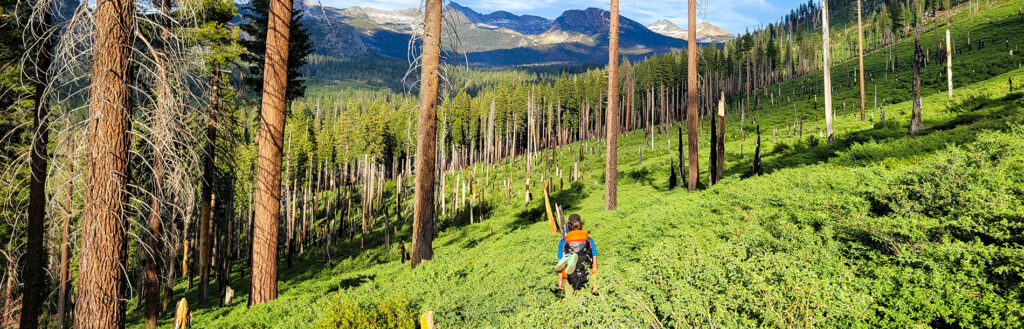
Researcher walking through Illilouette Basin with bare tree stumps left from wildfire

Tracking the Restorative Effects of Good Fire

A few miles south of Yosemite’s famed Glacier Point, ringed by striking granite domes, lies the Illilouette Basin. This small stretch of the Sierra Nevada Mountains has become a sort of fire laboratory, a place where natural wildfires have been allowed to burn since 1972. In contrast with the long-supported program of fire suppression that has dominated American forests since the late 19th century, resulting in dense and unhealthy forests, the Illilouette Basin’s story is about the benefits that natural fire can bring to the landscape.

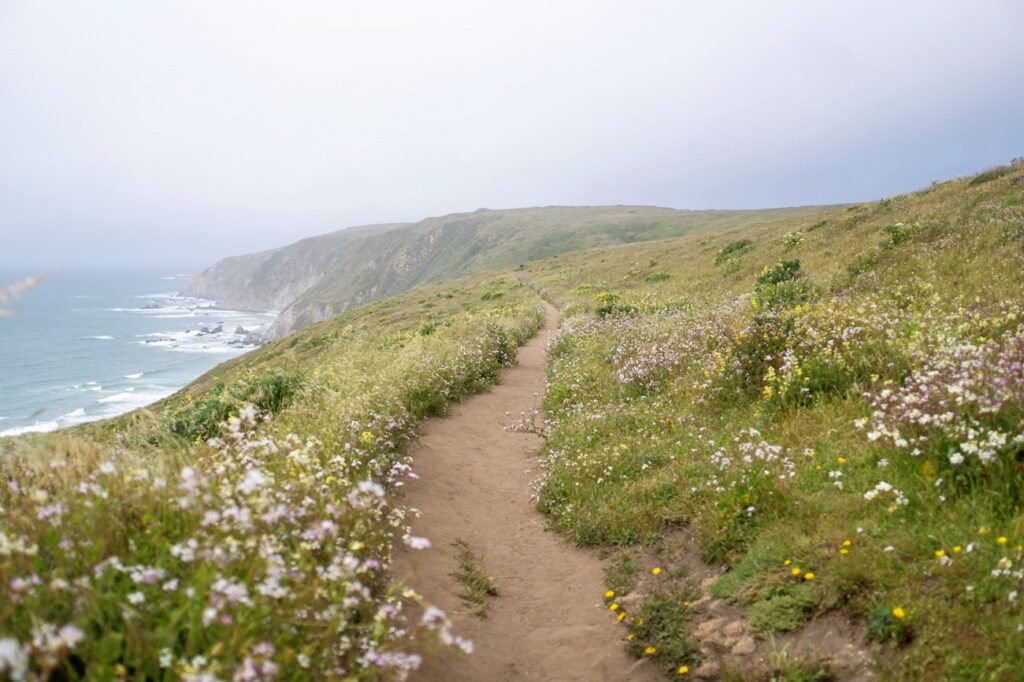
On top of a cliff overlooking the ocean at Point Reyes with a walking path and wildflowers.

Groundwater is Key to Protecting Global Ecosystems

New research identifies ecosystems around the world that could be threatened by declining groundwater levels. The research, published July 17 in Nature, is the first time that groundwater-dependent ecosystems have been mapped on a global scale. Led by scientists from The Nature Conservancy and DRI, the global effort brought researchers together from universities, non-profit organizations, and institutions from seven countries.