Indigenous Storytelling at the 2026 NV STEAM Conference

By Kelsey Fitzgerald 

Last month at the Nevada Museum of Art, a few hundred K-12 teachers from across Nevada gathered on a Saturday morning to contemplate STEAM—the idea that students’ understanding of STEM (science, technology, engineering and mathematics) can be complemented and strengthened by incorporating the arts. The 2026 NV STEAM Conference, cohosted by the Desert Research Institute (DRI), also included a Friday night open house at the DRI campus.

As part of the conference, the Native Resilience project led two sessions titled “Storytelling for Resilience: Bridging Indigenous Knowledge and Climate Science,” highlighting how our project uses storytelling to spread awareness about climate-related challenges and resilience in Indigenous communities. Native Resilience team members shared information about our resilience reporters program, as well as story examples, hands-on activities, and supporting K-12 educational curriculum from Native Resilience’s teaching resources and DRI’s Green Box Program.

Presenters from the Native Resilience team included Program Director Maureen McCarthy, Resilience Reporter Mary Wilson, Communication Coordinator Kelsey Fitzgerald, and Educational Engagement Coordinator Ileah Kirchoff. Other speakers included DRI STEM Education Specialist Cara Schaefer, artist Oscar Tuazon, and representatives from the Nevada Museum of Art.
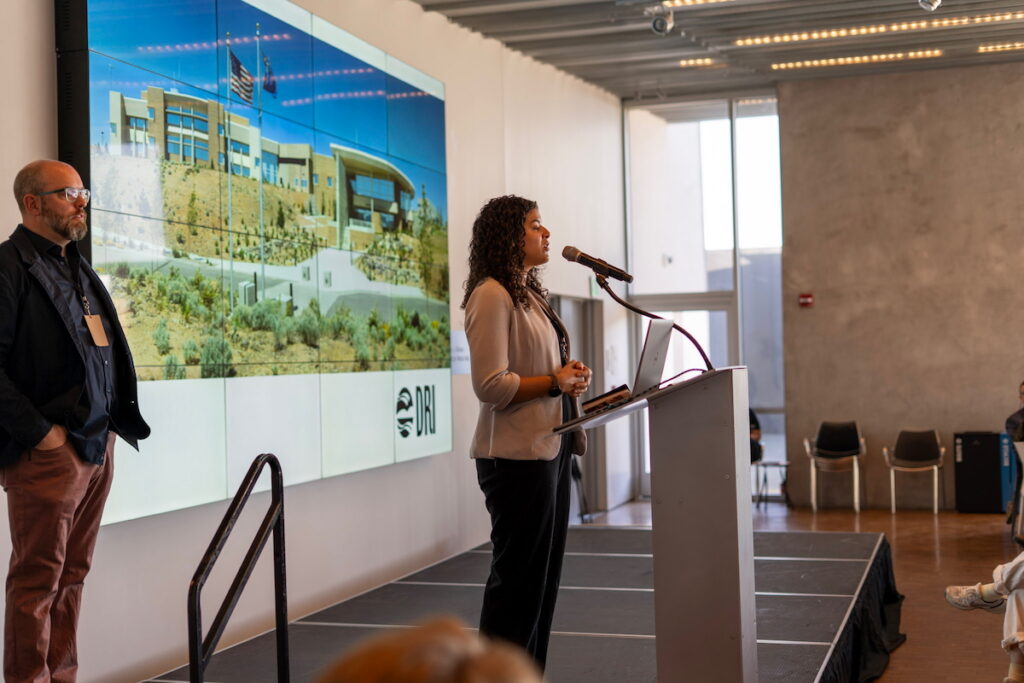
Woman standing on a stage speaking at a podium.
Emily McDonald-Williams, Director of STEM Education program at DRI, welcomes educators to the 2026 NV STEAM Conference.
Credit: Tsvetelina Stefanova/DRI
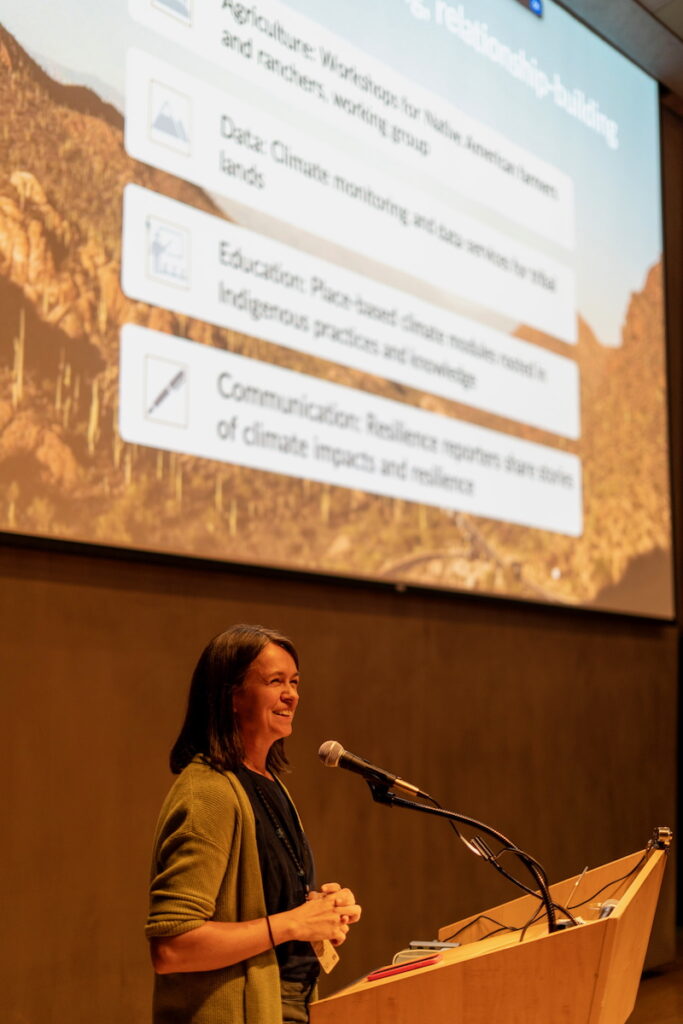
Kelsey Fitzgerald speaking at a podium.
Native Resilience Communication Coordinator Kelsey Fitzgerald introduces the Native Resilience project at the 2026 NV STEAM conference.
Credit: Tsvetelina Stefanova/DRI
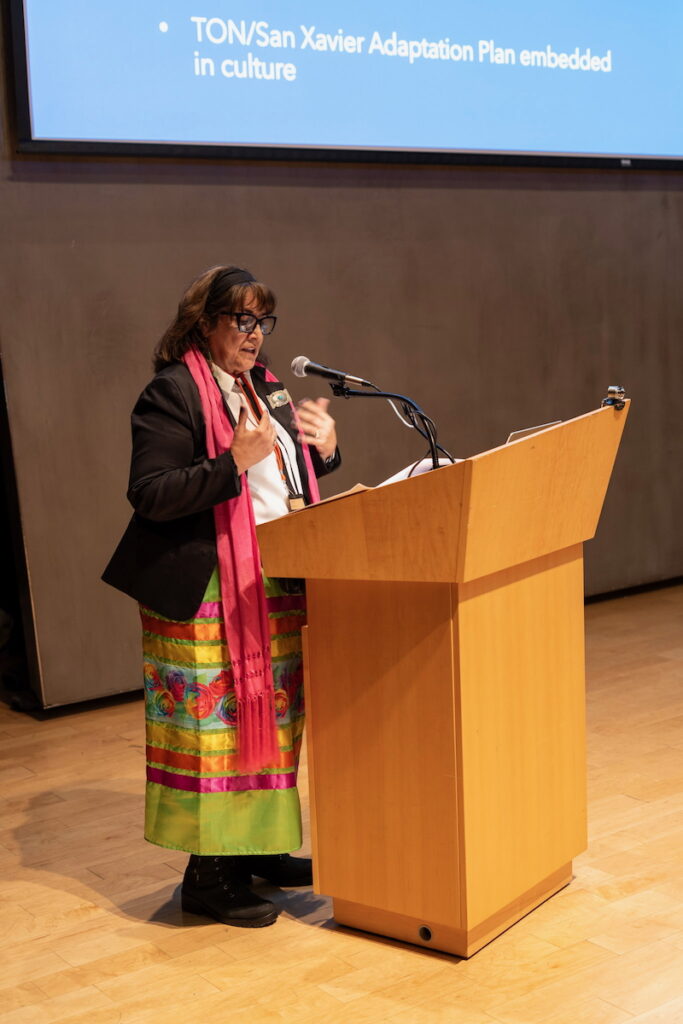
Mary C. Wilson speaking at a podium.
Native Resilience Reporter Mary C. Wilson presents at the 2026 NV STEAM conference.
Credit: Tsvetelina Stefanova/DRI
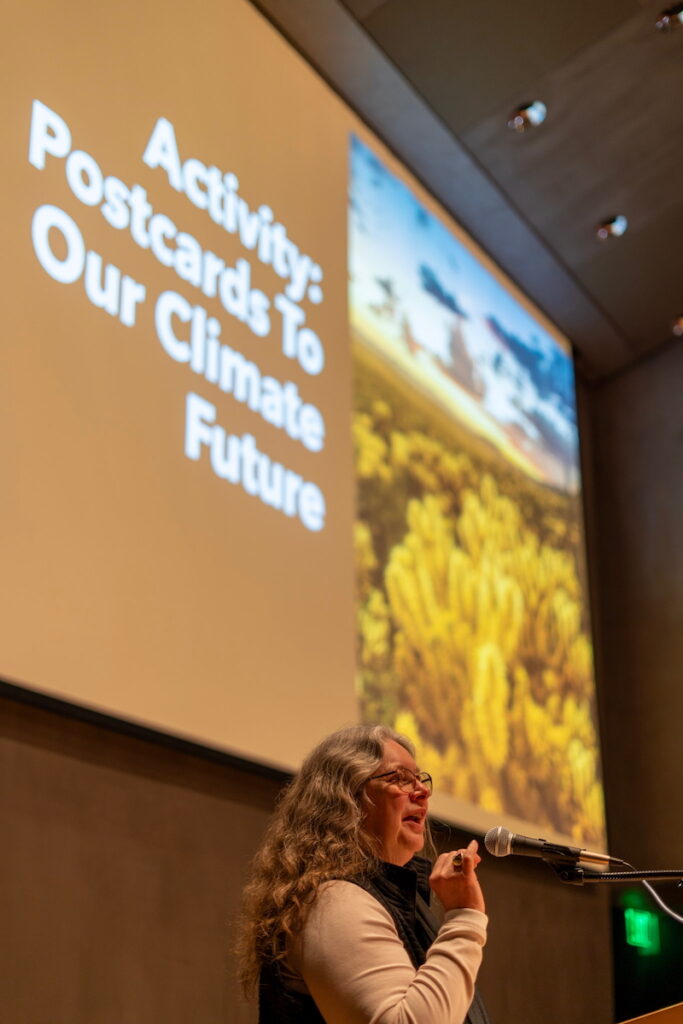
Maureen McCarthy speaking at a podium.
Native Resilience Program Director Maureen McCarthy leads the “Postcards to our Climate Future” activity during the 2026 NV STEAM conference.
Credit: Tsvetelina Stefanova/DRI
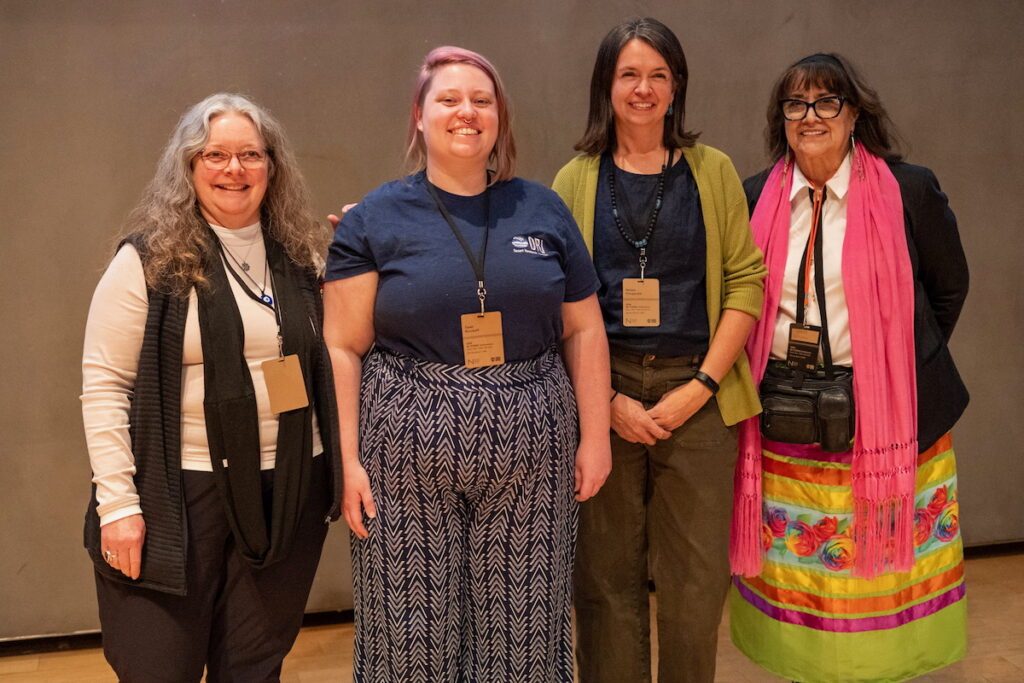
Four women standing next to each other posing for a photo.
Native Resilience team members (L to R) Maureen McCarthy, Ileah Kirchoff, Kelsey Fitzgerald, and Mary C. Wilson.
Credit: Tsvetelina Stefanova/DRI

You May Also Like…

Bringing Wildfire Science Into the 21st Century 

Bringing Wildfire Science Into the 21st Century 

The Harnessing the Data Revolution for Fire Science project is bringing researchers from DRI, UNR, and UNLV together to tackle dozens of questions about wildfires — from the impacts on air quality and hydrology to the way that plants and soils recover from burns. The project is treating wildfire as a continuum rather than as a single event, linking together the landscape and climate conditions that exist before the fire, the physical and chemical processes happening during the active burn, and the way the ecosystem responds and recovers.

DRI’s Monty Majumdar is Working with an International Team of Researchers to Create a Digital Twin of India’s Ganges River Basin

DRI’s Monty Majumdar is Working with an International Team of Researchers to Create a Digital Twin of India’s Ganges River Basin

DRI’s Sayantan (Monty) Majumdar, Assistant Research Professor of Hydrologic Science and Remote Sensing, is joining forces with an international team of researchers to create a digital twin of the entire river basin that will support decision-makers as they work to protect this critical resource. Originally hailing from the river’s fertile lands, Majumdar is now based on DRI’s Reno campus, where he contributes to a wide range of research on water management issues in the Western U.S. As a no-cost Co-Principal Investigator (similar to a volunteer consultant role) on the project, he is excited to contribute the knowledge and models developed by teams like the OpenET project and apply them to India in order to expand their reach and test their efficacy in different climates.

Preparing Communities for the Future of Wildfire 

Preparing Communities for the Future of Wildfire 

Last year saw DRI’s inaugural global initiative aimed at advancing community resilience and adaptability in the face of rapid global change – AWE+, for an Adaptable World Environment. The event brought together hundreds of scientific experts, policymakers, resource managers, and other stakeholders to discuss ways to strengthen our communities against the growing threat of wildfires. To maintain momentum on the topic and continue building relationships that advance resilience, DRI’s 2025 AWE+ event sought to build on these conversations, again focusing on wildfire and bringing experts together from across the nation.

Share This