An Invisible Natural Disaster
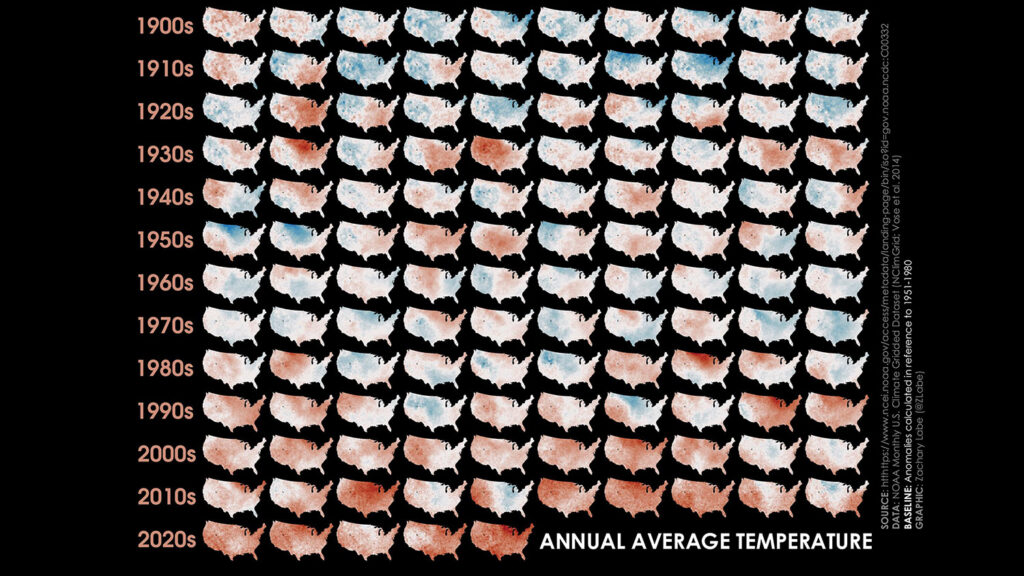
Earth is hotter than it has been in 125,000 years, and DRI scientists are striving to uncover the impacts of a warmer atmosphere.
Erik Henzl is a Staff Research Scientist and environmental economist who joined DRI in January 2025. Based at DRI’s Reno campus, he is currently focused on estimating the water and energy required to support Nevada’s rapidly expanding data centers now and into the future. In the following interview, he shares his passion for learning as a vocation and how his research will help Nevada navigate its growing role in the digital world.
DRI Microbiologist Duane Moser co-authored a new study which introduces an AI-driven approach for the rapid detection and characterization of emerging variants during wastewater surveillance. The research builds on his earlier work helping to establish wastewater monitoring as a cost-effective tool for tracking pathogens during the COVID-19 pandemic.
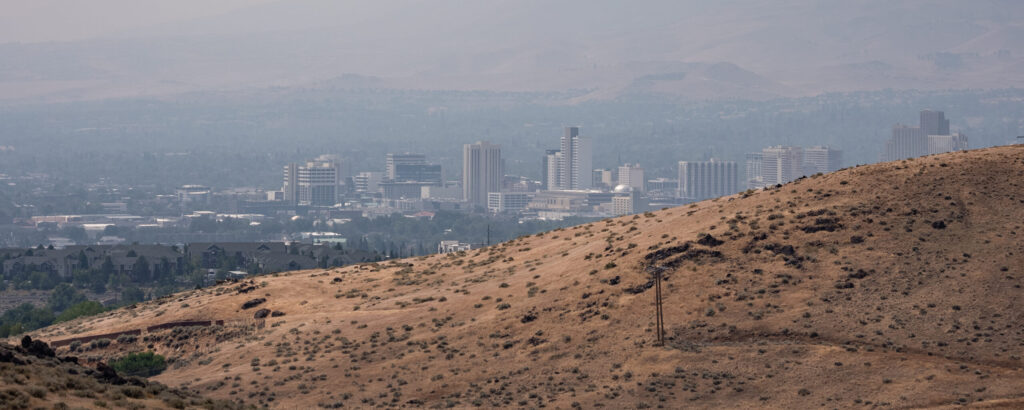
DRI and Northern Nevada Public Health are recruiting Washoe County community members for a research project examining heat and air quality impacts on household health. Participants should be 18 or older and live in Washoe County.
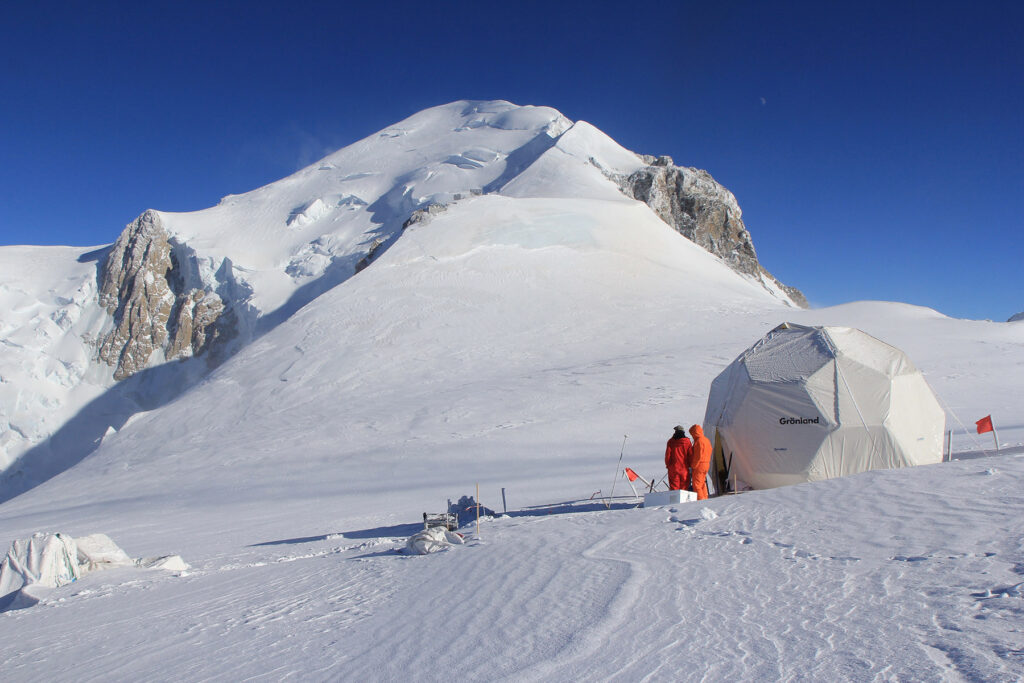
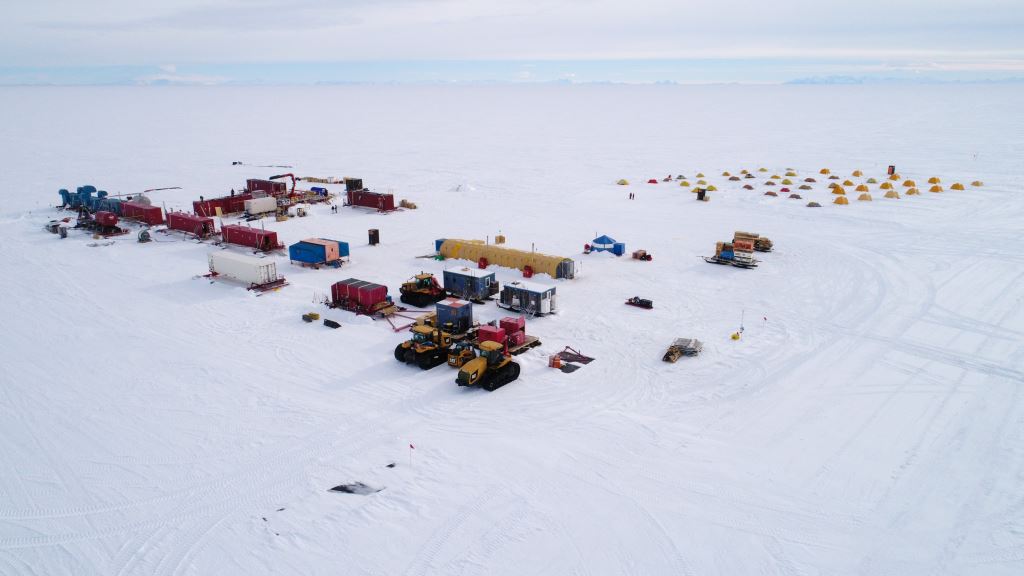
The new study, published in the June issue of PNAS Nexus, examines a 40-meter long ice core from Mont Blanc’s Dôme du Goûter. Using radiocarbon dating techniques, the research team found that the glacier provides an intact record of aerosols and climate dating back at least 12,000 years. Aerosols are small droplets and particles in the air such as desert dust, sea salts, sulfur from volcanic eruptions, soot from forest fires, as well as pollutants and other emissions from human activities.
Earth is hotter than it has been in 125,000 years, scientists say, and Las Vegas continues to break temperature records. Planting and preserving the city’s street trees is one method that brings many benefits, from the cool air of their shade to their ability to store carbon. Now, a new study takes a deeper look at just how much trees can offer Sin City, as well as the water tradeoffs inherent in growing trees in a desert.
The question of whether Earth is alone in harboring life has captivated humanity for millennia. In recent years, scientists have turned to Earth-like planets in other solar systems that may show the most promise, but many revolve around stars that emit much stronger solar radiation than our own. Now, a new study offers evidence that life as we know it may be able to thrive on those Earth-like exoplanets.
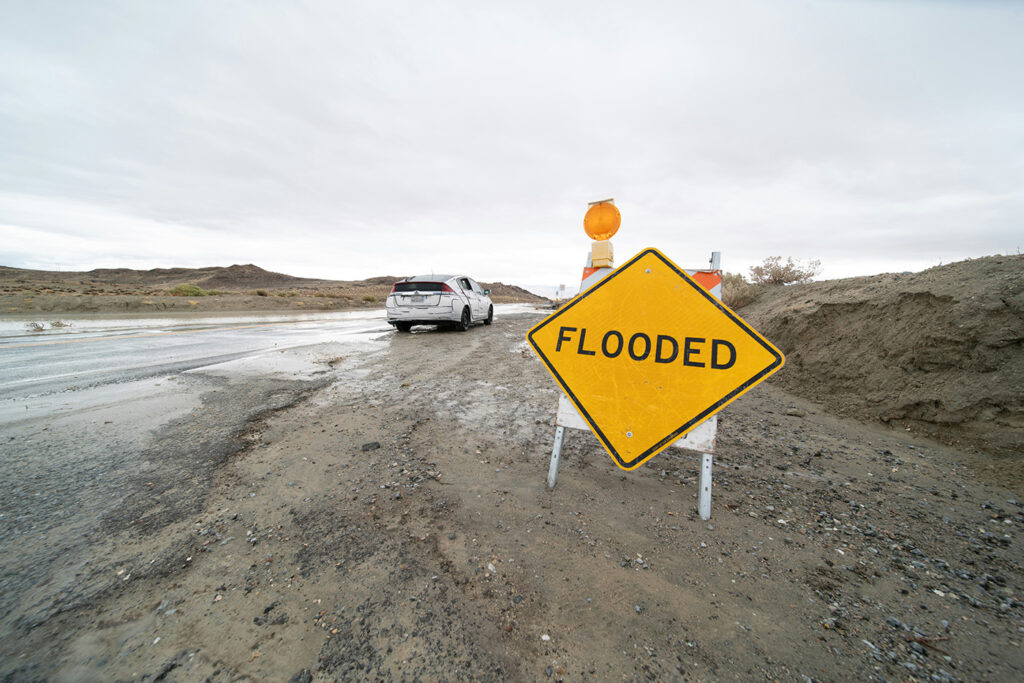
A new study examined decades of atmospheric river storms across the West Coast to pinpoint the conditions that lead to catastrophic flooding. The research, published June 4 in the Journal of Hydrometeorology, analyzed more than 43,000 atmospheric river storms across 122 watersheds on the West Coast between 1980 and 2023.
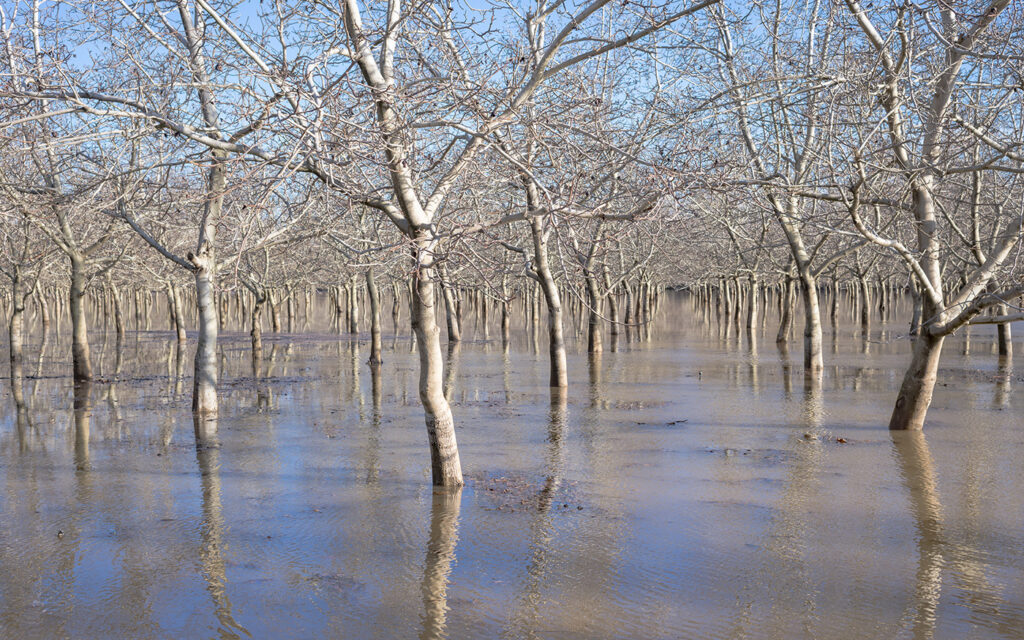
The research used satellite imagery to identify where winter flooding occurs, which can improve flood risk awareness and inform how to best redirect floodwaters to replenish groundwater supplies.
DRI’s Rosemary Carroll, Research Professor of Hydrology, co-authored a new study that found spring runoff in mountains across the Western U.S. is much older than previously known. Using advanced dating techniques, the research discovered that melting mountain snowpacks first replenish groundwater reserves before filling springs several years later. This means that the water relied on by communities across the West takes over five years from snowflake to streamflow. The research has implications for water management and our understanding of the changing dynamics of water availability.