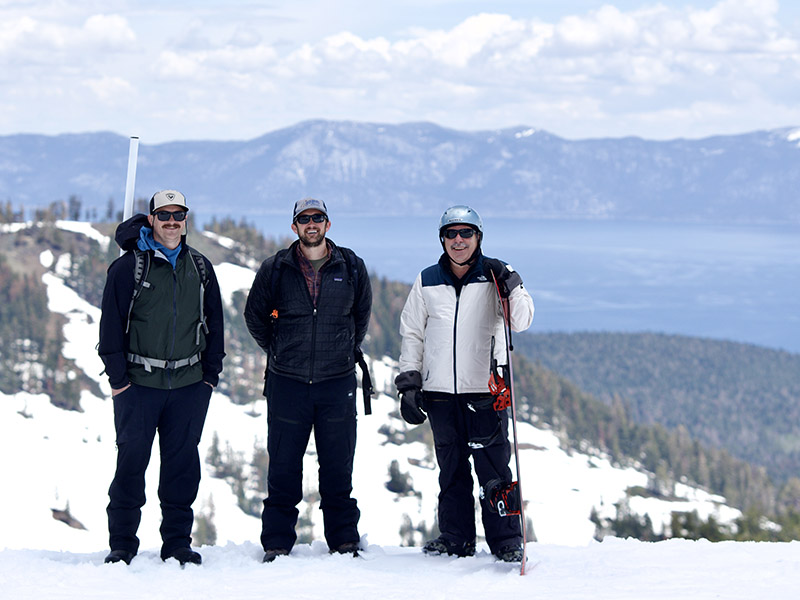
Three men in winter gear and snow board on a peak overlooking the water of Lake Tahoe.

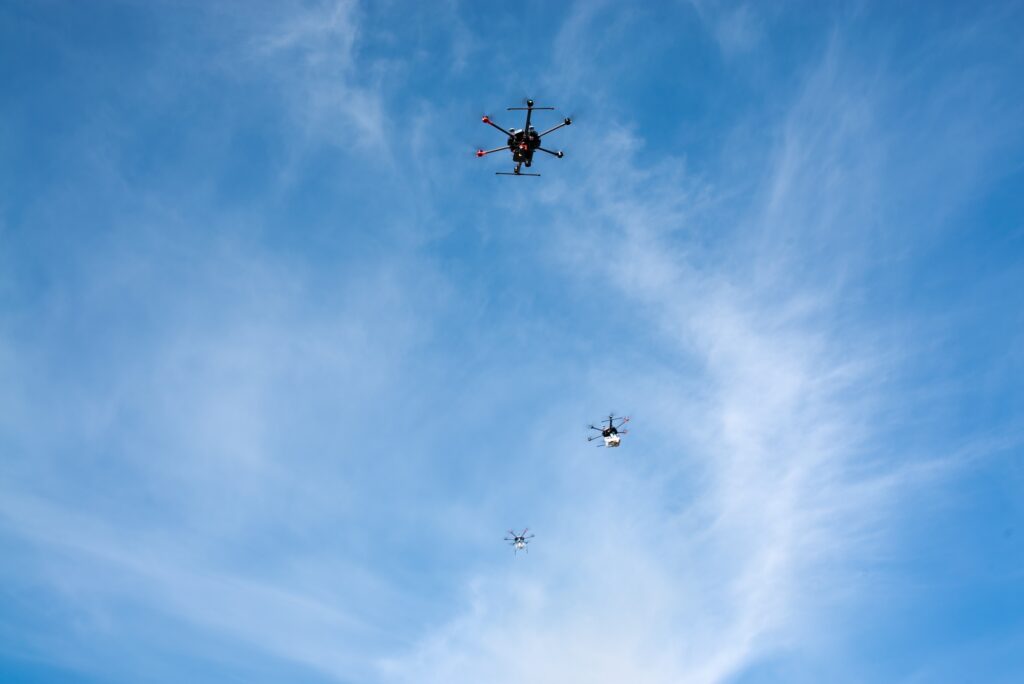
Cloud Seeding for Local Precipitation Enhancement: An Interview With Atmospheric Scientist Frank McDonough

Frank McDonough is a research and forecast meteorologist who leads DRI’s cloud seeding program. His research interests span cloud physics, aviation icing forecasting, and precipitation enhancement.

In this interview, Dr. McDonough answers frequently asked questions about how cloud seeding works and what makes DRI’s program unique. This is the second in a new series of FAQ videos with DRI researchers.

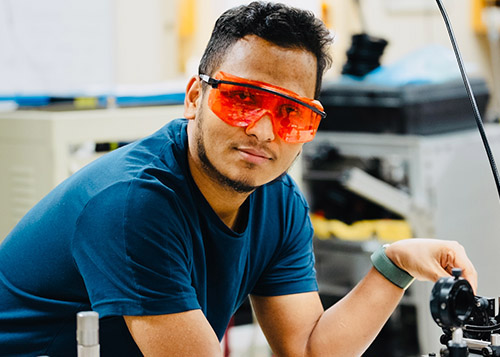
Prakash Gautam in the lab working with equipment and wearing protective eye covering.

Meet Prakash Gautam 

Prakash Gautam, Ph.D., is an Assistant Research Professor in the Division of Atmospheric Sciences and the Director of DRI’s Optics Lab: “Gautam Laboratory for Advanced Aerosol Dynamics and Light Scattering Research.” He has been with DRI since August 1, 2022, when he first joined as a Postdoctoral Researcher. Gautam also serves as Graduate Faculty in the Physics and Atmospheric Sciences departments at the University of Nevada, Reno (UNR), where he contributes graduate teaching, mentorship, and research collaboration. His work seeks to understand how atmospheric particles interact with light in order to better understand atmospheric components. 

In the following interview, Gautam shares his dual passions for physics and tennis and offers insight on creating a successful career in science.

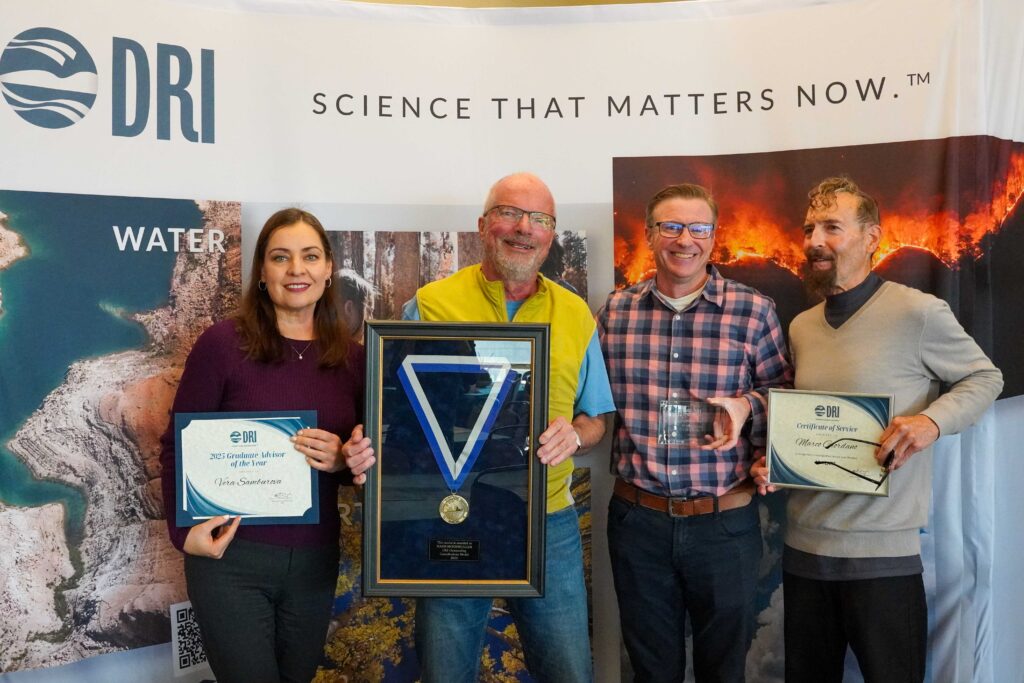
Four people holding up awards they have won.

Annual Awards Presented to DRI Faculty and Staff at 2025 Celebration of Science 

DRI’s annual awards and recognition ceremonies were held at our Reno and Las Vegas campuses in October to honor scientists and staff members for their achievements. Along with the below awardees, several faculty and staff were recognized for their long-term service to the institute. DRI prides itself on fostering a fulfilling workplace that builds internal community and inspires scientific discovery.  

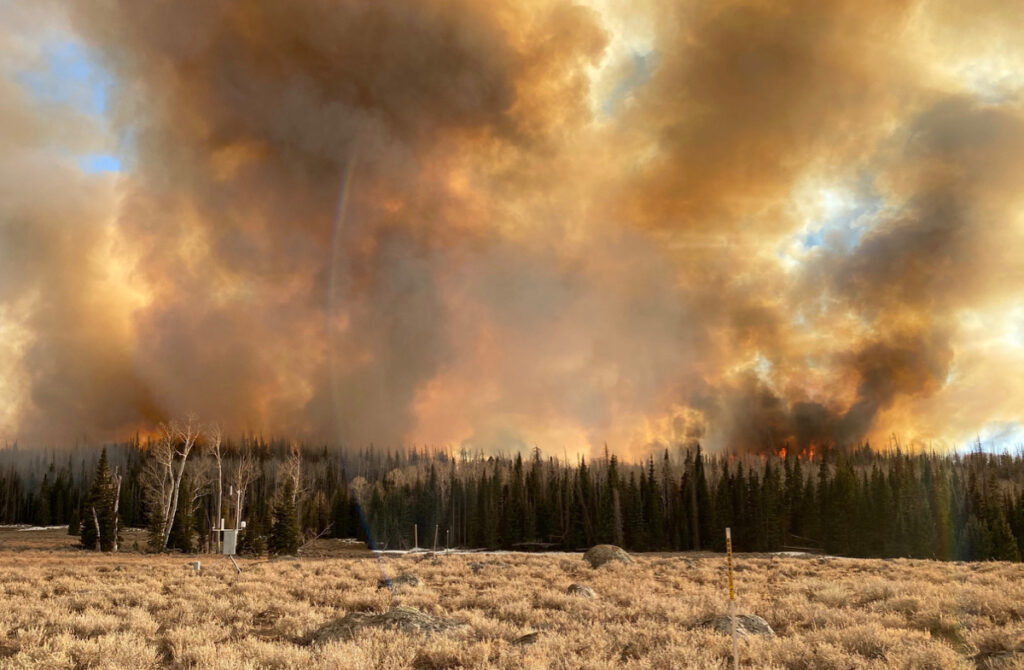
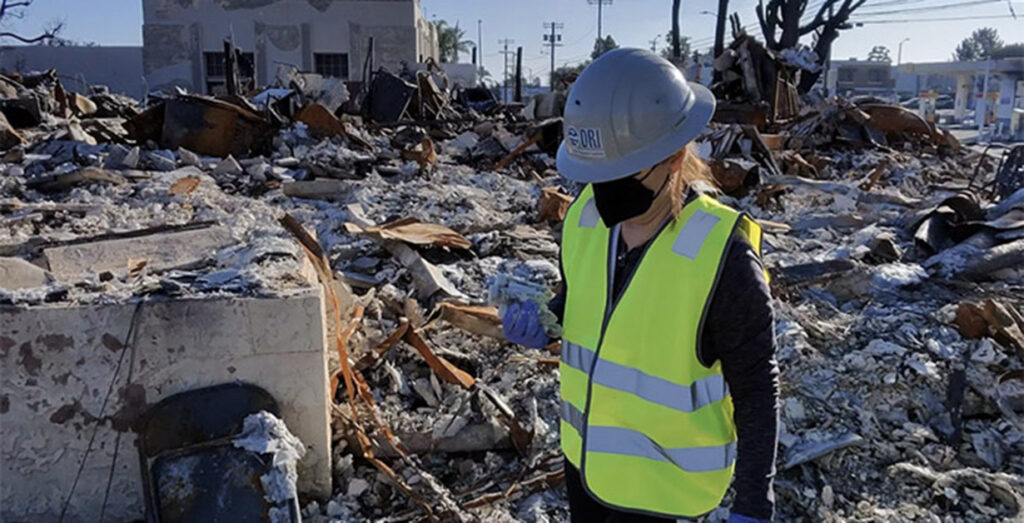
smoke coming from a burning forest

Preparing Communities for the Future of Wildfire 

Last year saw DRI’s inaugural global initiative aimed at advancing community resilience and adaptability in the face of rapid global change – AWE+, for an Adaptable World Environment. The event brought together hundreds of scientific experts, policymakers, resource managers, and other stakeholders to discuss ways to strengthen our communities against the growing threat of wildfires. To maintain momentum on the topic and continue building relationships that advance resilience, DRI’s 2025 AWE+ event sought to build on these conversations, again focusing on wildfire and bringing experts together from across the nation.

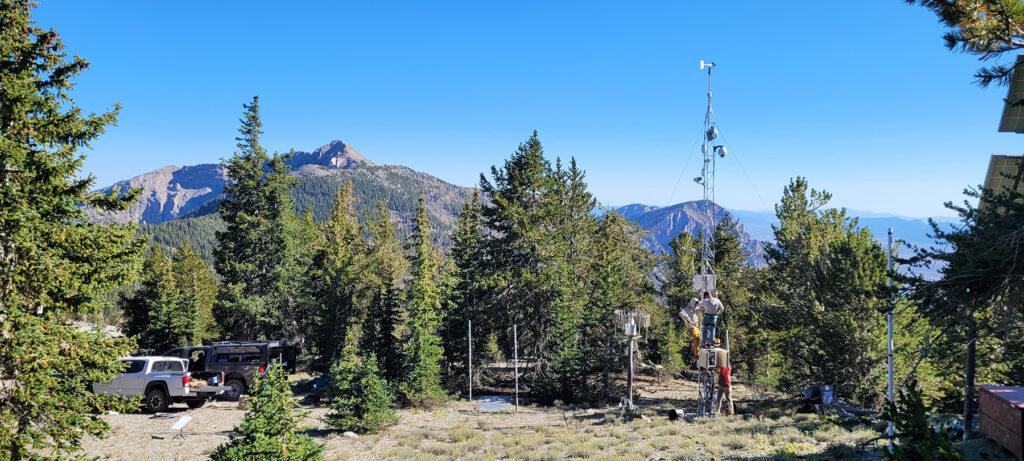
View from the top of a mountain where a DRI truck is parked and researchers are working on a weather station and surrounded by pine trees.

Long Science in the Nevada Bristlecone Preserve

Ancient bristlecone pines have been collecting data for us for millennia. Anne Heggli's research aims to provide a nearly microscopic look at how the climate in the Great Basin is changing, from hour to hour and season to season. With scientific monitoring equipment positioned from the floor of the Great Basin’s Spring Valley up to the peak of Mount Washington, her project examines temperature fluctuations, atmospheric information, and snowpack insights across the region’s ecosystems.

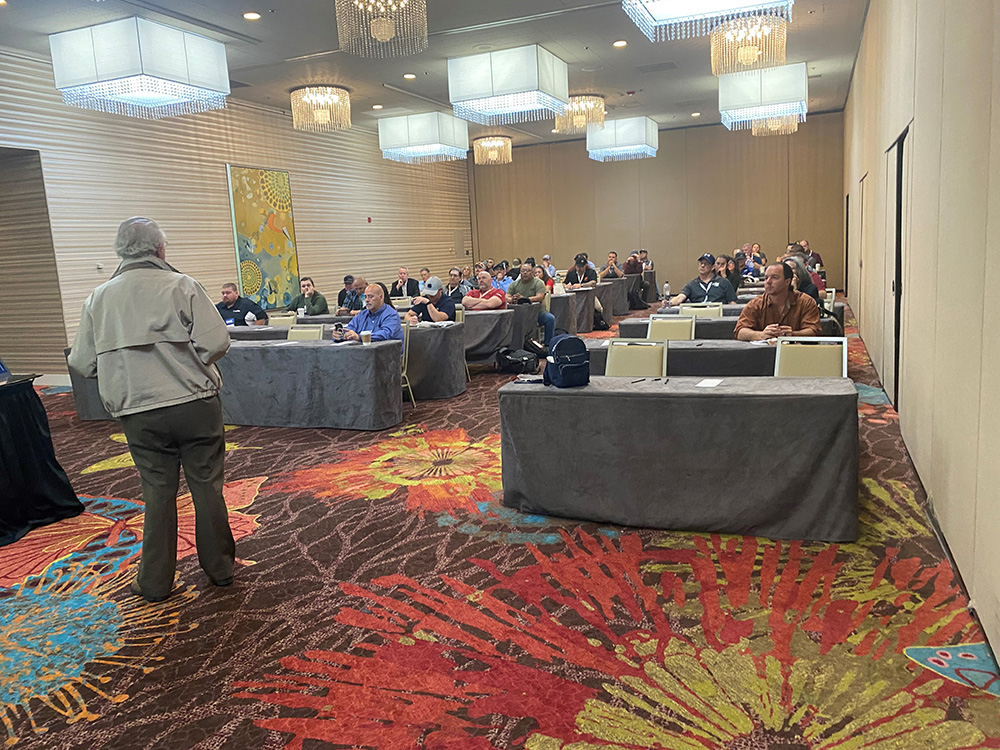
A presenter stands at the front of a conference room with attendees sitting at tables.

DRI Scientists Work to Protect Miner Health and Safety Across Nevada

To help protect miners and assist mine managers in reducing hazardous exposures, DRI scientists Xiaoliang Wang, Judy Chow, and John Watson are conducting free trainings to raise awareness about health risks and effective protection methods. Data from the Mine Safety and Health Administration (MSHA) show that as much as 27% of miners are overexposed to air contaminants.

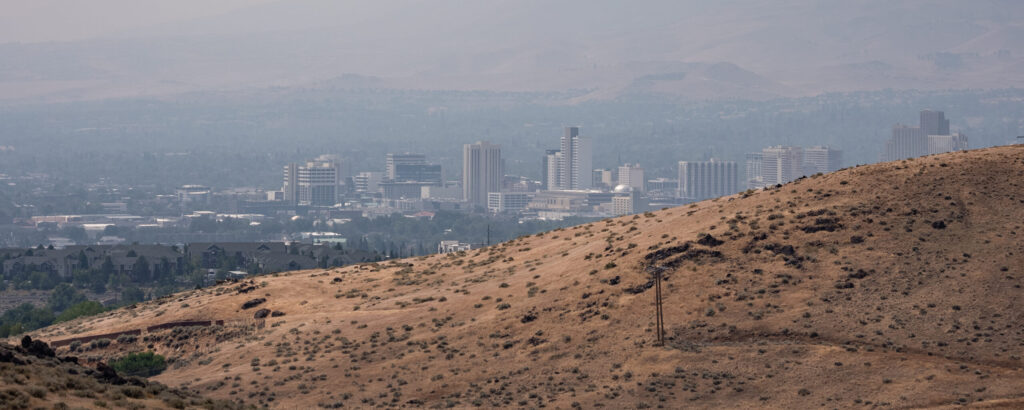
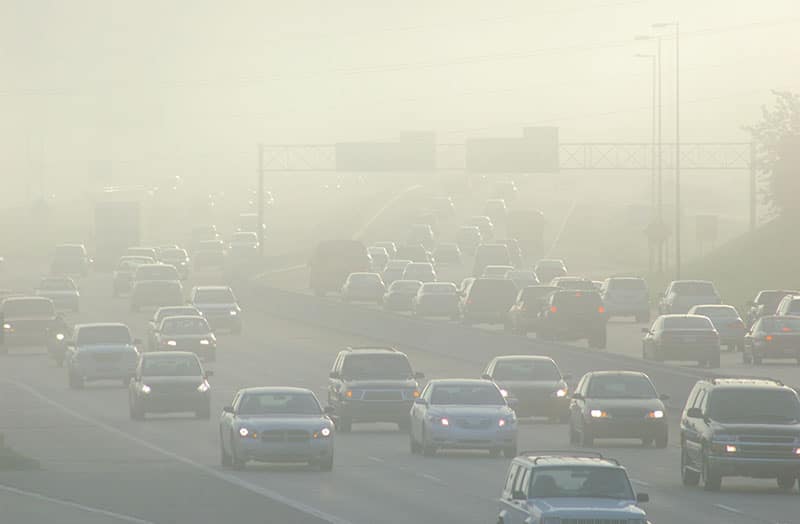
Thick smog hovers over a highway during rush hour traffic.

Regional, Racial, and Economic Disparities in Cancer Risk from Air Pollution Exposure Persist, But Improving, New Research Suggests 

Researchers from DRI and UNR teamed up for this new study, published October in Environmental Science & Technology. Using sociodemographic data from the U.S. Census Bureau and public health and air pollution information from the EPA between 2011 and 2019, the study identified higher estimated cancer risk tied to air toxics in urban communities, those with lower incomes, and those with higher proportions of racial minorities. 

Headshot of Patrick wearing a tie and collared shirt and smiling with arms crossed in a brightly lit hallway full of plants.

Meet Patrick Hurbain

Patrick Hurbain, Ph.D., is an environmental epidemiologist working with Judy Chow, John Watson, and Xiaoliang Wang in the Environmental Analysis Facility. In the following interview, Hurbain discusses how his childhood in Stead influenced his career trajectory, his new study published in Environmental Science & Technology, and his hopes for bringing the chili cook-off back to DRI.