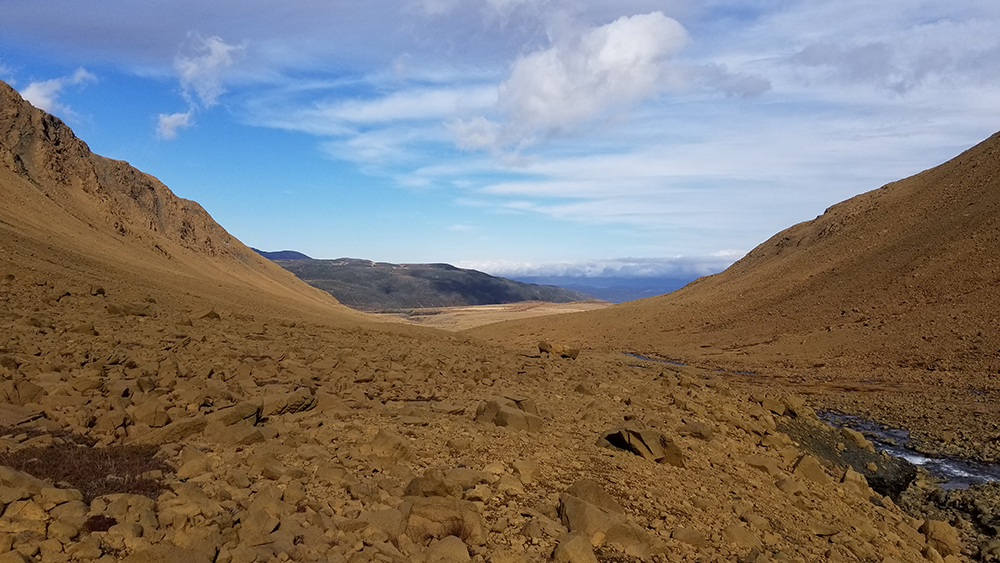

View of mountainous and grassland landscape.

New Study Offers a Glimpse Into 230,000 Years of Climate and Landscape Shifts in the Southwest

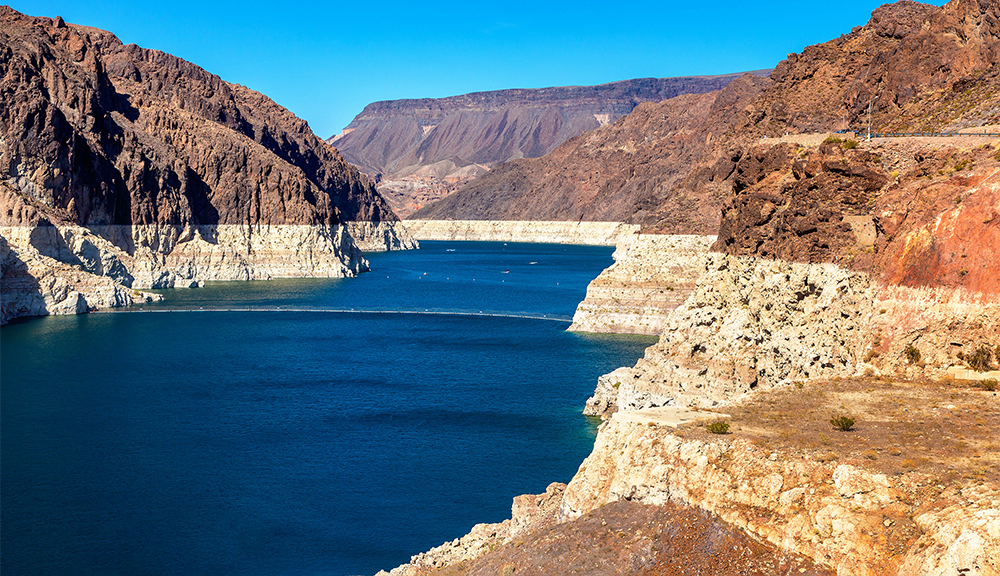
Atmospheric dust plays an important role in the way Earth absorbs and reflects sunlight, impacting the global climate, cloud formation, and precipitation. Much of this dust comes from the continuous reshaping of Earth’s surface through the erosion of rocks and sediments, and understanding how this process has shaped landscapes can help us decipher our planet’s history – and its future. Although an ephemeral phenomenon by nature, dust emissions through time can be depicted through natural archives like lake sediment cores. In a new study, scientists examine one such record to peer 230,000 years into the past of the American Southwest.

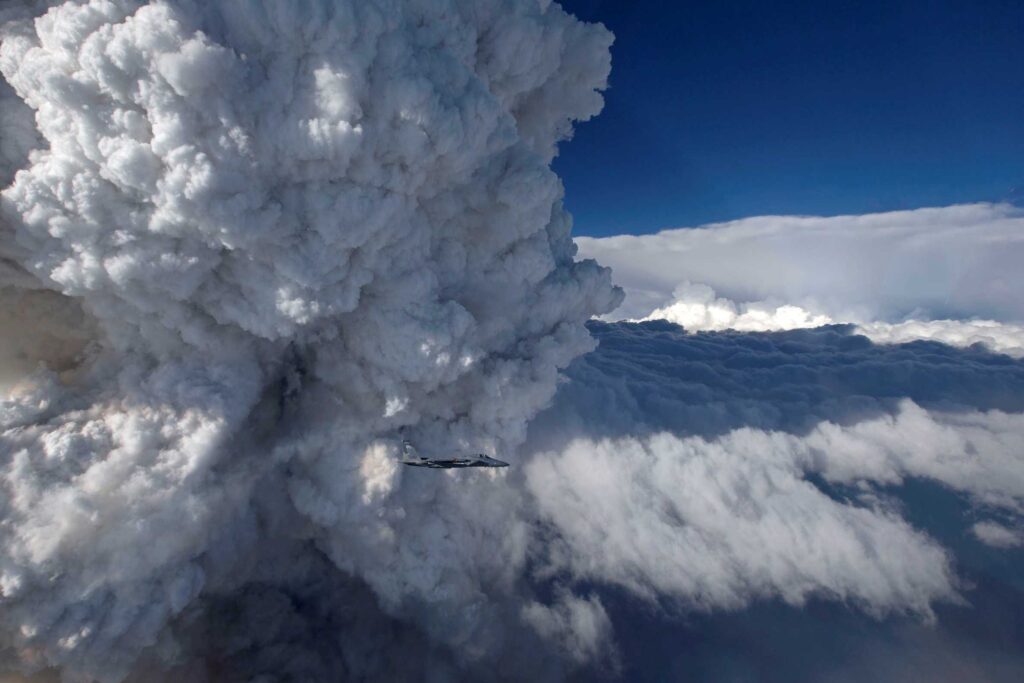
Plane in front of very large clouds.

Scientists Successfully Recreate Wildfire-Induced Thunderstorms in Earth System Models for the First Time

The breakthrough enhances scientific understanding of the dangerous storms and their long-term impacts on the climate. The research, published September 25th in Geophysical Research Letters, represents the first successful simulation of these wildfire-induced storms, known as pyrocumulonimbus clouds, within an Earth system model. Led by DRI scientist Ziming Ke, the study successfully reproduced the observed timing, height, and strength of the Creek Fire’s thunderhead – one of the largest known pyrocumulonimbus clouds seen in the U.S., according to NASA.

Researcher taking a snow sample from a wall of snow.

Snow Droughts, Water Scarcity and Wildfire Risk : An Interview With Climatologist Dan McEvoy 

Dan McEvoy is a climatologist with the Western Regional Climate Center at DRI. In this interview, Dr. McEvoy answers frequently asked questions about how warmer temperatures are impacting water availability and wildfire risk in the West, and what he and other DRI scientists are doing to monitor these changes. This is the first in a new series of FAQ videos with DRI researchers.
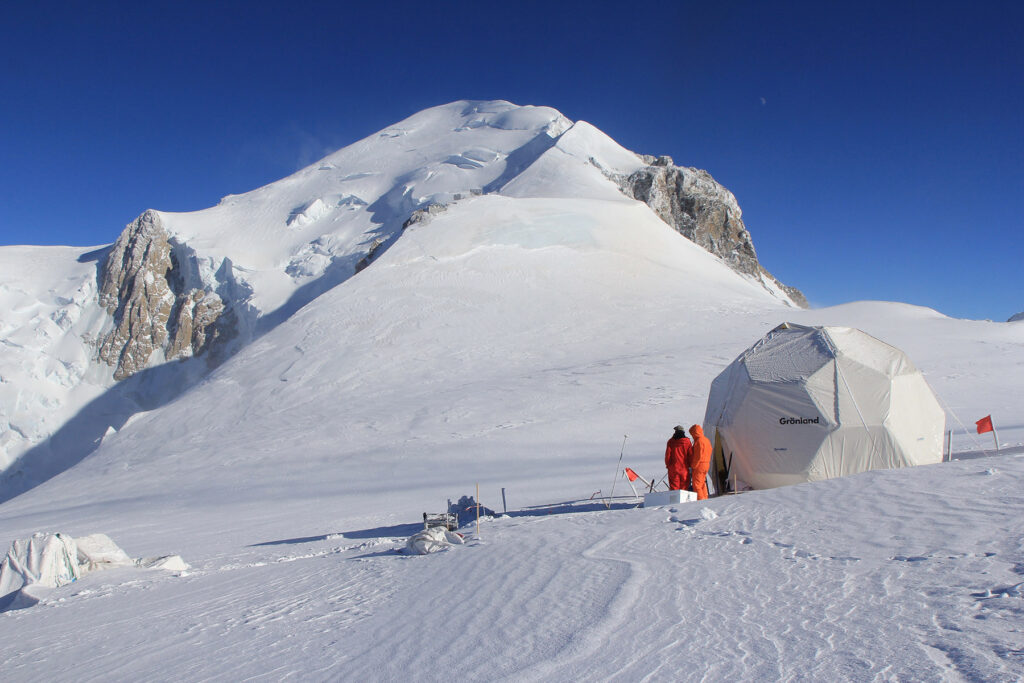
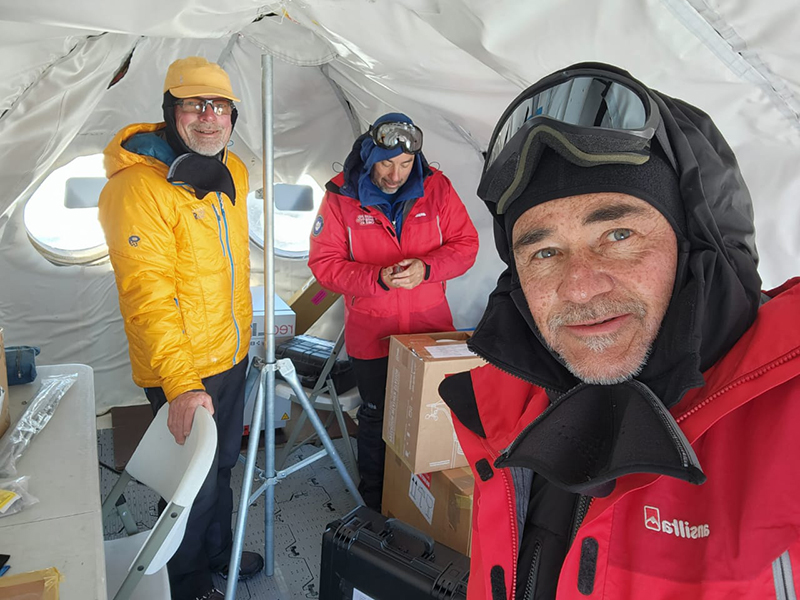
Two researchers in orange winter gear stand next to their tent on the side of a snowcapped mountain.

Scientists Find the First Ice Core From the European Alps That Dates Back to the Last Ice Age

The new study, published in the June issue of PNAS Nexus, examines a 40-meter long ice core from Mont Blanc’s Dôme du Goûter. Using radiocarbon dating techniques, the research team found that the glacier provides an intact record of aerosols and climate dating back at least 12,000 years. Aerosols are small droplets and particles in the air such as desert dust, sea salts, sulfur from volcanic eruptions, soot from forest fires, as well as pollutants and other emissions from human activities.

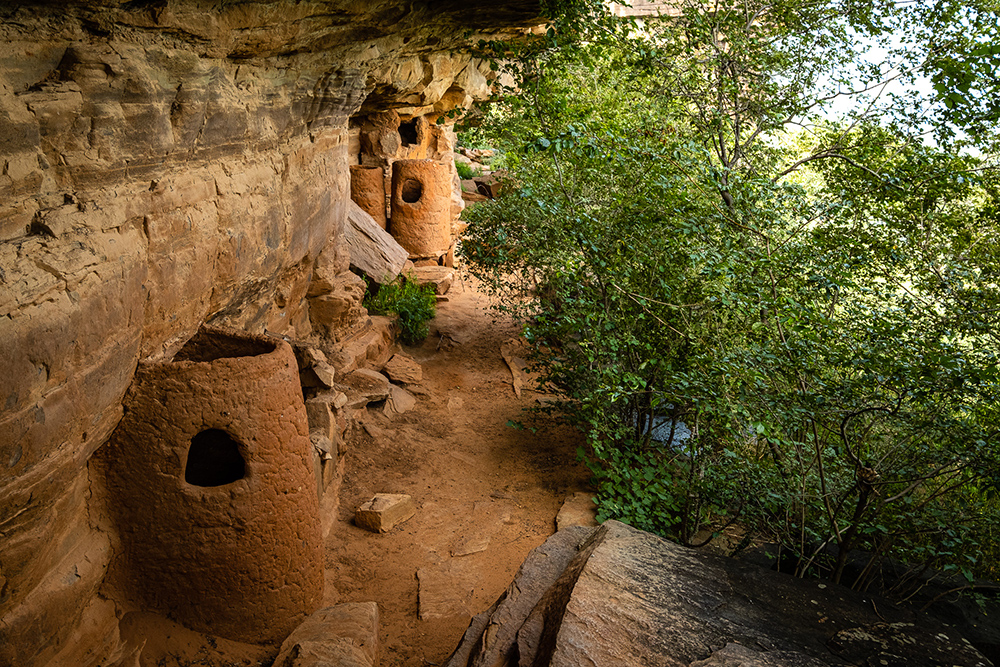
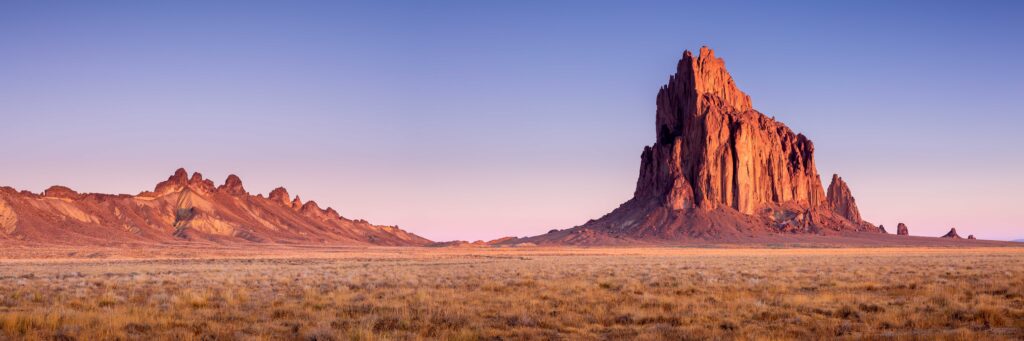
Reddish colored ancient clay dwellings on a cliffside with trees.

New Study Traces Indigenous Population Shifts in North America Before Europeans

DRI’s Erick Robinson, Associate Research Professor of Climate and Archaeology, co-authored a new study that provides insight into North America’s Indigenous communities prior to European contact. The research found that although Indigenous populations varied regionally, the continent saw a population peak around 1150 A.D. before experiencing declines, likely stemming from drought, disease, emigration and warfare. A brief recovery around 1500 A.D. was followed by a sharp decrease upon the arrival of Europeans.

Casey presenting at the podium at the Wagner Awards with flags in the background.

DRI Recognizes Catherine Ivanovich as the 2024 Peter B. Wagner Memorial Award Winner for Women in Atmospheric Sciences

DRI is pleased to announce that the 26th annual Peter B. Wagner Memorial Award for Women in Atmospheric Sciences has been awarded to Catherine (Casey) Ivanovich of Columbia University. The Peter B. Wagner Memorial Award for Women in Atmospheric Sciences is an annual competition recognizing the published works of women pursuing a master’s or Ph.D. in the atmospheric sciences.

Landscape of Newfoundland with red rocks in a valley between Mountains similar to the surface of Mars.

Mars Likely Had Cold and Icy Past, New Study Finds

A new study finds evidence to support that Mars had a cold and icy past by identifying similarities between soils found on Mars and those of Canada’s Newfoundland, a cold subarctic climate. The study, published July 7th in Communications Earth and Environment, looked for soils on Earth with comparable materials to Mars’ Gale Crater.