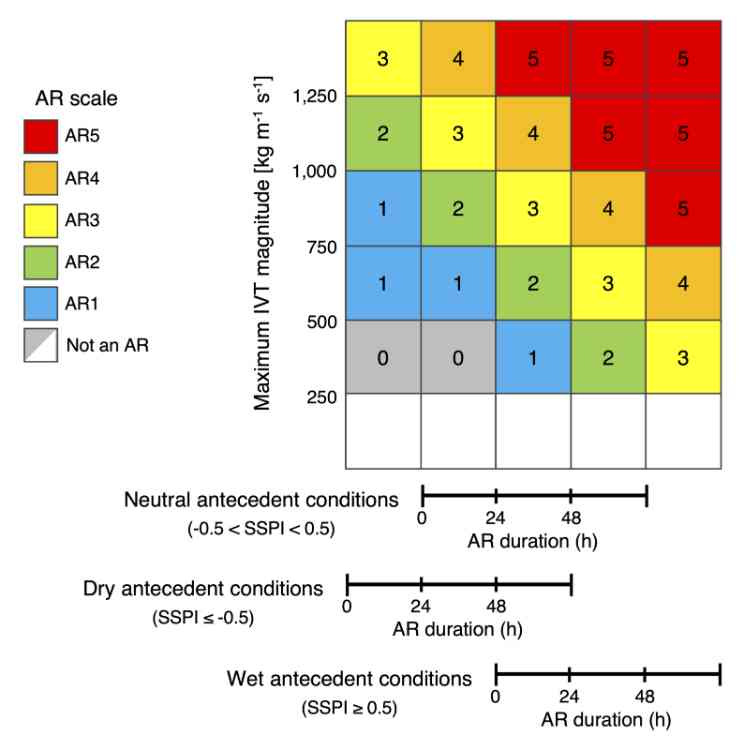
Scale showing soil saturation levels through colors.

Accounting for Soil Saturation Enhances Atmospheric River Flood Warnings

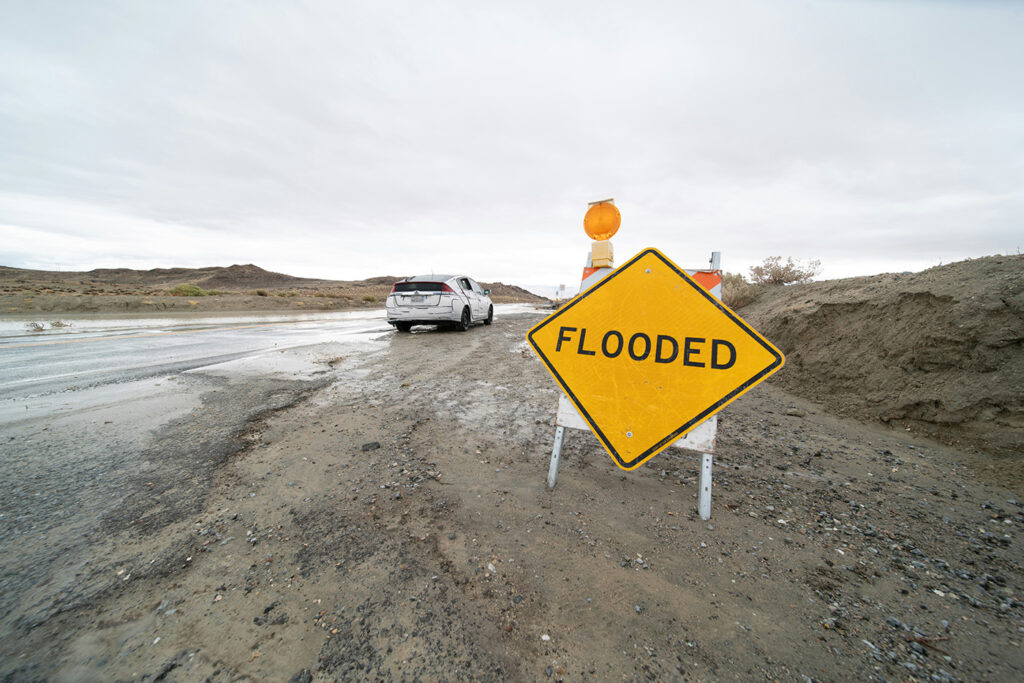
Atmospheric rivers carry unfathomable amounts of water across the sky, bringing moisture to drought-stricken regions like the Western U.S. But whether a particular incoming atmospheric river storm will result in disastrous flooding has long been difficult for researchers to determine with confidence. Now, a new DRI-led study demonstrates that accounting for soil saturation levels can substantially improve our early warning of potentially destructive flooding events. The research, published February 12th in Nature Communications, was led by DRI hydrologist Mariana Webb. She and her team examined more than 71,000 atmospheric river storms in the Western U.S. and central Chile to improve flood hazard early warning.
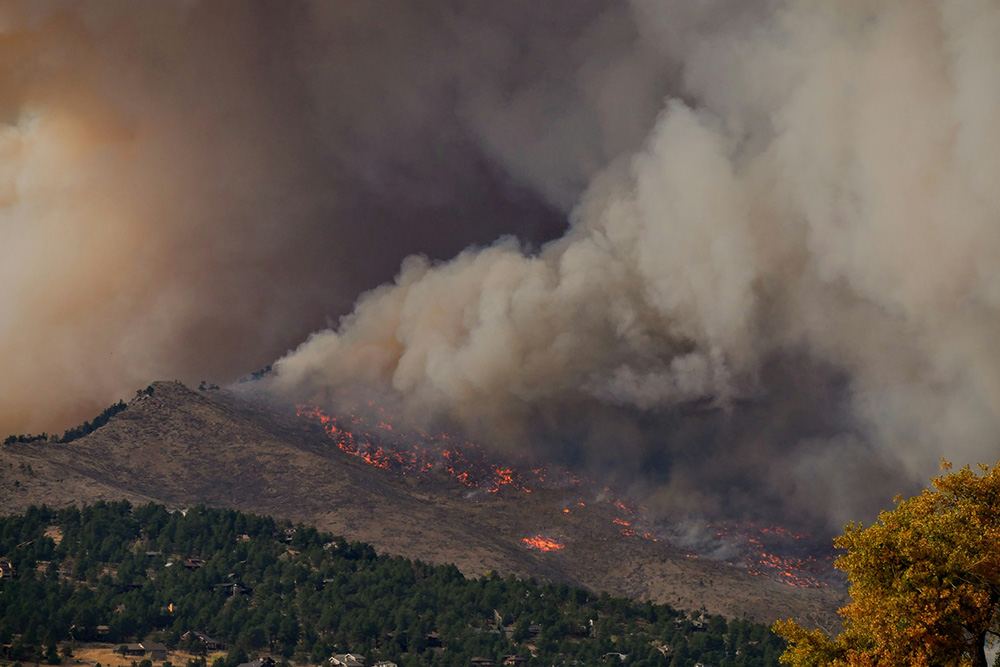
Fires dot a mountainside with dense smoke billowing into the sky.

Weather Whiplash is Amplifying Wildfire Risk

While fires engulfed large swaths of southern California in early January, destroying more than 16,000 structures, taking at least 29 lives, and choking the air with smoke, a new study about weather whiplash was released. Co-authored by DRI’s Christine Albano, the research examined how a warming climate is creating an atmosphere more prone to extreme weather. Now, Albano and her co-authors have released a new report that applies the knowledge gained from January’s study to the recent fires, analyzing the broader climatic context that contributed to the unprecedented infernos.

A city landscape shrouded in a red haze.

Floods, Droughts, Then Fires: Hydroclimate Whiplash is Speeding up Globally

DRI’s Christine Albano co-authored a new study that examines how a warming climate is creating an atmosphere more prone to extreme weather. This “hydroclimate whiplash” is evident in California’s recent weather, with winters filled with repeated atmospheric river storms driving the plant growth that the dry summers then parched, providing plentiful fuel for explosive wildfires.