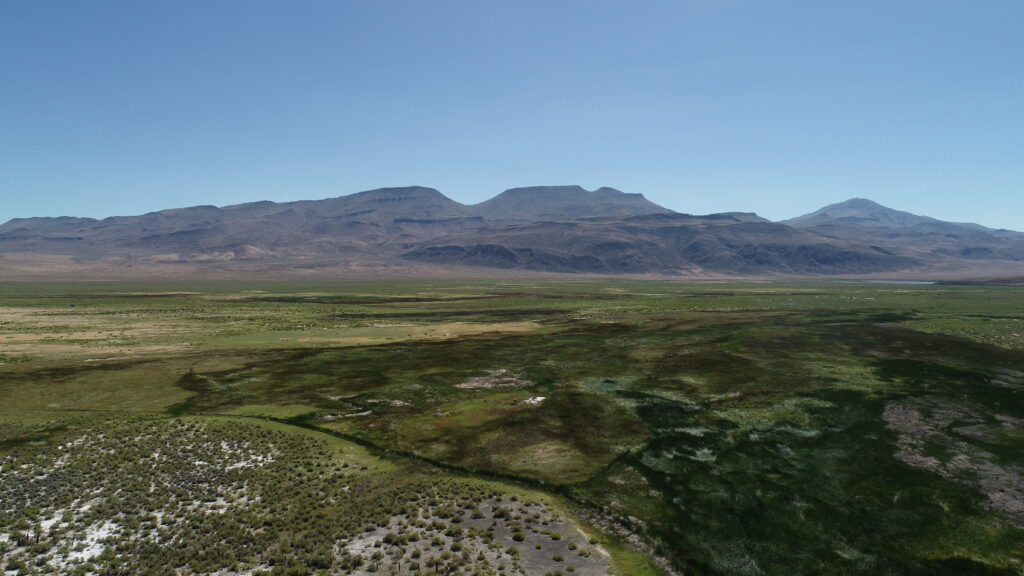
An aerial view of a green valley with mountains in the distance.

New Tool Will Help Manage One of Nevada’s Most Critical Freshwater Sources 

The Nature Conservancy in Nevada (TNC in Nevada), DRI, and the University of Wisconsin – Madison (UW-Madison) have developed the Nevada GDE Water Needs Explorer Tool. This new online resource helps land and water managers understand how groundwater supports groundwater-dependent ecosystems (GDEs) and how changes in water levels can affect them. 
Episode 3 DRI Research Explained with Ecohydrologist Christine Albano, Ph.D.

Science for Human Resiliency in a Time of Droughts, Floods, and Fires: An Interview With Ecohydrologist Christine Albano  

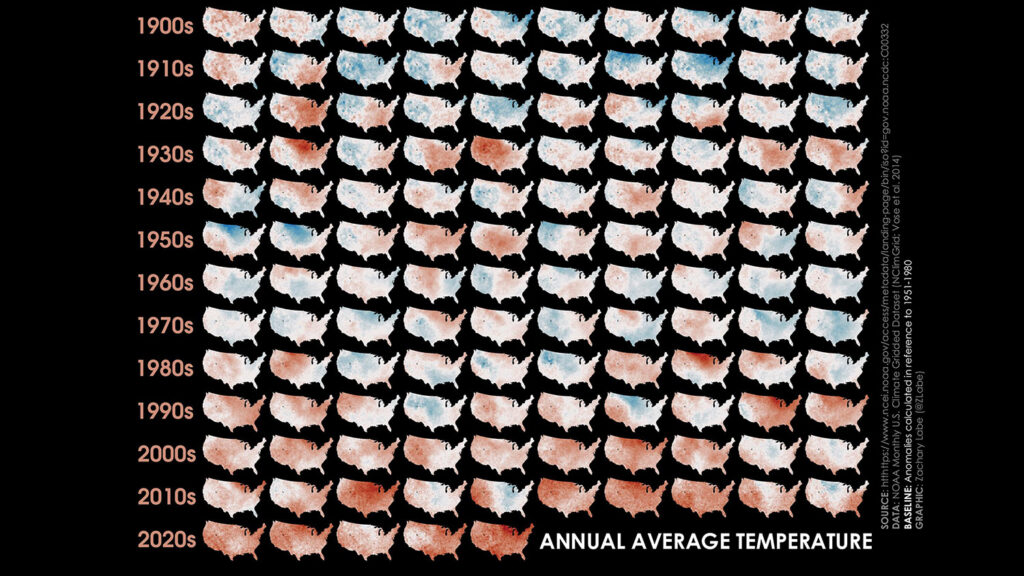
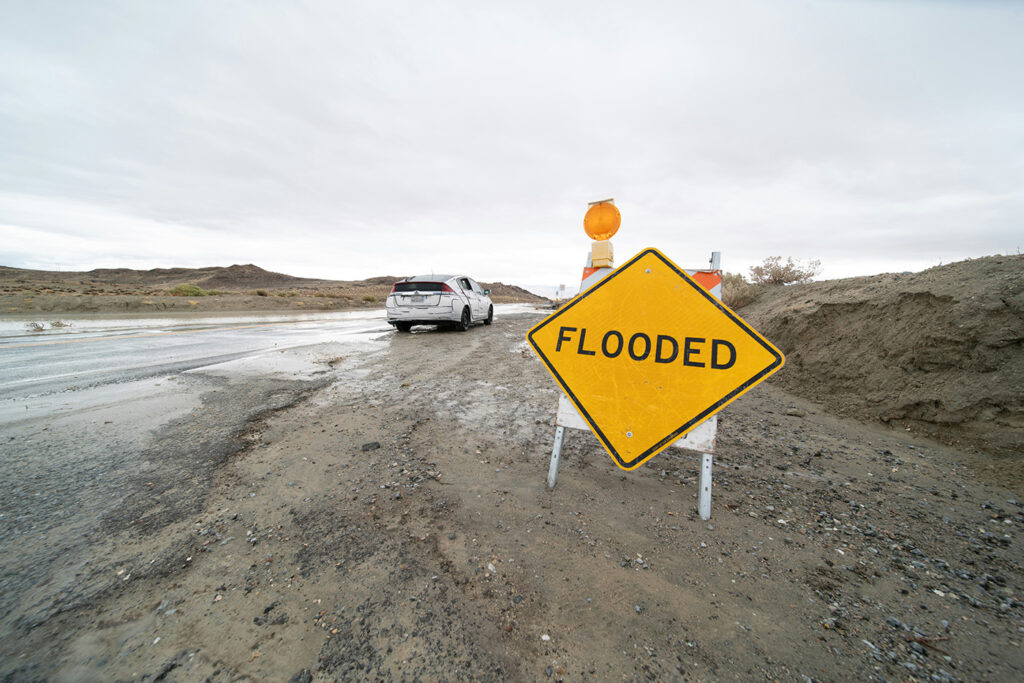
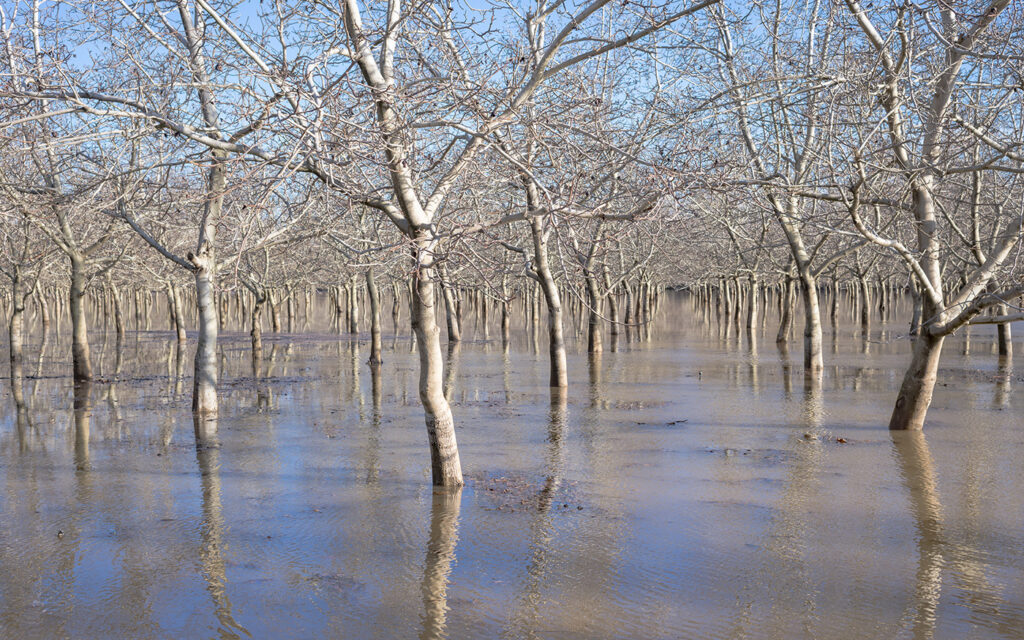
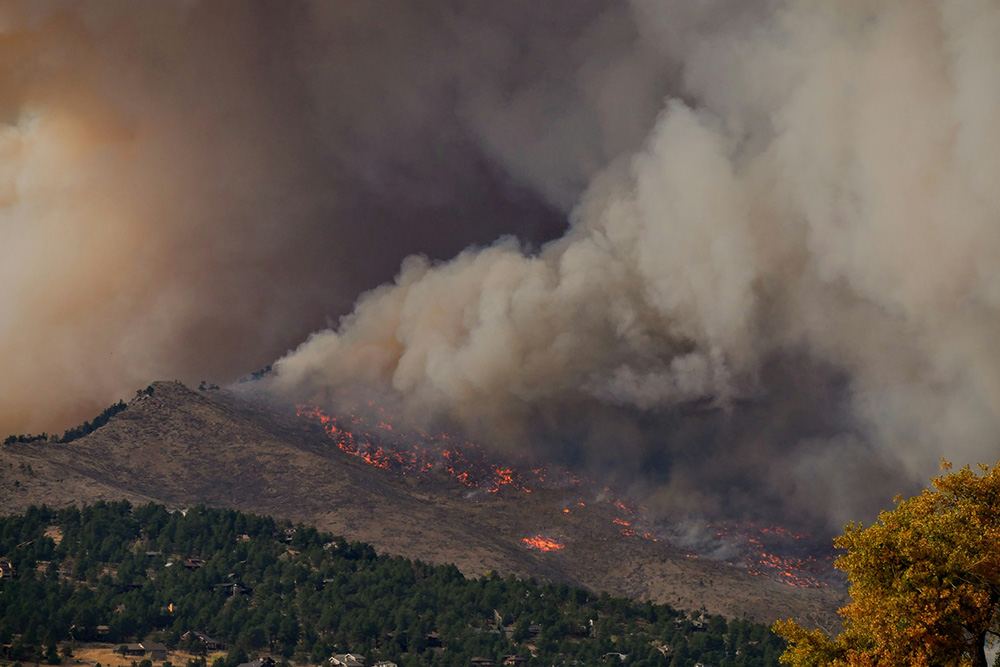
Christine Albano is an Associate Research Professor of Ecohydrology at DRI. In this interview, Dr. Albano answers frequently asked questions about the relationship between a warming atmosphere and extreme weather, including wildfires, droughts, and flooding. This is the third in a new series of FAQ videos with DRI researchers.

Fires dot a mountainside with dense smoke billowing into the sky.

Weather Whiplash is Amplifying Wildfire Risk

While fires engulfed large swaths of southern California in early January, destroying more than 16,000 structures, taking at least 29 lives, and choking the air with smoke, a new study about weather whiplash was released. Co-authored by DRI’s Christine Albano, the research examined how a warming climate is creating an atmosphere more prone to extreme weather. Now, Albano and her co-authors have released a new report that applies the knowledge gained from January’s study to the recent fires, analyzing the broader climatic context that contributed to the unprecedented infernos.

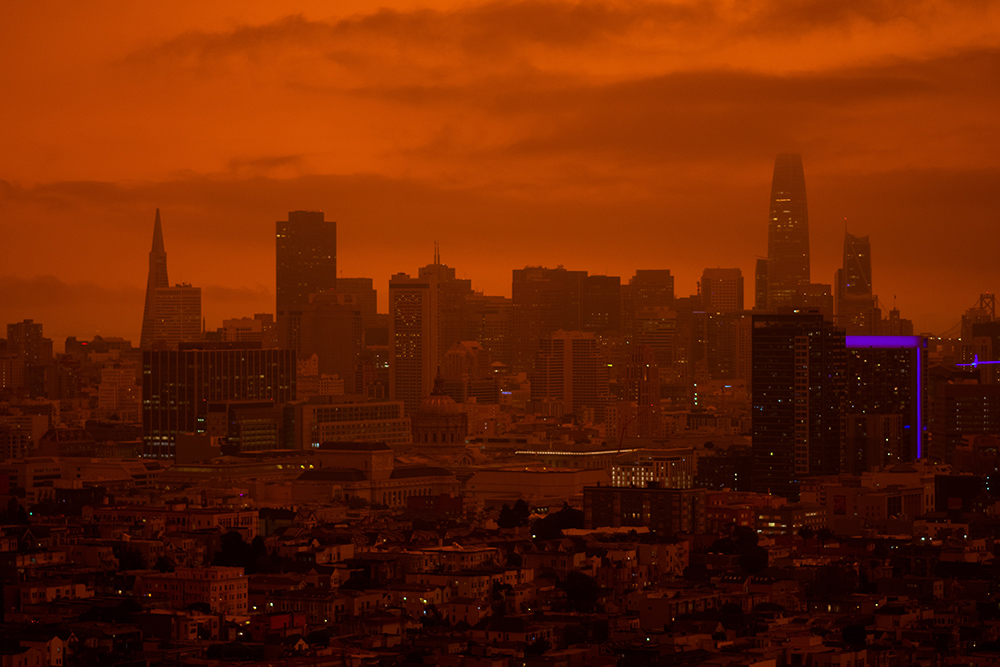
A city landscape shrouded in a red haze.

Floods, Droughts, Then Fires: Hydroclimate Whiplash is Speeding up Globally

DRI’s Christine Albano co-authored a new study that examines how a warming climate is creating an atmosphere more prone to extreme weather. This “hydroclimate whiplash” is evident in California’s recent weather, with winters filled with repeated atmospheric river storms driving the plant growth that the dry summers then parched, providing plentiful fuel for explosive wildfires.

Wildfire in a forest of pine trees with billowing smoke rising into the sky.

What We Know About Wildfire Risk and Prevention 

DRI scientists conduct a wide range of research on wildfire related topics to help policymakers, fire managers, and community members navigate challenges to public safety and health. In this Q&A, a selection of our scientists answer some of the most pressing questions about the environmental conditions that lead to the most devastating blazes and offer previews into some of their most relevant research.  

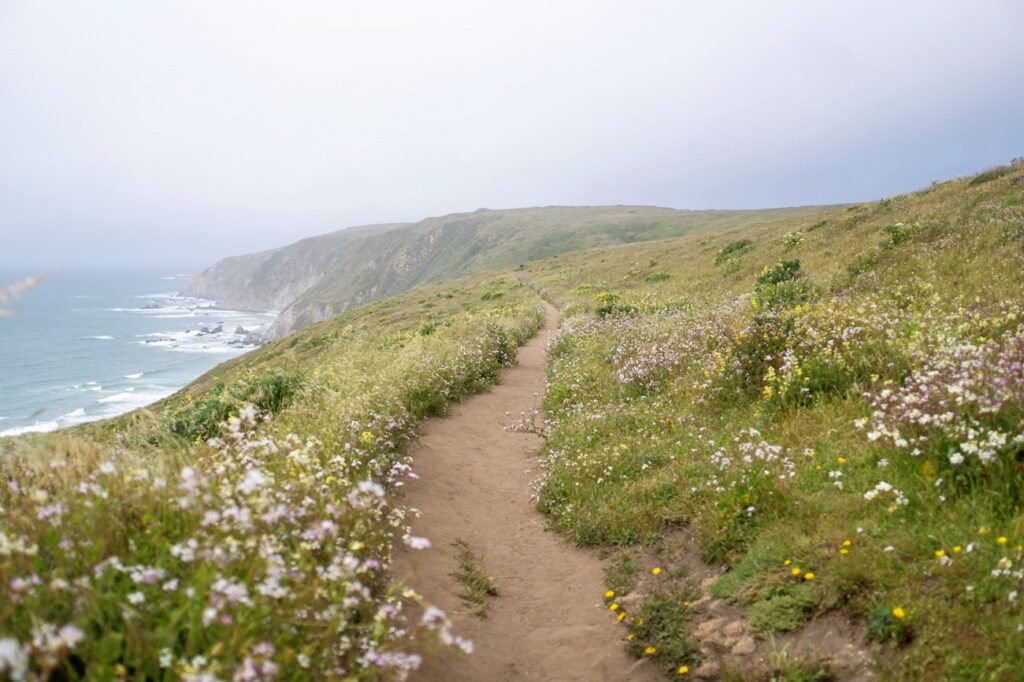
On top of a cliff overlooking the ocean at Point Reyes with a walking path and wildflowers.

Groundwater is Key to Protecting Global Ecosystems

New research identifies ecosystems around the world that could be threatened by declining groundwater levels. The research, published July 17 in Nature, is the first time that groundwater-dependent ecosystems have been mapped on a global scale. Led by scientists from The Nature Conservancy and DRI, the global effort brought researchers together from universities, non-profit organizations, and institutions from seven countries.