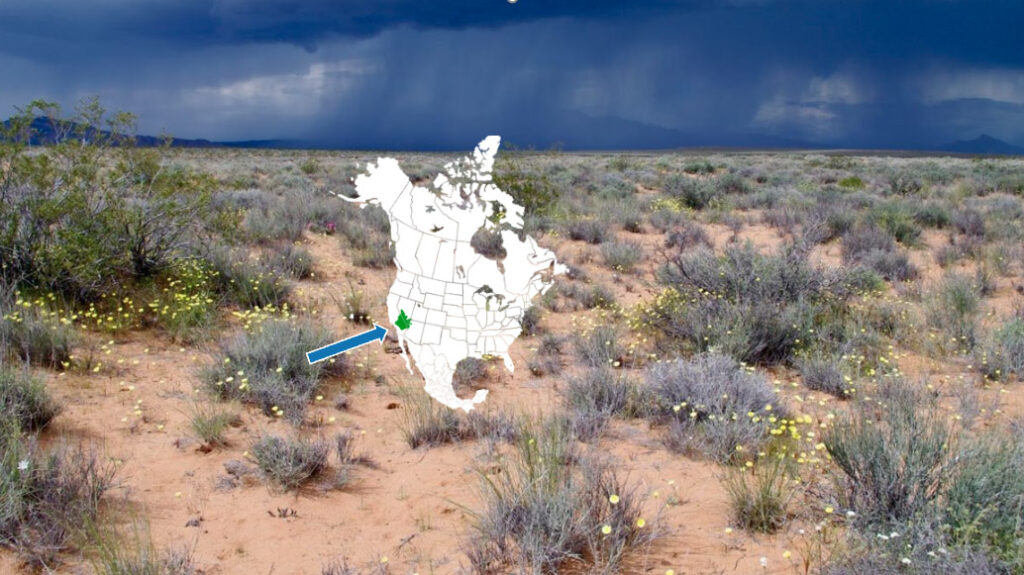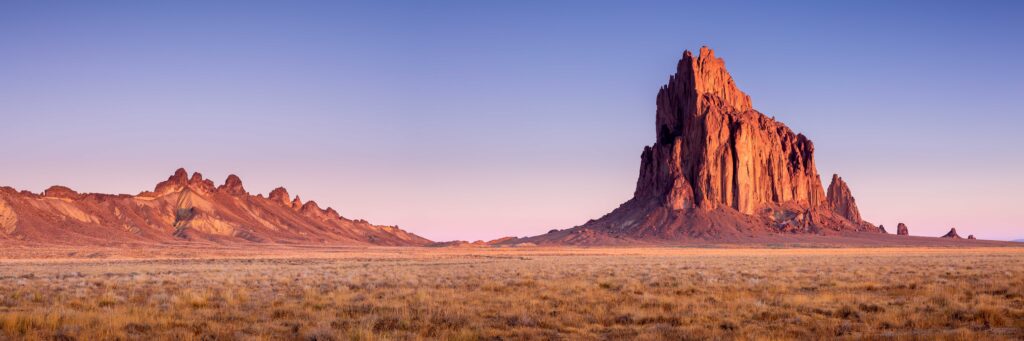
View of mountainous and grassland landscape.

New Study Offers a Glimpse Into 230,000 Years of Climate and Landscape Shifts in the Southwest

Atmospheric dust plays an important role in the way Earth absorbs and reflects sunlight, impacting the global climate, cloud formation, and precipitation. Much of this dust comes from the continuous reshaping of Earth’s surface through the erosion of rocks and sediments, and understanding how this process has shaped landscapes can help us decipher our planet’s history – and its future. Although an ephemeral phenomenon by nature, dust emissions through time can be depicted through natural archives like lake sediment cores. In a new study, scientists examine one such record to peer 230,000 years into the past of the American Southwest.

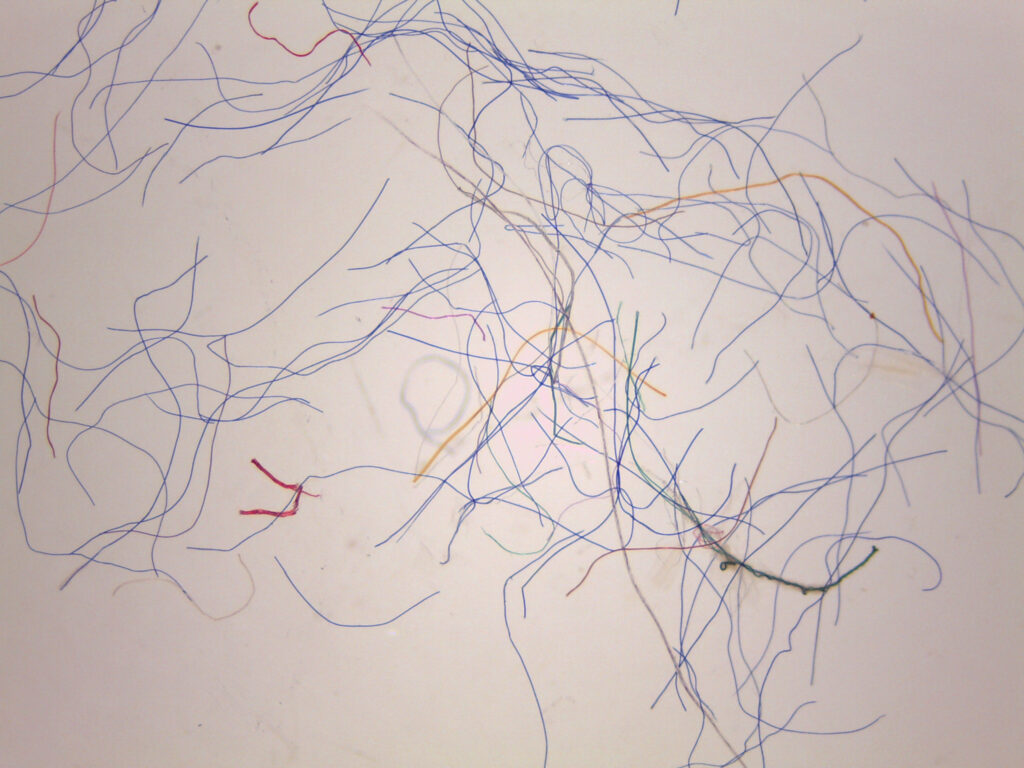
A microscope photo of colorful microfibers.

Household Dryers Are Significant Sources of Microfiber Pollution, Study Finds 

The fabrics that fill our homes, from natural cotton towels and bedsheets, to clothes produced with synthetic materials, produce microscopic fibers as they break down over time. Previous research has shown that household washers collect and release these microfibers into the environment, and now a new study uses citizen science to demonstrate how dryer vents also produce microfibers under normal household use.  

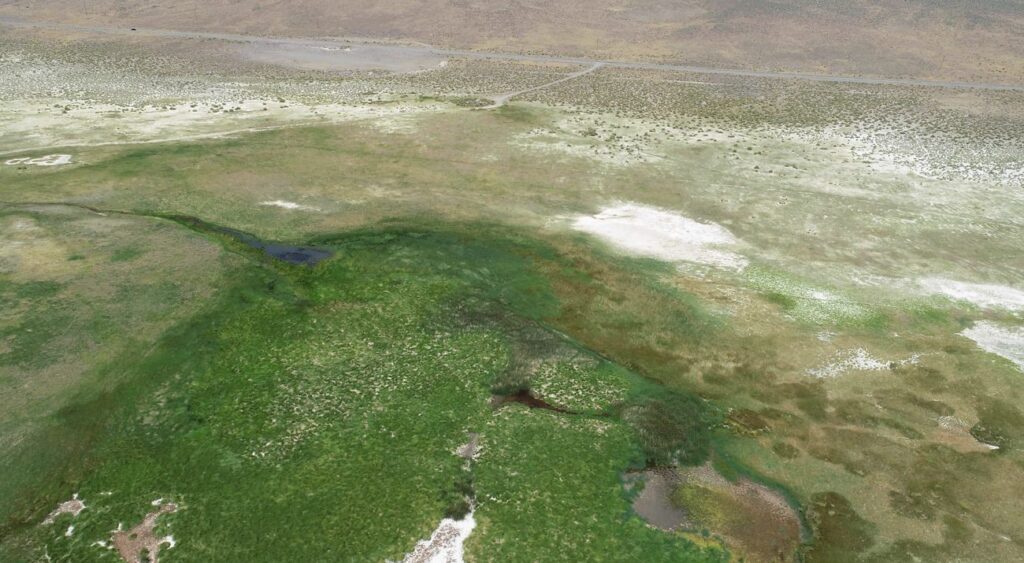
Aerial image of the Baltazor hot springs.

New Study Reveals Alarming Groundwater Declines Threatening Nevada’s Ecosystems

DRI’s Dan McEvoy is a researcher with the Western Regional Climate Center, and he recently co-authored a new study showing the declining groundwater levels in Nevada. He worked with scientist Laurel Saito with The Nature Conservancy to address risks and solutions to this groundwater problem.
The aim for the study, published in Hydrological Processes, was to determine risk factors leading to the declining groundwater levels, and propose science-based solutions for groundwater dependent ecosystems (GDEs).

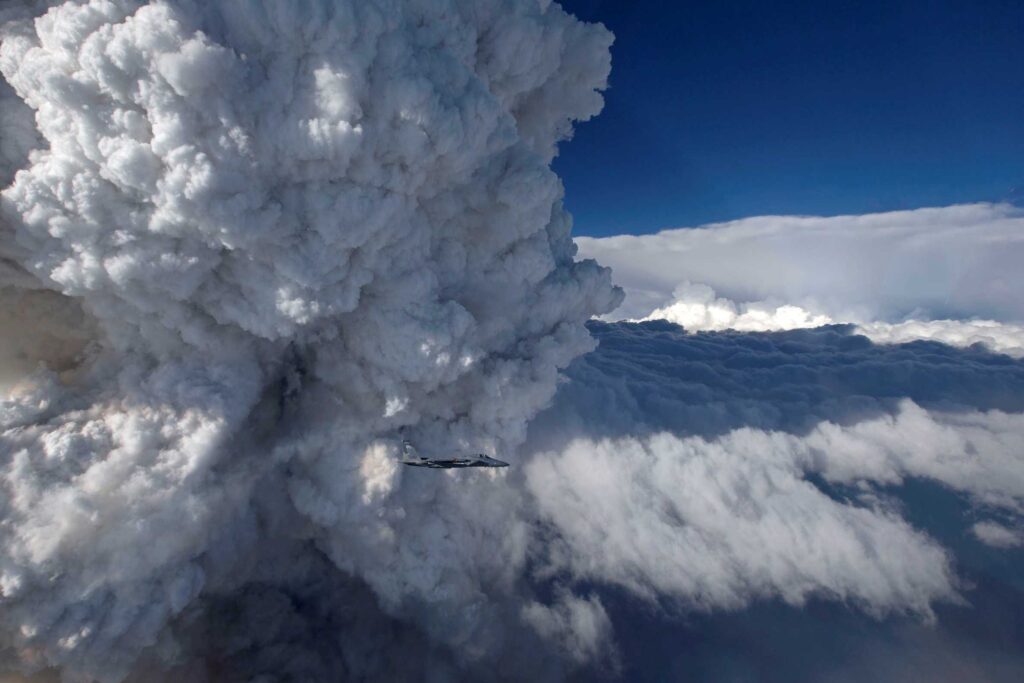
Plane in front of very large clouds.

Scientists Successfully Recreate Wildfire-Induced Thunderstorms in Earth System Models for the First Time

The breakthrough enhances scientific understanding of the dangerous storms and their long-term impacts on the climate. The research, published September 25th in Geophysical Research Letters, represents the first successful simulation of these wildfire-induced storms, known as pyrocumulonimbus clouds, within an Earth system model. Led by DRI scientist Ziming Ke, the study successfully reproduced the observed timing, height, and strength of the Creek Fire’s thunderhead – one of the largest known pyrocumulonimbus clouds seen in the U.S., according to NASA.

A van parked in a mountain landscape.

Keep Tahoe Blue, The Tyre Collective, and DRI launch innovative pilot program to protect Lake Tahoe’s air and water 

Today, Keep Tahoe Blue, The Tyre Collective, and Desert Research Institute (DRI) announced a groundbreaking collaboration with the Emerald Bay Shuttle and its operator, Downtowner, that brings together science, technology, and alternative transportation to protect Lake Tahoe’s world-renowned water clarity.  The pilot program employs The Tyre Collective’s proprietary technology — discrete, compact devices affixed to a vehicle’s undercarriage — to capture harmful tire wear particles directly at the wheel.  

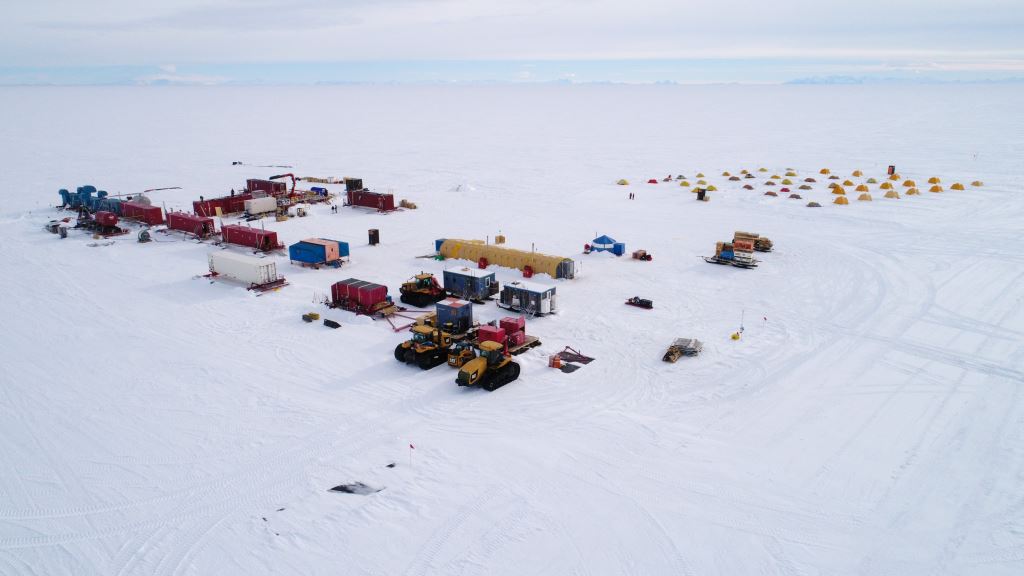
Buildings and tents in a snowy landscape

Hidden Life Beneath Antarctic Ice: Microbial Diversity and Survival Strategies Revealed in Mercer Subglacial Lake 

Hundreds of lakes exist beneath the Antarctic ice sheet, and very few have ever been explored by scientists. Now, an international research team has published their findings from an ambitious effort to drill over 1,000 meters into the ice to sample the life hidden in one known as Mercer Subglacial Lake. The project, referred to as the Subglacial Antarctic Lake Scientific Access (SALSA) project, was documented in detail for the film The Lake at the Bottom of the World.  

DRI Contributes to Study Using AI in Wastewater Surveillance for Detection of Emerging Virus Pathogens 

DRI Microbiologist Duane Moser co-authored a new study which introduces an AI-driven approach for the rapid detection and characterization of emerging variants during wastewater surveillance. The research builds on his earlier work helping to establish wastewater monitoring as a cost-effective tool for tracking pathogens during the COVID-19 pandemic. 

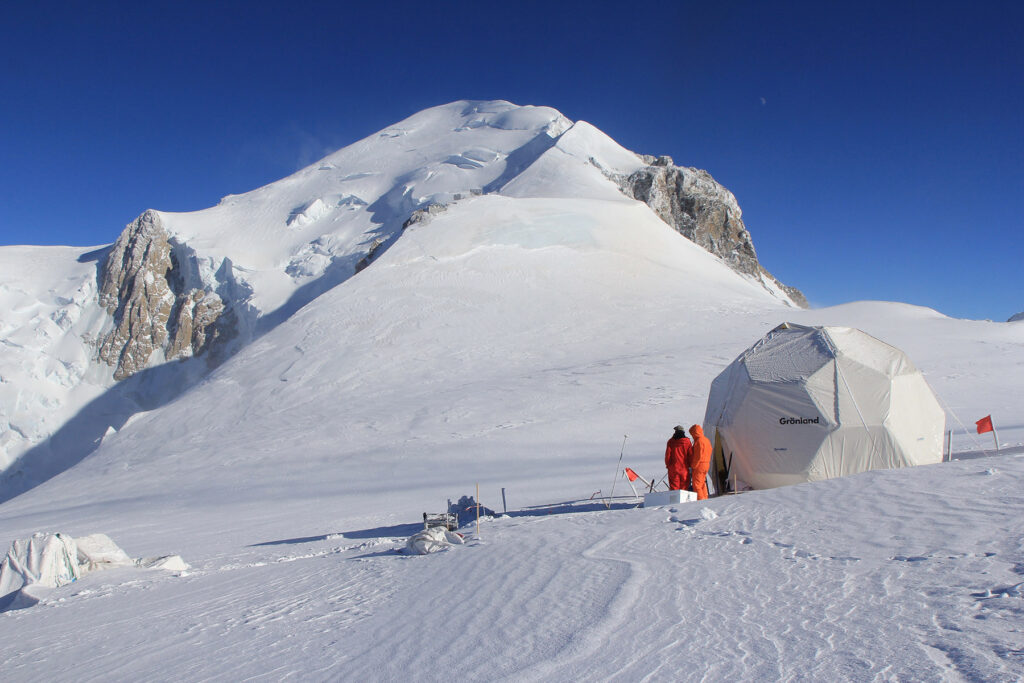
Two researchers in orange winter gear stand next to their tent on the side of a snowcapped mountain.

Scientists Find the First Ice Core From the European Alps That Dates Back to the Last Ice Age

The new study, published in the June issue of PNAS Nexus, examines a 40-meter long ice core from Mont Blanc’s Dôme du Goûter. Using radiocarbon dating techniques, the research team found that the glacier provides an intact record of aerosols and climate dating back at least 12,000 years. Aerosols are small droplets and particles in the air such as desert dust, sea salts, sulfur from volcanic eruptions, soot from forest fires, as well as pollutants and other emissions from human activities.

View of side walk in front of Bellagio in Las Vegas with trees lining the right side.

A New, Detailed Analysis of the Benefits and Trade-offs of Urban Street Trees in Las Vegas

Earth is hotter than it has been in 125,000 years, scientists say, and Las Vegas continues to break temperature records. Planting and preserving the city’s street trees is one method that brings many benefits, from the cool air of their shade to their ability to store carbon. Now, a new study takes a deeper look at just how much trees can offer Sin City, as well as the water tradeoffs inherent in growing trees in a desert.

Image of space with colorful galaxies and stars.

Desert Lichen Offers New Evidence for the Possibility of Life on Other Planets

The question of whether Earth is alone in harboring life has captivated humanity for millennia. In recent years, scientists have turned to Earth-like planets in other solar systems that may show the most promise, but many revolve around stars that emit much stronger solar radiation than our own. Now, a new study offers evidence that life as we know it may be able to thrive on those Earth-like exoplanets.