Wildfire in a forest of pine trees with billowing smoke rising into the sky.

What We Know About Wildfire Risk and Prevention 

DRI scientists conduct a wide range of research on wildfire related topics to help policymakers, fire managers, and community members navigate challenges to public safety and health. In this Q&A, a selection of our scientists answer some of the most pressing questions about the environmental conditions that lead to the most devastating blazes and offer previews into some of their most relevant research.  

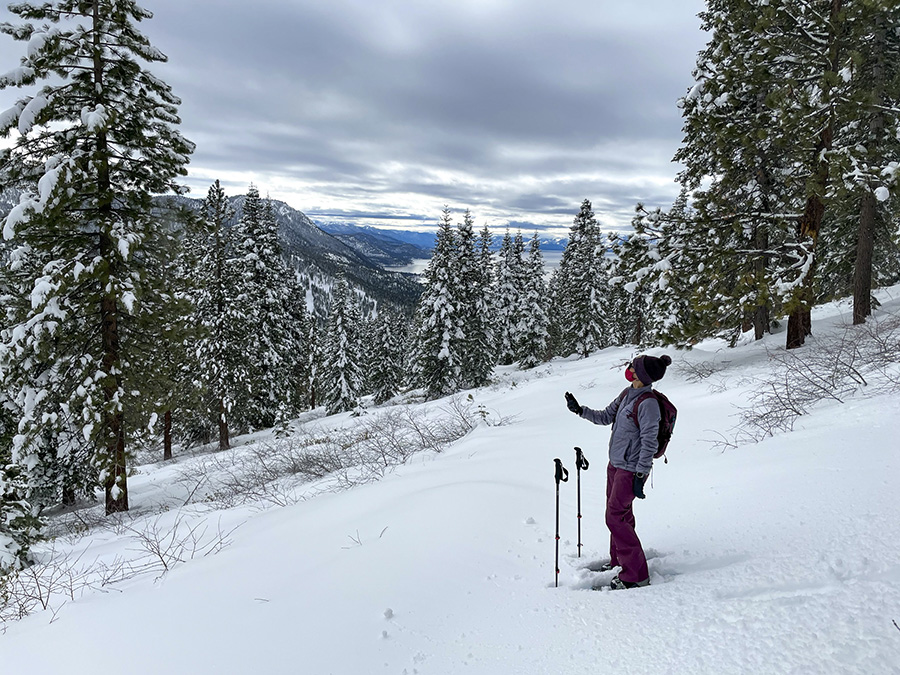
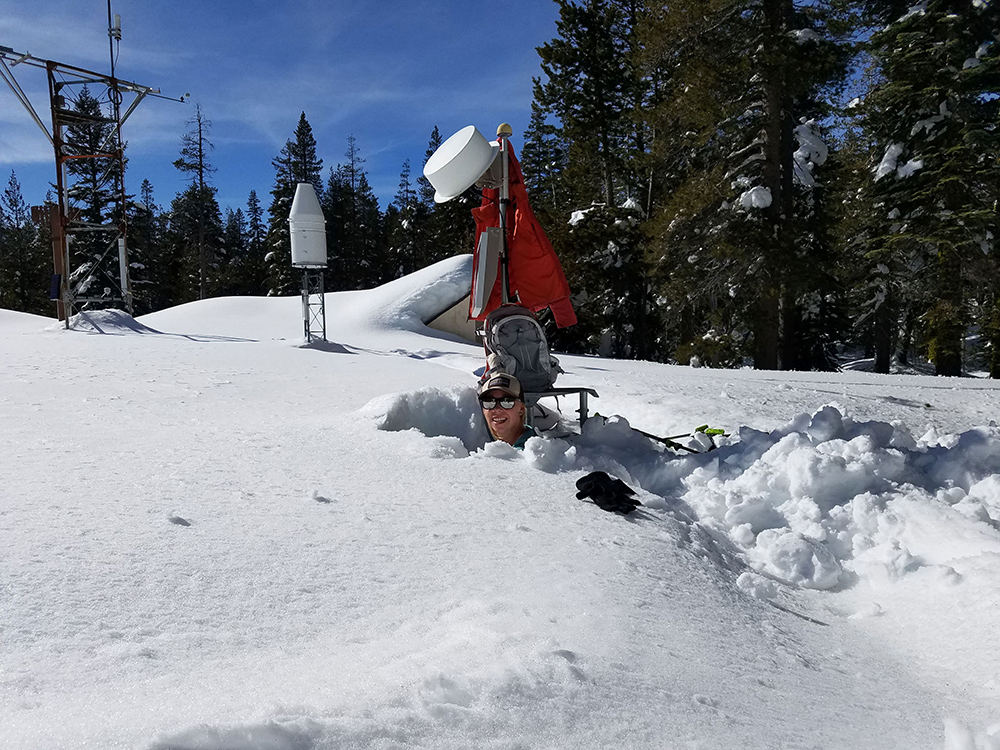
A person in snowshoes and hiking poles stops in a clearing on a mountainside of pine trees to take a photo of the snow.

Volunteer Scientists Validate Rain and Snow Estimates

DRI scientists Guo Yu, Meghan Collins, Monica Arienzo, and Anne Heggli co-authored a new study that examines how Mountain Rain or Snow is helping improve weather forecasting models. The citizen science project collects observations of precipitation from community volunteers across the country to further scientific understanding of the environmental variables impacting where precipitation falls as either rain or snow. This information is critical for informing avalanche forecasting, road safety, and water resources management.

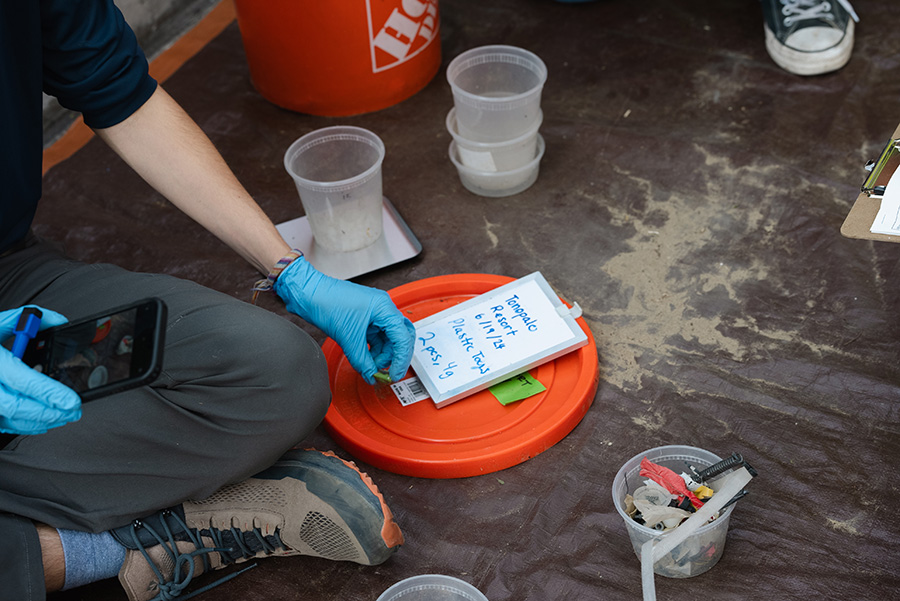
Intern sitting on the ground and documenting items found on the beach with a white board, bucket lid, and phone.

DRI Internships Offer Nevada Students Experience with Research and Insight into STEM Careers

This summer and fall, DRI brought twelve students from Nevada’s community and state colleges to the Las Vegas and Reno campuses for a paid, immersive research experience. Over the course of the 16-week program, students worked under the mentorship of DRI faculty members to learn about the process of using scientific research to solve real-world problems. This unique internship program welcomes all students, not only those pursuing majors in science, who are in their first or second year of enrollment at local state and community colleges.

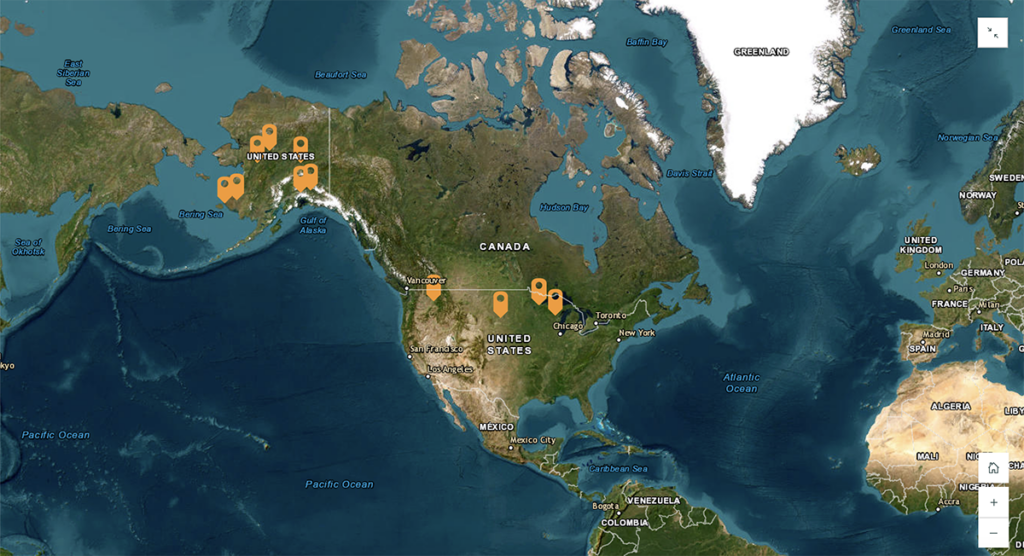
Map of North American with orange markers indicating locations of extreme weather events.

Native Climate Reporter Team Presents, Listens, and Learns at Indigenous Climate Conference in Alaska

Along Alaska’s western coastline, 400 miles from the nearest road system, villagers from the Indigenous community of Newtok were scheduled for permanent evacuation in mid-October due to the irreversible threat of rising seas. The story, recounted by Newtok resident Della Carl in September at the National Indigenous Climate Conference in Anchorage, Alaska, embedded itself deep in the hearts and minds of each member of the audience, making it clear not just that sea level rise is happening, but why it matters. Such is the power of a well-told story.

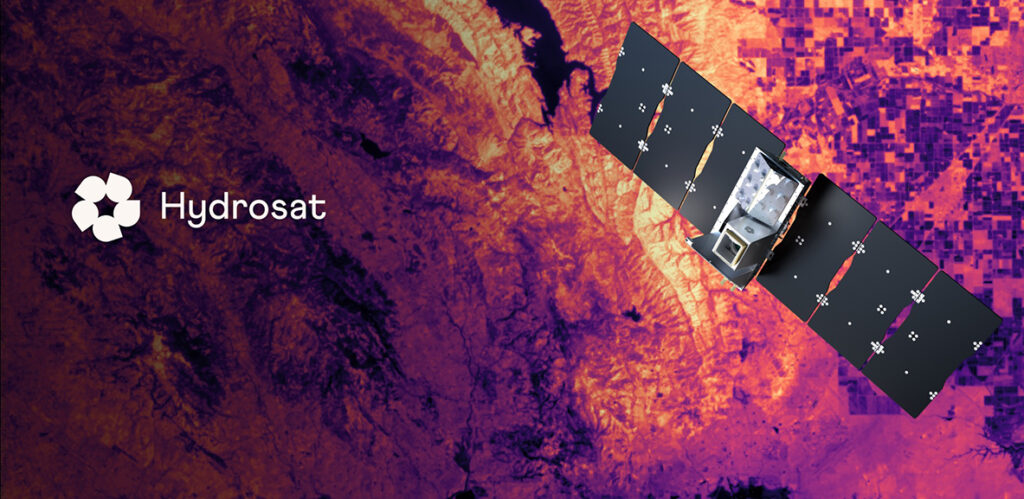
A satellite and Hydrosat Logo appear over a background of a thermal map.

Measuring Colorado River Evaporation from Reservoirs

DRI is advancing water management in the Colorado River basin with support from the National Science Foundation's Southwest Sustainability Innovation Engine (SWSIE) and the Governor's Office of Economic Development. Partnering with Hydrosat, DRI uses high-resolution satellite thermal imaging to enhance evaporation estimates from key reservoirs, ensuring better resource planning amidst drought and population growth.

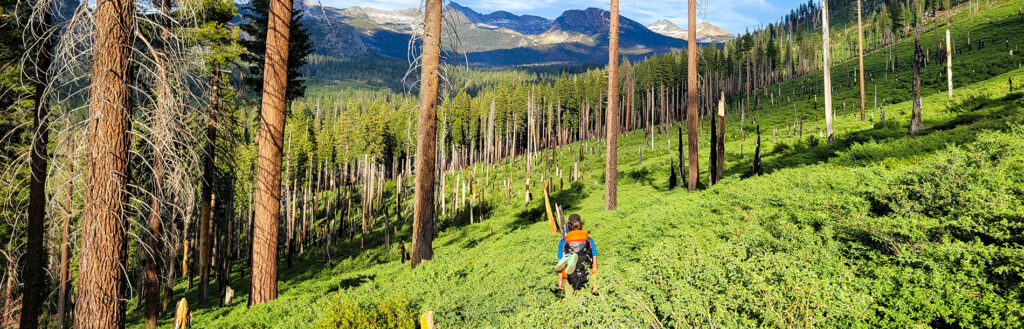
Researcher walking through Illilouette Basin with bare tree stumps left from wildfire

Tracking the Restorative Effects of Good Fire

A few miles south of Yosemite’s famed Glacier Point, ringed by striking granite domes, lies the Illilouette Basin. This small stretch of the Sierra Nevada Mountains has become a sort of fire laboratory, a place where natural wildfires have been allowed to burn since 1972. In contrast with the long-supported program of fire suppression that has dominated American forests since the late 19th century, resulting in dense and unhealthy forests, the Illilouette Basin’s story is about the benefits that natural fire can bring to the landscape.

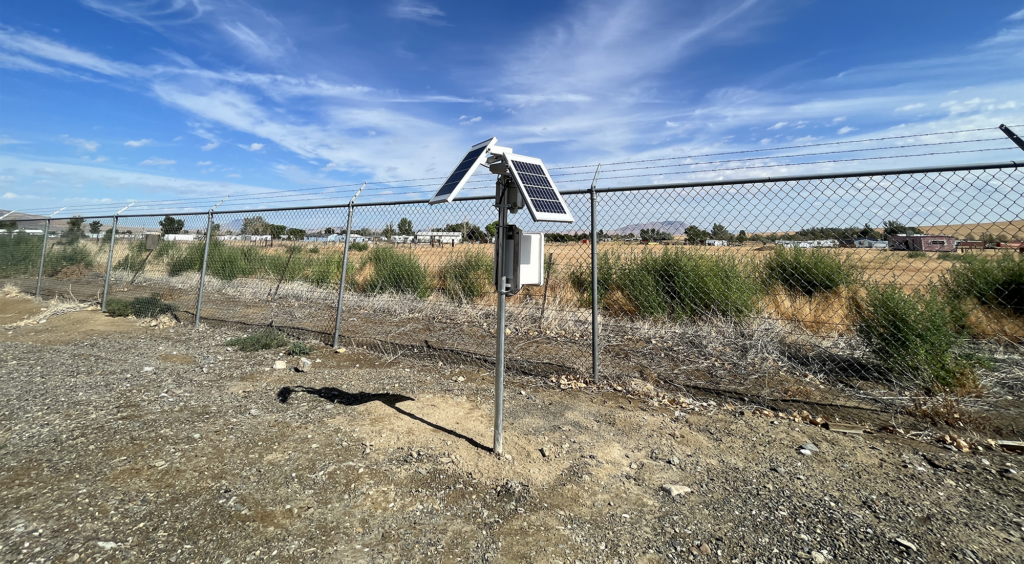
air quality monitoring station in front of a fence with a blue sky in the background.

DRI Researchers Partner with NDEP to Prepare Rural Nevada Communities for a Smokier Future

In 2021, DRI researchers partnered with the Nevada Division of Environmental Protection (NDEP) to address the gap in air quality monitoring. Led by Kristin VanderMolen, Ph.D., assistant research professor of atmospheric science, a new study details how the research team designed custom air quality sensors and information materials for rural Nevada counties.