We envision a world in which trust between scientists and the public forms the basis for a more sustainable and resilient environment for all people to live, grow, and prosper.

Bringing Wildfire Science Into the 21st Century
The Harnessing the Data Revolution for Fire Science project is bringing researchers from DRI, UNR, and UNLV together to tackle dozens of questions about wildfires -- from the impacts on air quality and hydrology to the way that plants and soils recover from burns. The project is treating wildfire as a continuum rather than as a single event, linking together the landscape and climate conditions that exist before the fire, the physical and chemical processes happening during the active burn, and the way the ecosystem responds and recovers.

Remembering the Legacy of Sue Wagner, Long-Time DRI Supporter and Pioneering Woman in Nevada Politics
Sue Wagner built the foundation for state support for DRI. She joined the staff of DRI in 1981 and served as Special Assistant for Government and Legislative Affairs for nine years, and ending when she was elected Lieutenant Governor. One of her major achievements at DRI was shepherding of special legislation through the U.S. Congress to establish the DRI Dandini Research Park. Sue remained active in local and state politics and continued to play a role in supporting promising scientists from DRI and beyond.

Take Charge of Your Estate: DRI Foundation Partners with Community Foundation for 7-Week Series
Interested in learning more about estate planning and want to take charge of your estate matters? Sign up for the Family Estate Planning Series, presented by the Community Foundation of Northern Nevada and PBS Reno! The free, in-person 7-week Spring Family Estate Planning Series will take place on Wednesdays, March 18 – April 29, 2026. Each week will feature subject-matter experts as guest speakers and cover the fundamentals of estate planning.
Research Highlights
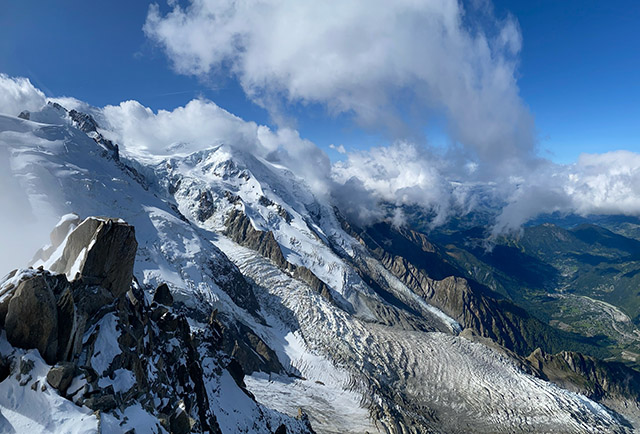
Check out our latest Research Highlights 2026 Volume 1 Storymap to see a selection of DRI's science that matters now.
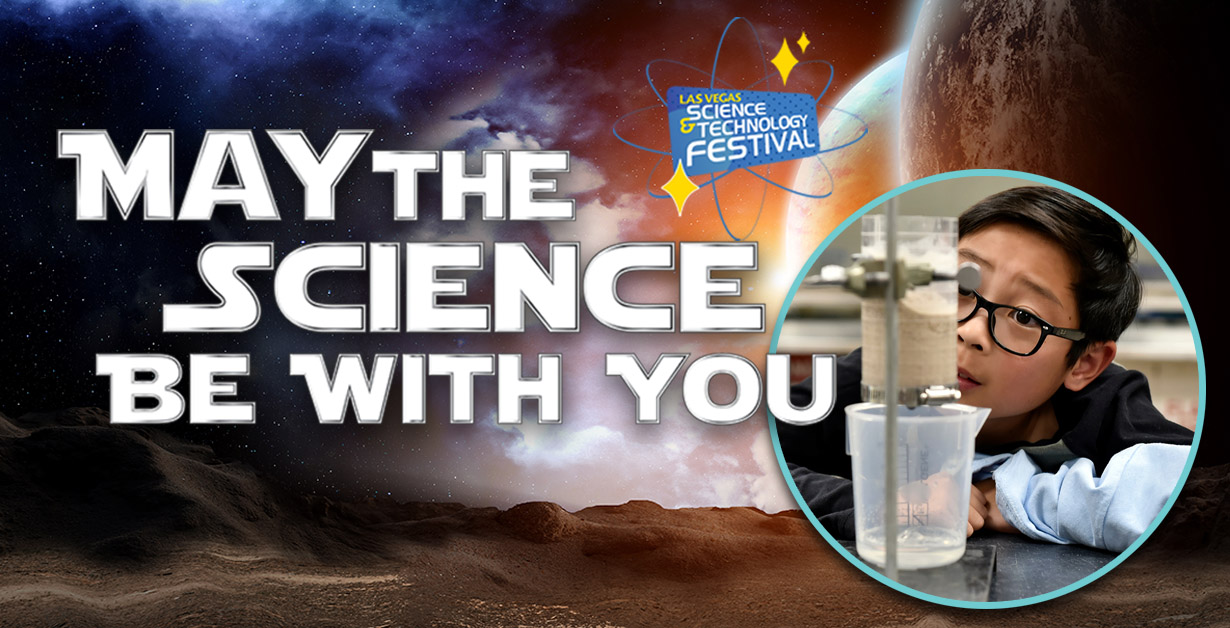
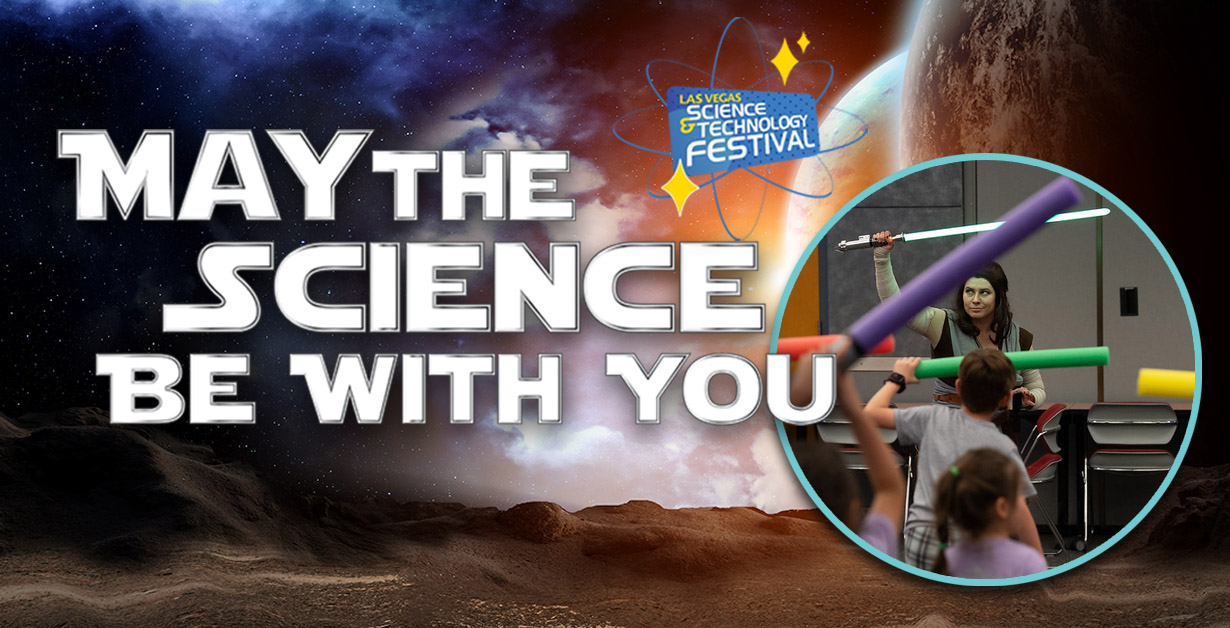
A FREE FAMILY-FRIENDLY COMMUNITY EVENT!
FRIDAY, MAY 1, 2026
DRI LAS VEGAS CAMPUS FROM 4-7 P.M.
Support Science that Matters Now
Your support enables DRI scientists to dream bigger and grow their ideas into impactful solutions that benefit us all.
DRI presents a series of community-based events across Nevada that celebrate how science shapes our lives, fuels creativity, and deepens our understanding of the world by underscoring the transformative power of curiosity and knowledge.
Learn more and purchase tickets!
All Upcoming Events
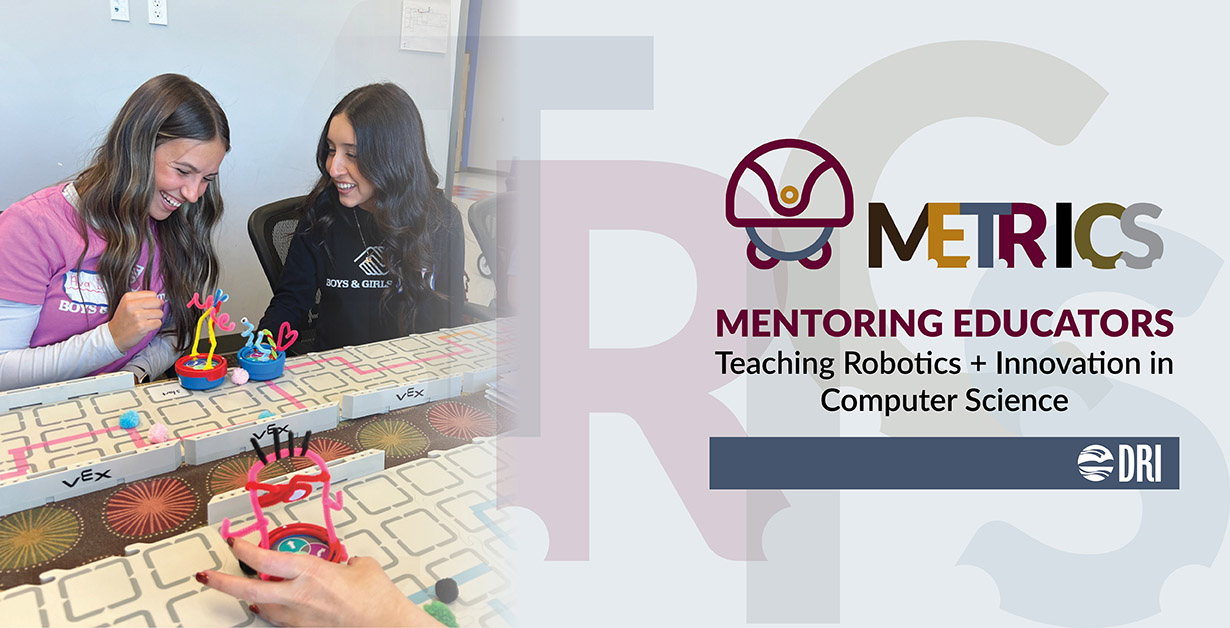
More than 60 years of scientific discovery and innovation, in Nevada and around the world
Since 1959, the faculty, students, and staff at DRI have advanced scientific knowledge to help solve pressing environmental challenges and improve human health. With more than 600 employees, over 300 projects on all seven continents, and two world-class research campuses in Reno and Las Vegas, DRI serves as one of the eight institutions in the Nevada System of Higher Education.
Atmospheric Sciences
Research and services related to air quality and associated health risks, climate, cloud and aerosol physics, renewable energy, fire science, and atmospheric dynamics.
Hydrologic Sciences
Research, development, and education services contributing to society’s fundamental understanding of hydrologic systems and advancing the sustainability of water resources.
Earth & Ecosystem Sciences
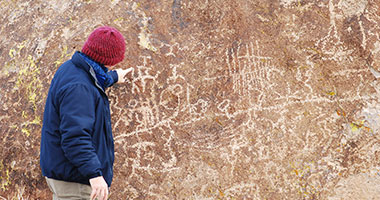
Research in the life & earth sciences, particularly those dealing with the complex interactions of geological processes, organisms, biological communities, and human societies.
Education & Workforce Development
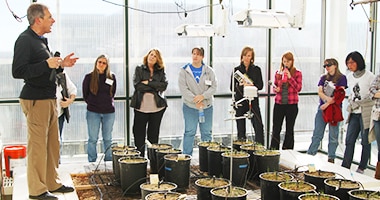
Training Nevada's K-12 teachers and providing professional development opportunities and training for education-based activities.

Environmental Research Areas
DRI faculty and staff work in over 40 scientific fields on all seven continents.

40 Laboratories and Facilities
DRI has more than 40 specialized labs and facilities on research campuses in Reno and Las Vegas.

60 Years of Scientific Excellence
Since 1959, DRI has contributed to solving our toughest environmental challenges.
As a non-profit, we rely on your support.
By making a gift to DRI, you’re providing the resources our scientists need to better understand and address the challenges posed by our changing planet.