
A wide, murky river cutting through a lush green valley with colorful houses on the cliff sides.

DRI’s Monty Majumdar is Working with an International Team of Researchers to Create a Digital Twin of India’s Ganges River Basin

DRI’s Sayantan (Monty) Majumdar, Assistant Research Professor of Hydrologic Science and Remote Sensing, is joining forces with an international team of researchers to create a digital twin of the entire river basin that will support decision-makers as they work to protect this critical resource. Originally hailing from the river’s fertile lands, Majumdar is now based on DRI’s Reno campus, where he contributes to a wide range of research on water management issues in the Western U.S. As a no-cost Co-Principal Investigator (similar to a volunteer consultant role) on the project, he is excited to contribute the knowledge and models developed by teams like the OpenET project and apply them to India in order to expand their reach and test their efficacy in different climates.

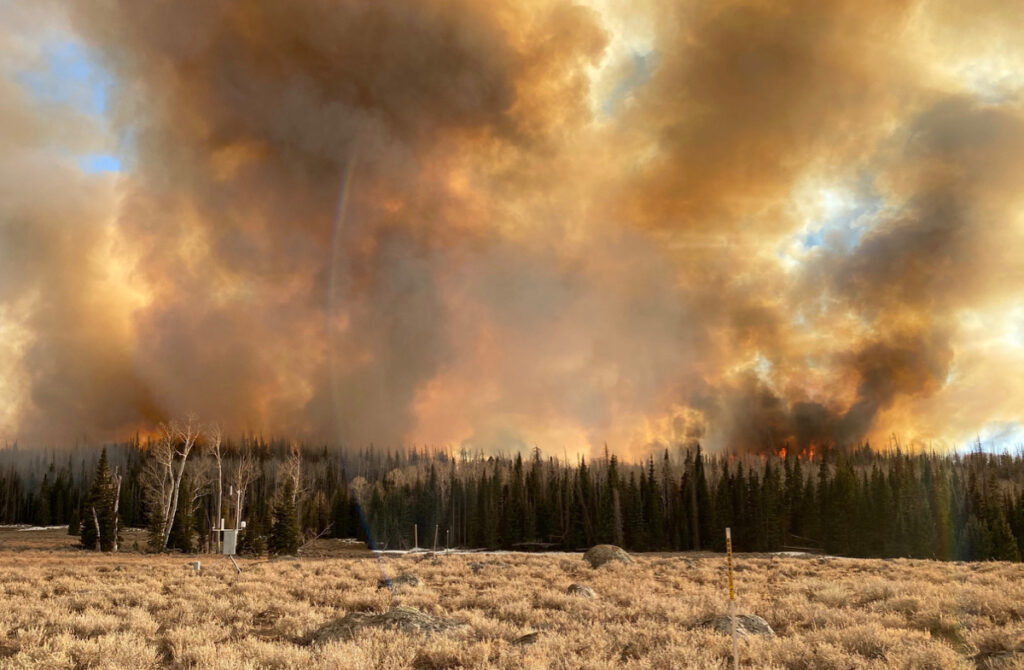
smoke coming from a burning forest

Preparing Communities for the Future of Wildfire 

Last year saw DRI’s inaugural global initiative aimed at advancing community resilience and adaptability in the face of rapid global change – AWE+, for an Adaptable World Environment. The event brought together hundreds of scientific experts, policymakers, resource managers, and other stakeholders to discuss ways to strengthen our communities against the growing threat of wildfires. To maintain momentum on the topic and continue building relationships that advance resilience, DRI’s 2025 AWE+ event sought to build on these conversations, again focusing on wildfire and bringing experts together from across the nation.

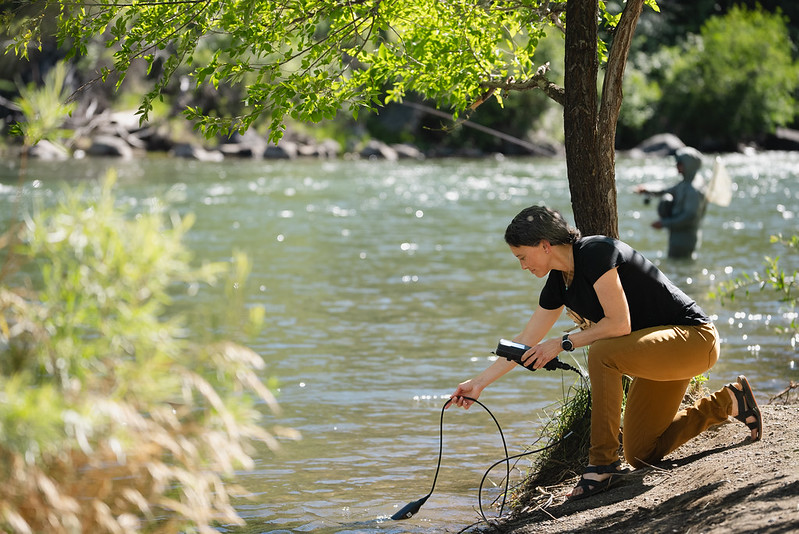
Researcher kneeling on ground holding a device into water to take a sample for analysis

DRI Launches Collaborative New Project Investigating PFAS and Microplastics for Department of Defense 

DRI’s Monica Arienzo, Director of the Microplastics and Environmental Chemistry Laboratory, was recently awarded $250,000 by the Department of Defense to investigate laundering and textile degradation as a possible source of PFAS and microplastic pollution. The one-year grant will fund laboratory studies and analysis led by Arienzo, with DRI’s Daniel Saftner and Yeongkwon Son contributing to the work. Matt Reeves of Western Michigan University is partnering with the DRI scientists for the project.  

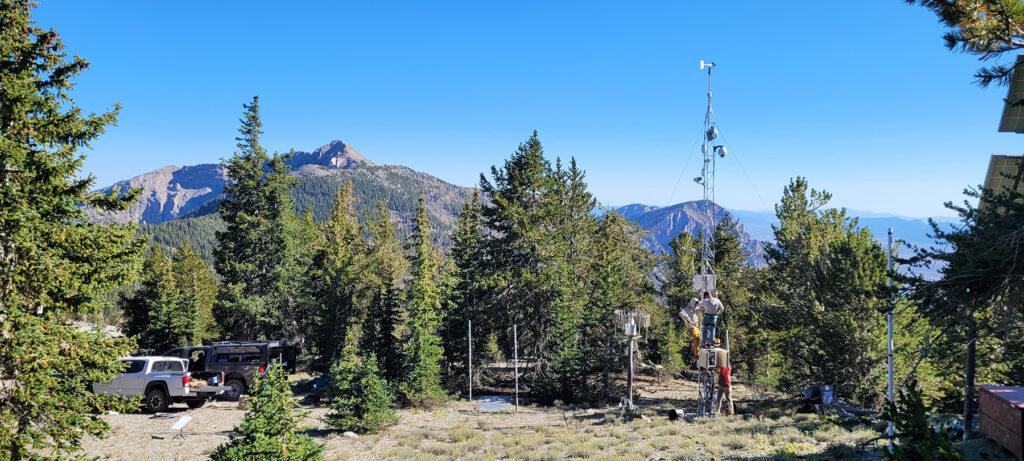
View from the top of a mountain where a DRI truck is parked and researchers are working on a weather station and surrounded by pine trees.

Long Science in the Nevada Bristlecone Preserve

Ancient bristlecone pines have been collecting data for us for millennia. Anne Heggli's research aims to provide a nearly microscopic look at how the climate in the Great Basin is changing, from hour to hour and season to season. With scientific monitoring equipment positioned from the floor of the Great Basin’s Spring Valley up to the peak of Mount Washington, her project examines temperature fluctuations, atmospheric information, and snowpack insights across the region’s ecosystems.

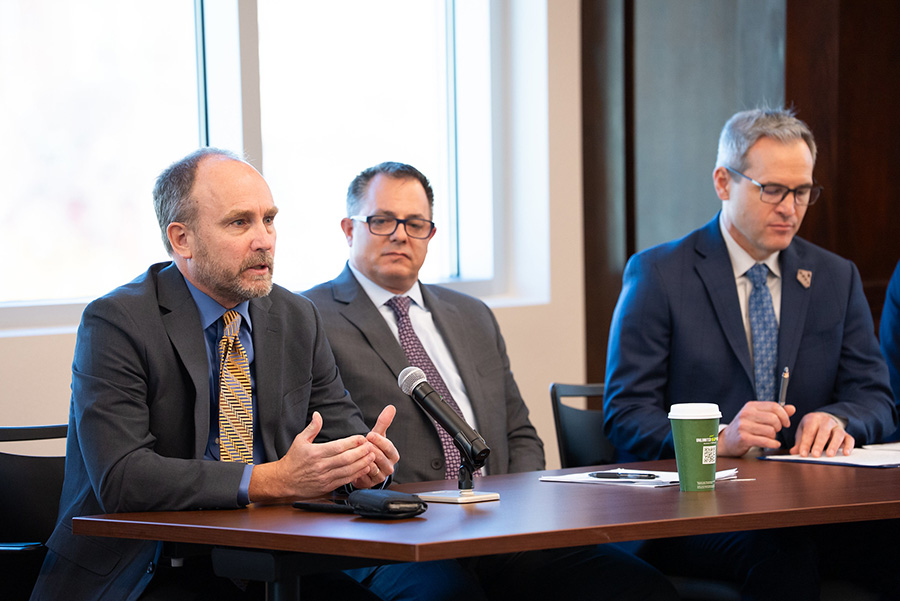
Sean McKenna speaking on a panel with two others with a microphone in front of him.

DRI Holds Water Panel at Nevada State Legislature

On March 27, DRI scientists gathered at the State Capitol to illuminate work that supports Nevada’s communities and landscape. With more than 600 scientists, engineers, students, and staff across our Reno and Las Vegas campuses, we conducted more than $52 million in sponsored research focused on improving peoples’ lives in 2024 alone.

A worker in yellow vest wanders the rubble left of a home after the Eaton fire.

What’s in the Burnt Remains of the LA Wildfires?

DRI scientists deployed to Los Angeles to collect ash, soil, and dust samples from burn zones in the hopes of illuminating the unique risks of wildland-urban fires. These urban fires presented a unique opportunity to understand how materials like plastics, metals, and even lithium batteries from electric cars can transform into environmental contaminants when they burn.

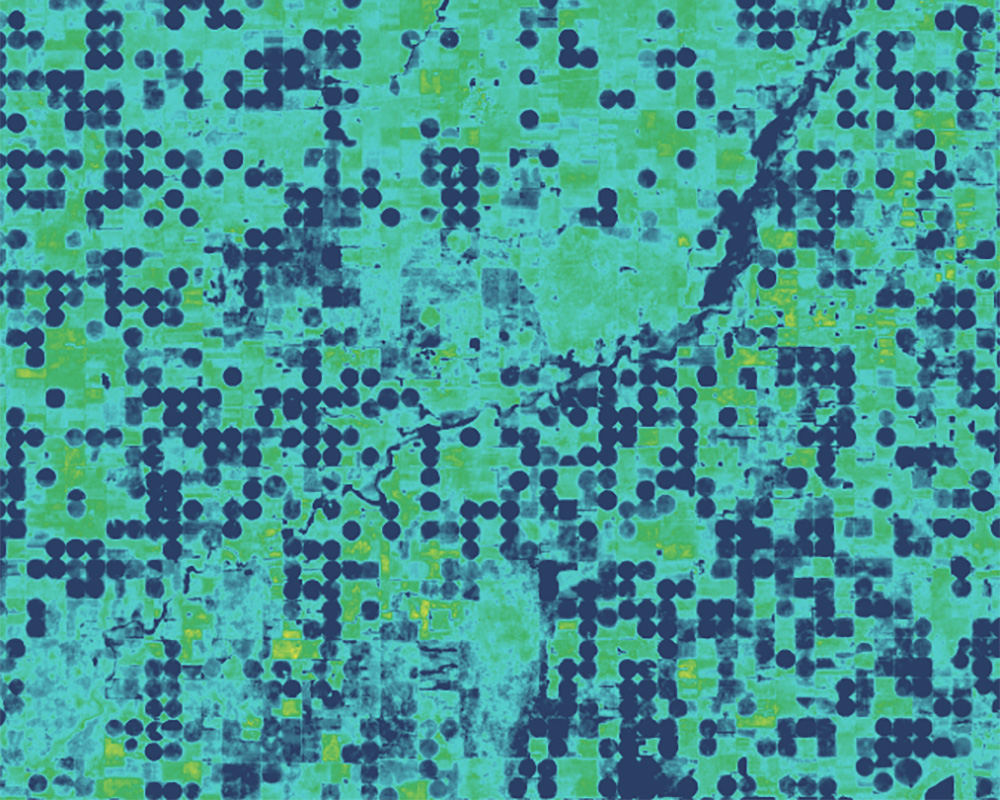
Satellite image from OpenET that displays a map of blue and green circles.

OpenET’s New CEO, Sara Larsen, Discusses the Future of the Revolutionary Water-Monitoring Initiative

OpenET, a nonprofit initiative focused on improving water management with accessible, satellite-based evapotranspiration (ET) data, has welcomed Sara Larsen as the new CEO. DRI sat down with Sara to discuss what makes the initiative unique, her plans for the organization, and how OpenET can help address the biggest challenges in water management.

A presenter stands at the front of a conference room with attendees sitting at tables.

DRI Scientists Work to Protect Miner Health and Safety Across Nevada

To help protect miners and assist mine managers in reducing hazardous exposures, DRI scientists Xiaoliang Wang, Judy Chow, and John Watson are conducting free trainings to raise awareness about health risks and effective protection methods. Data from the Mine Safety and Health Administration (MSHA) show that as much as 27% of miners are overexposed to air contaminants.