LAS VEGAS — Today, the U.S. Environmental Protection Agency announced the selection of Nevada’s System of Higher Education (NSHE) Board of Regents at the Desert Research Institute (DRI) to receive a competitive grant for environmental education in Nevada. This organization has been chosen for its exceptional work in promoting youth ecological stewardship and environmental education, with the grant supporting a project to mitigate microplastics in Nevada waterways.
“This year’s grant recipient brings to life the most innovative and effective ideas to engage Nevada’s youth in addressing today’s urgent environmental challenges,” said EPA Pacific Southwest Regional Administrator Martha Guzman. “EPA is so proud to support this organization’s efforts to make progress toward a future with clean air, clean water, and land for all.”
The funding for the DRI is one of 38 grants nationwide being announced today by EPA. The projects supported by these grants aim to increase public awareness of environmental issues and provide skills so participants can make informed decisions and take responsible actions toward the environment.
Board of Regents, NSHE DRI – Mitigating Microplastics
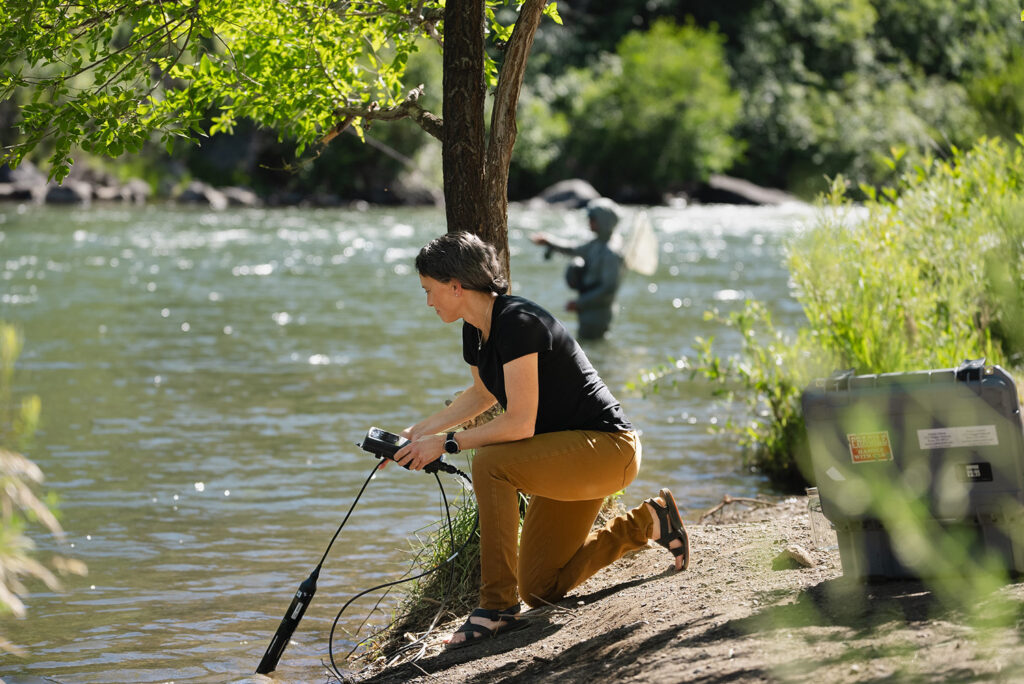
EPA is awarding $100,000 to DRI to increase Nevada’s environmental literacy through science, technology, engineering and mathematics educational interventions to address microplastic pollution in Nevada’s waterways. The goal of this project is to increase stewardship through STEM-based environmental education.
“DRI is honored to be awarded this EPA grant, and we are eager to begin our outreach to underserved rural and urban communities across Nevada,” said DRI STEM Education Program Manager Emily McDonald-Williams. “Middle school students and their families will learn about emerging environmental concerns and how to make informed decisions to help mitigate environmental issues.”
EPA Environmental Education Grants
Since 1992, EPA has distributed between $2 million and $3.7 million in EE grant funding each year, for a total of over $95.1 million supporting more than 3,960 projects. The program traditionally provides financial support for projects that design, demonstrate or disseminate environmental education practices, methods or techniques. For more information visit: https://www.epa.gov/education.
The EPA is funding 38 organizations nationwide with over $3.6 million. The funding will range from $50,000 to $100,000, to organizations that provide environmental education activities and programs. This year’s grantees will conduct project activities in 28 states and the Republic of Palau, America Samoa, the Commonwealth of the Northern Mariana Islands, and Guam.
To learn more about current and past award winners, or to apply for future EE grant competitions, visit: https://www.epa.gov/education/environmental-education-ee-grants. This website will be updated as future competitions are announced and additional grants are awarded.
Learn about EPA’s Pacific Southwest Region.