
Research Areas
Working to Solve our Most Challenging Environmental Problems
DRI’s research calls on the expertise and methods of scientists from multiple scientific disciplines.
More than 600 highly-skilled scientists, engineers, technicians, students, and staff work collaboratively within and across three research divisions and a STEM Education program, focused on understanding and answering critical science questions about global climate change, water quality and availability, air quality, the sustainability of desert lands, life in extreme environments, education, and more.

Air Quality
Understanding air quality issues of regional, national, and planetary interest.
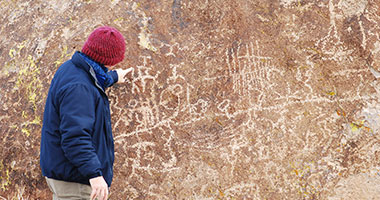
Archaeology
The study of human history and prehistory and the analysis of artifacts and other physical remains.
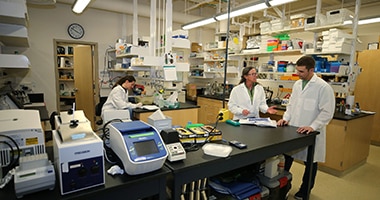
Astrobiology
The study of life in the universe.
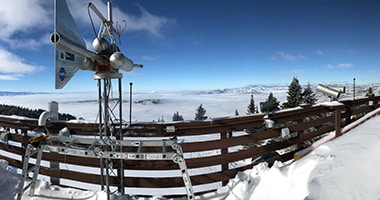
Atmospheric Modeling
Modeling, and predicting weather and climate at different spatial and temporal scales
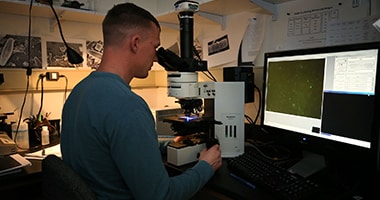
Biology
Studying the complex interactions and distribution of living organisms on Earth and beyond.
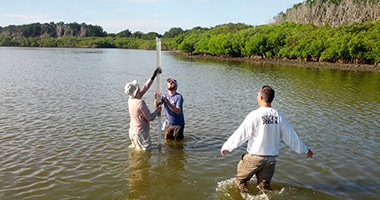
Ecological Engineering
Understanding and mitigating the impacts of human activities on the natural environment.
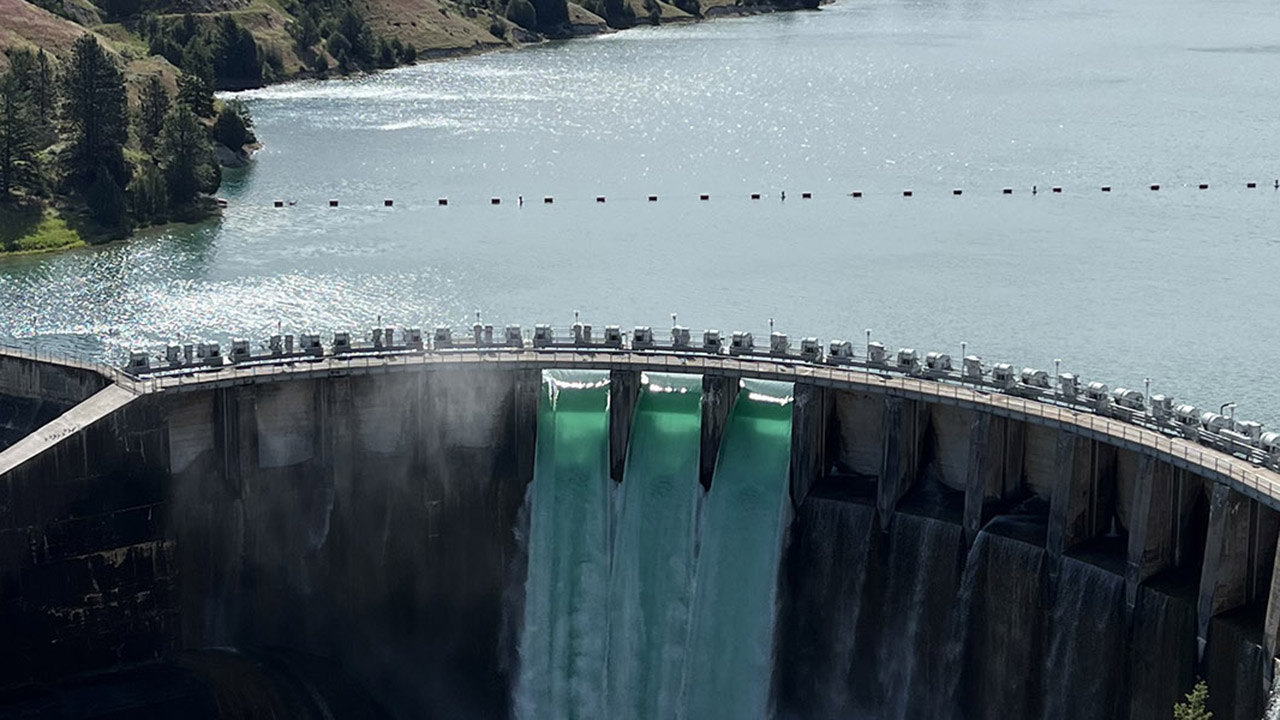
Extreme Event Risks to Energy Systems
At DRI, our scientists study the forces shaping our water, air, and ecosystems—from droughts and floods to wildfire impacts and changing climates.
Genomic Medicine & Health Sciences
Integrating personal healthcare and environmental data with socioeconomic determinants.
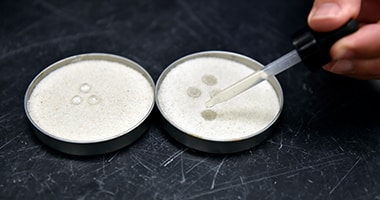
Geochemistry
Researching rock-water interactions that affect water quality and dissolved constituent transport.
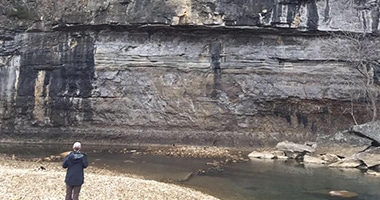
Geology
DRI contains one of the most diverse Quaternary research programs worldwide.

Geostatistical Analysis
Environmental and meteorological applications to predict temperatures, rainfall, and other variables.
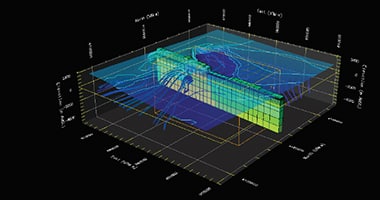
Groundwater
Researching flow, heat and solute transport modeling activities in porous and fractured geologic media.
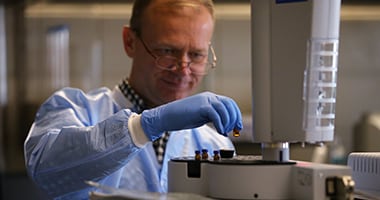
Health Effects of Pollution Exposure
Characterizing and quantifying air pollutants and evaluating the exposure of humans to air pollutants.
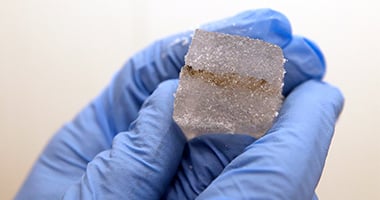
Hydrogeology
Groundwater resource evaluation, contaminant and reactive transport, and geochemical evolution.
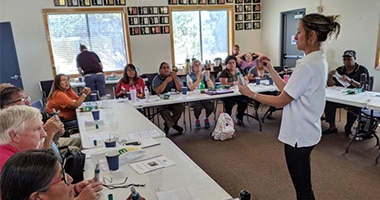
Informal Education
Practical learning that incorporates place-based resources, active participation, and out-of-classroom educational opportunities.
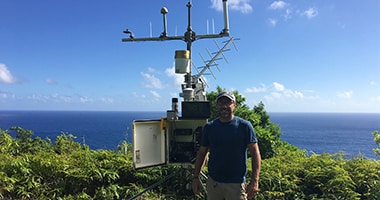
Meteorology
The study of the atmosphere for weather processes and forecasting
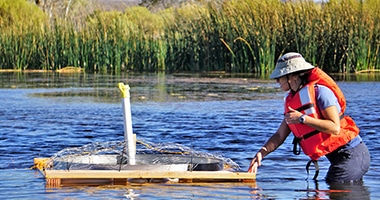
Natural Resources Sustainability
Providing data and analysis to aid in land use planning, water management, environmental conservation, and community sustainability.
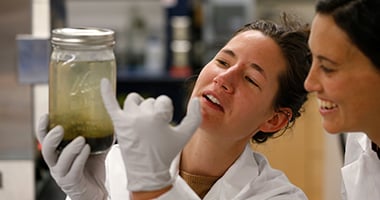
Pollutant Characterization
Isolating and identifying pollutants and contaminants in the air and water.
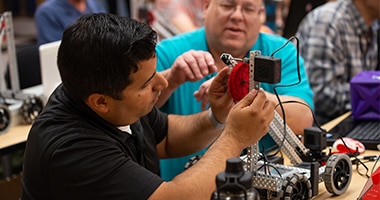
PreK-College Education Outreach
Providing STEM education resources, training, and interventions to educators, students and families across the state.
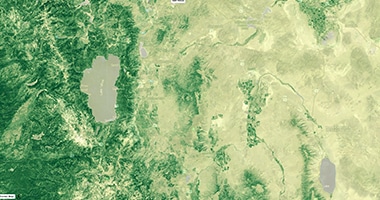
Remote Sensing
Monitoring and analysis of Earth’s environments from a distance using images collected by aircraft or satellites.
Social Science
The study of human institutions, interactions, behaviors, and the effective application of research projects and products
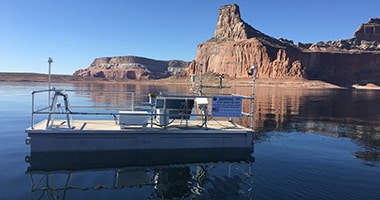
Water Resource Management
Understanding the movement, consumption, and cycling of Earth’s surface waters and groundwater.
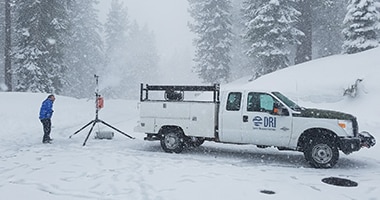
Weather Modification
Enhancement and analysis of natural water supplies to support ecosystems and communities.
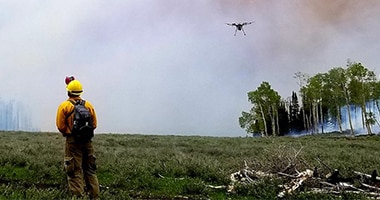
Wildland Fire Sciences
Understanding the causes, consequences, and benefits of wildfire on a changing planet.