We envision a world in which trust between scientists and the public forms the basis for a more sustainable and resilient environment for all people to live, grow, and prosper.

DRI Launches New Corporate Partners Program
DRI is thrilled to announce that Formula 1 Las Vegas Grand Prix is our first official Corporate Partner. “Formula 1 Las Vegas Grand Prix is excited to join DRI’s Corporate Partners program. This partnership aligns well with our sustainability goals and we look forward to working with DRI in the year ahead.” – Lori Nelson-Kraft, Senior Vice President of Corporate Affairs, Formula 1 Las Vegas Grand Prix.

Kristin VanderMolen Receives the Regent Emeritus Jason Geddes Rising Researcher Award
DRI scientist Kristin VanderMolen, Ph.D., has been awarded the 2025 Rising Researcher Award in recognition of her outstanding early-career accomplishments and potential for advancing scientific knowledge in the field of applied anthropology.
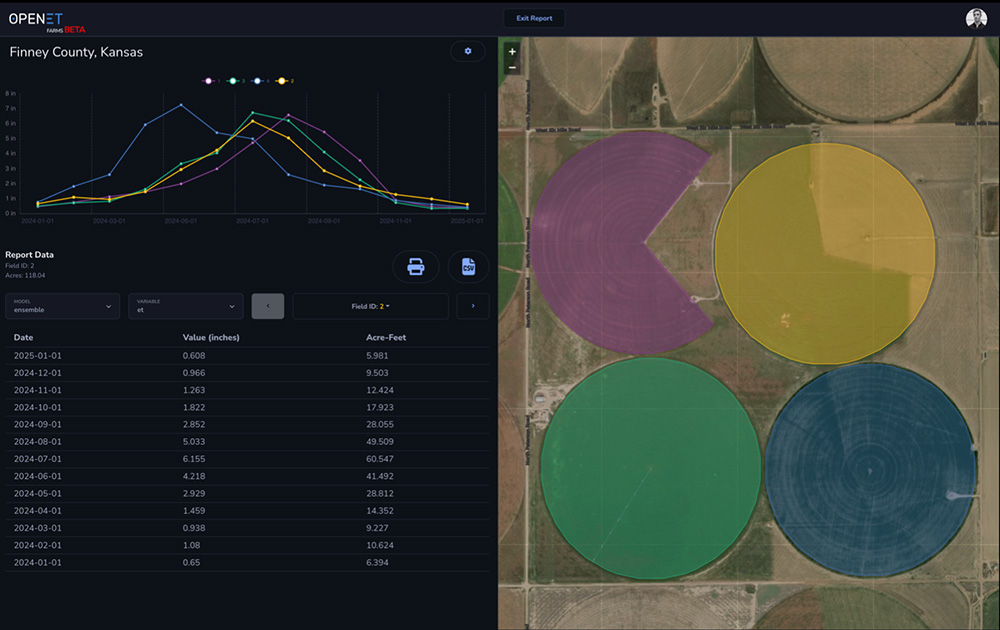
FARMing with Data: OpenET Launches New Tool for Farmers and Ranchers
A NASA, DRI, and U.S. Geological Survey (USGS)-supported research and development team is making it easier for farmers and ranchers to manage their water resources. The team, called OpenET, created the Farm and Ranch Management Support (FARMS) tool, which puts timely, high-resolution water data directly in the hands of individuals and small farm operators.
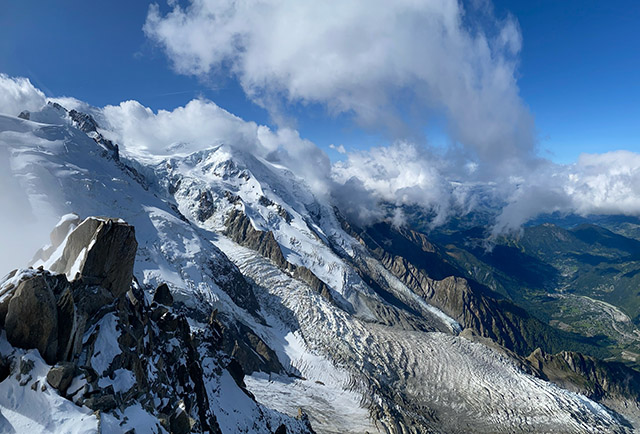
Research Highlights
Check out our latest Research Highlights 2026 Volume 1 Storymap to see a selection of DRI's science that matters now.
A FREE FAMILY-FRIENDLY COMMUNITY EVENT!
FRIDAY, MAY 1, 2026
DRI LAS VEGAS CAMPUS FROM 4-7 P.M.
Support Science that Matters Now
Your support enables DRI scientists to dream bigger and grow their ideas into impactful solutions that benefit us all.
DRI presents a series of community-based events across Nevada that celebrate how science shapes our lives, fuels creativity, and deepens our understanding of the world by underscoring the transformative power of curiosity and knowledge.
Learn more and purchase tickets!
All Upcoming Events
More than 60 years of scientific discovery and innovation, in Nevada and around the world
Since 1959, the faculty, students, and staff at DRI have advanced scientific knowledge to help solve pressing environmental challenges and improve human health. With more than 600 employees, over 300 projects on all seven continents, and two world-class research campuses in Reno and Las Vegas, DRI serves as one of the eight institutions in the Nevada System of Higher Education.
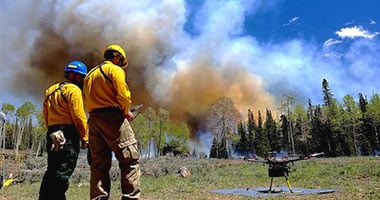
Atmospheric Sciences
Research and services related to air quality and associated health risks, climate, cloud and aerosol physics, renewable energy, fire science, and atmospheric dynamics.
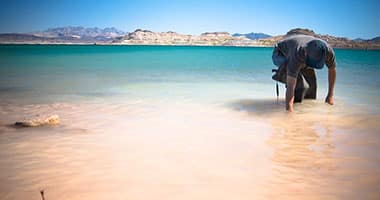
Hydrologic Sciences
Research, development, and education services contributing to society’s fundamental understanding of hydrologic systems and advancing the sustainability of water resources.
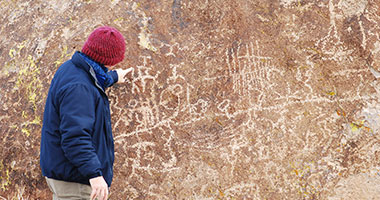
Earth & Ecosystem Sciences
Research in the life & earth sciences, particularly those dealing with the complex interactions of geological processes, organisms, biological communities, and human societies.
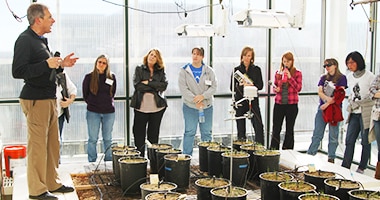
Education & Workforce Development
Training Nevada's K-12 teachers and providing professional development opportunities and training for education-based activities.
Environmental Research Areas
DRI faculty and staff work in over 40 scientific fields on all seven continents.

40 Laboratories and Facilities
DRI has more than 40 specialized labs and facilities on research campuses in Reno and Las Vegas.

60 Years of Scientific Excellence
Since 1959, DRI has contributed to solving our toughest environmental challenges.
As a non-profit, we rely on your support.
By making a gift to DRI, you’re providing the resources our scientists need to better understand and address the challenges posed by our changing planet.