Life in Antarctica
Antarctic Ascidian-Microbiome-Palmerolide Association
A2MP
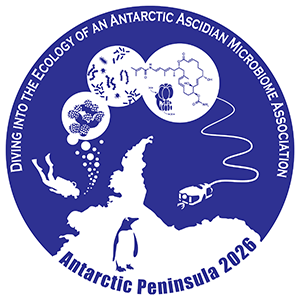
Diving into the ecology of an Antarctic ascidian-microbiome-palmerolide association using a multi-omic and functional approach
PROJECT LEADS:
Alison Murray, Lead
Desert Research Institute (DRI)
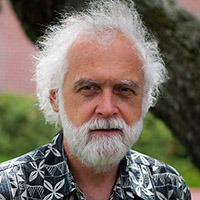
Bill Baker, Co-PI
University of South Florida (USF)
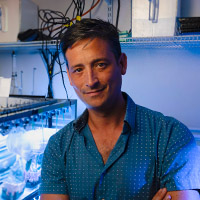
Martin Tresguerres, Co-PI
Scripps Institution of Oceanography (SIO), UCSD
PROJECT DESCRIPTION:
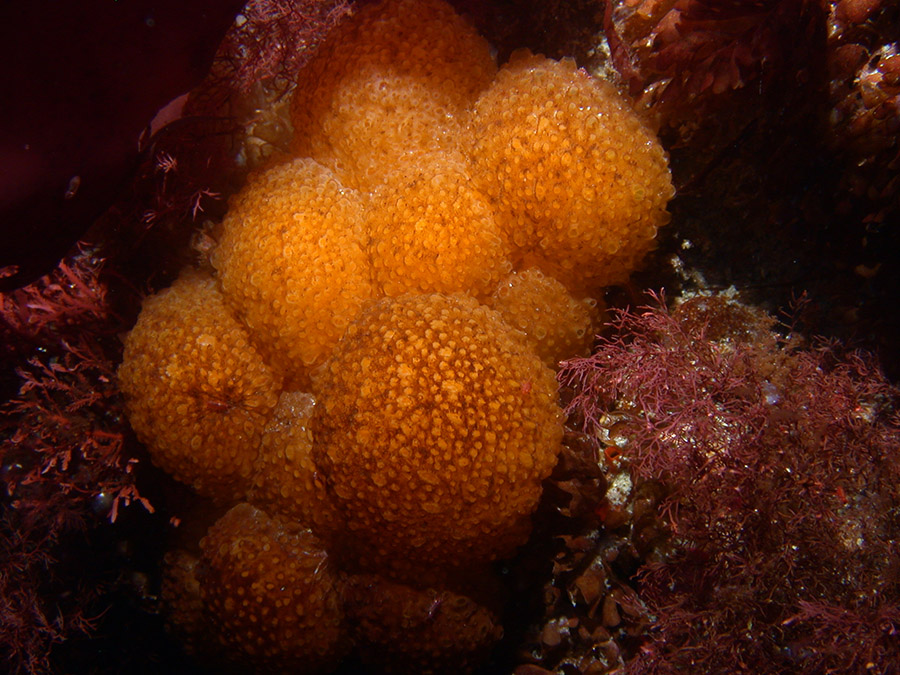
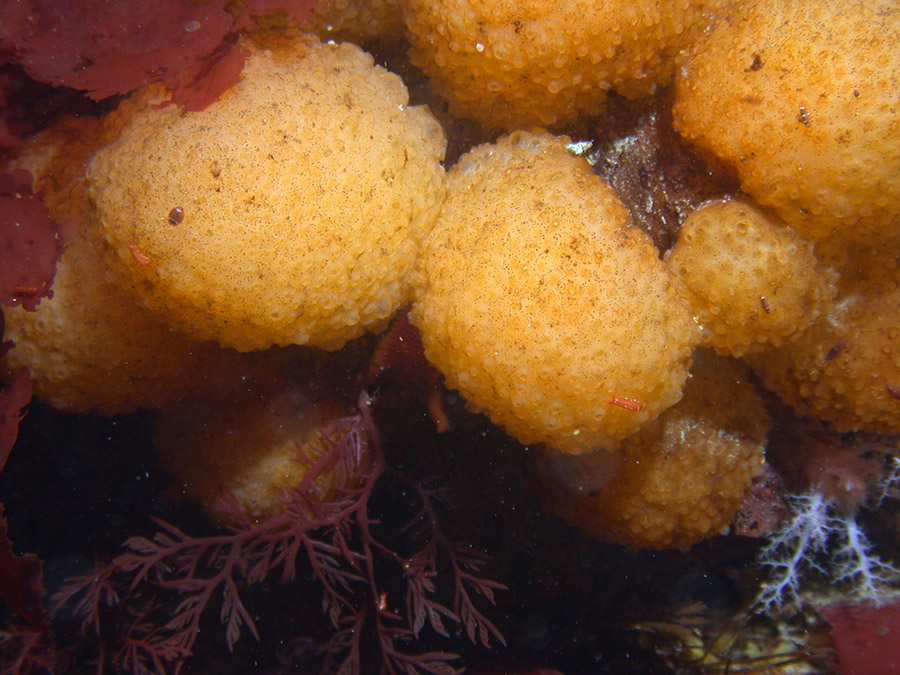
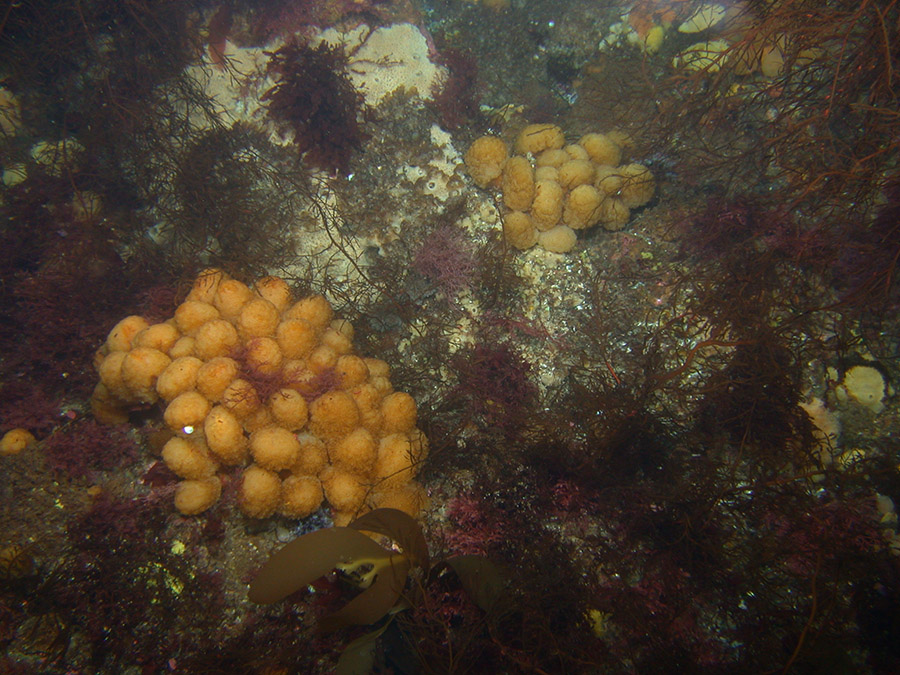
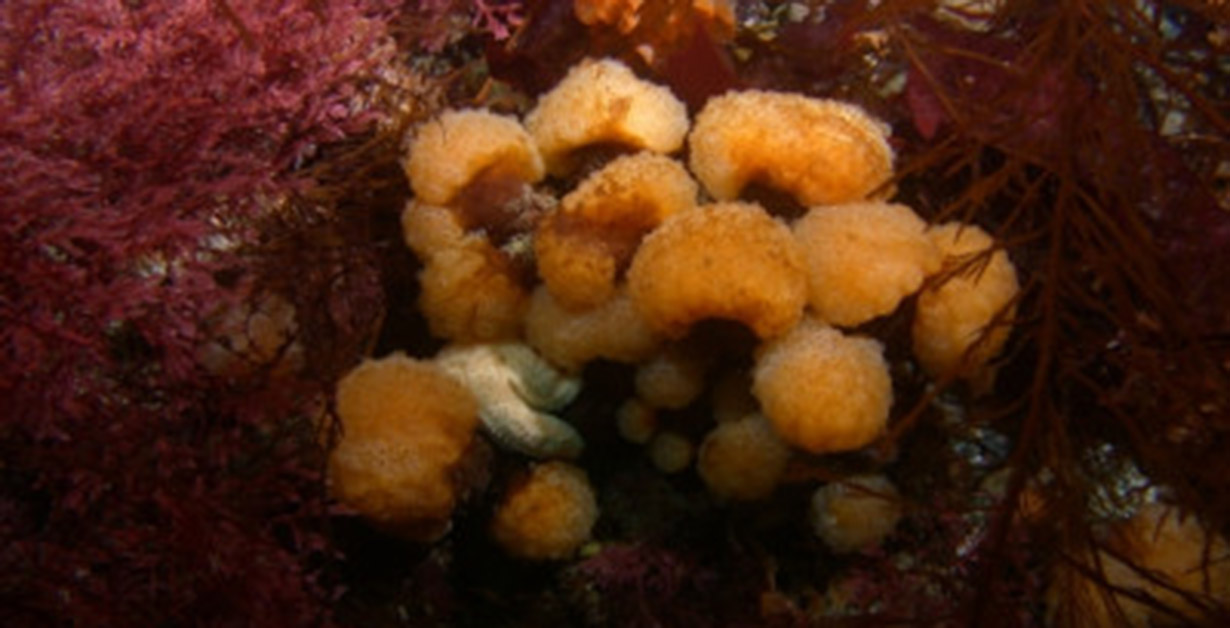
This project will study an emerging biosynthetic system – a polar ascidian (Synoicum adareanum) and its microbiome, with specific attention paid to the sole microbial producer of palmerolide A (palA), Synoicihabitans palmerolidicus. PalA is a bioactive natural product (hybrid NRP-PKS) with activity against the proton-pumping enzyme V-type H+-ATPase (VHA).
The objectives of our project include:
(i) Determining the microbiome composition, metabolome complexity, palA levels, and mitochondrial DNA sequence of S. adareanum morphotypes at sites in the Antarctic Peninsula,
(ii) Characterizing the Synoicum microbiome using a multi-omics strategy,
(iii) Assessing the potential for localization of the microbe S. palmerolidicus-palA-VHA in host tissues, anD
(iv) Exploring the role of palA in modulating VHA activity in vivo and its effects on ascidian-microbe ecophysiology.
PROJECT IMPACT:
The project results will inform the geo-spatial distribution, cellular localization, ecological and physiological role(s) of this intimate host-microbial association in which the ascidian host bioaccumulates VHA-inhibiting palA. Likewise, a knowledge-base of microbial processes in this multispecies core microbiome and of the pal biosynthetic gene cluster (BGC) as it interacts with its Antarctic ascidian host microbiome will be developed. In addition to elucidating the ecophysiological roles of palA in their native ascidian-microbe association, the results will contribute to the success of translational science, which aligns with NSF’s interests in promoting basic research that leads to advances in Biotechnology and Bioeconomy. The project will provide new opportunities for early career students and postdoctoral researchers to participate in field and laboratory-based research that builds an integrative understanding of Antarctic marine biology, ecology, physiology, and chemistry.
PROJECT PERSONNEL:
ANTARCTIC FIELD PROGRAM:
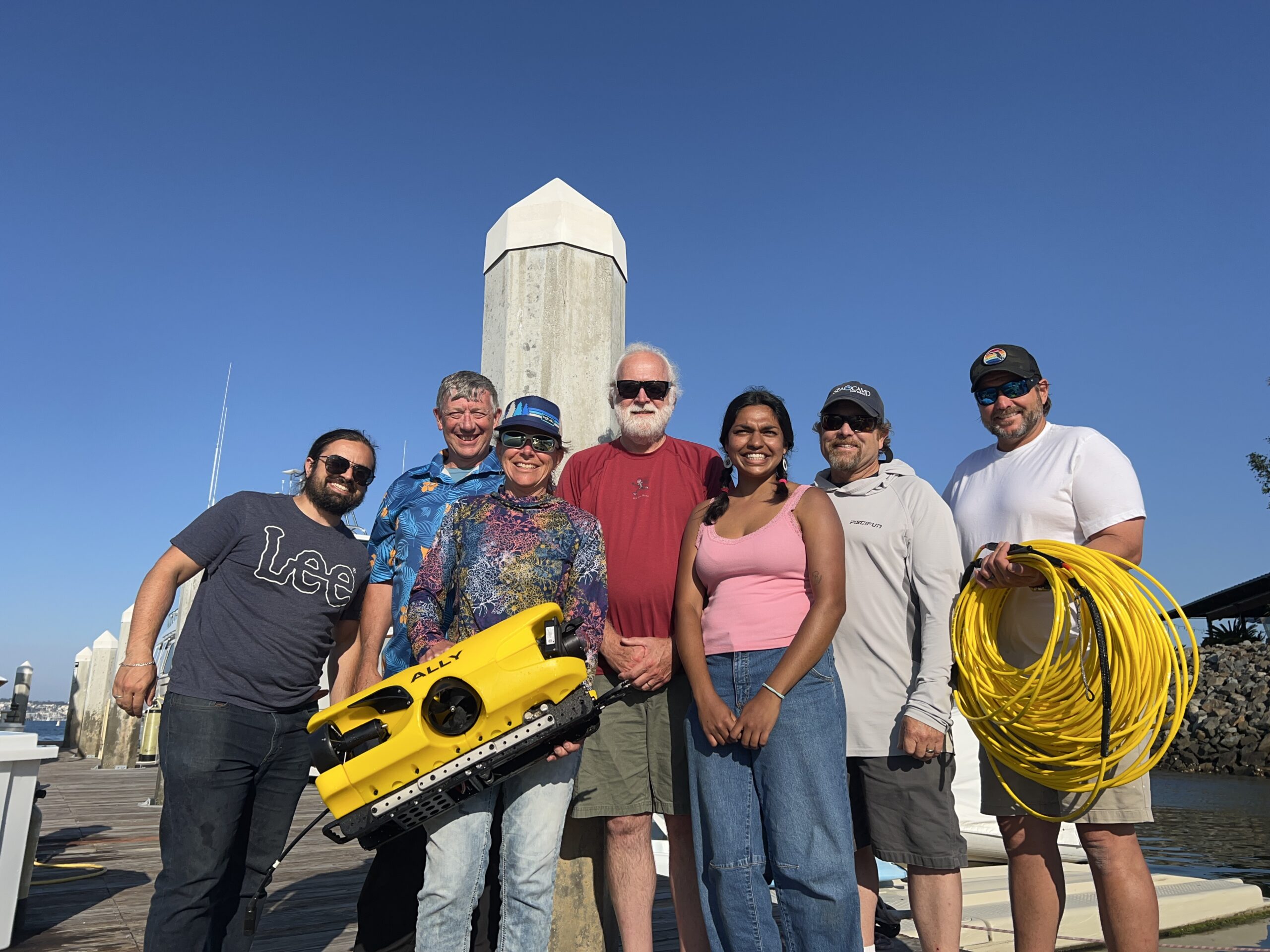
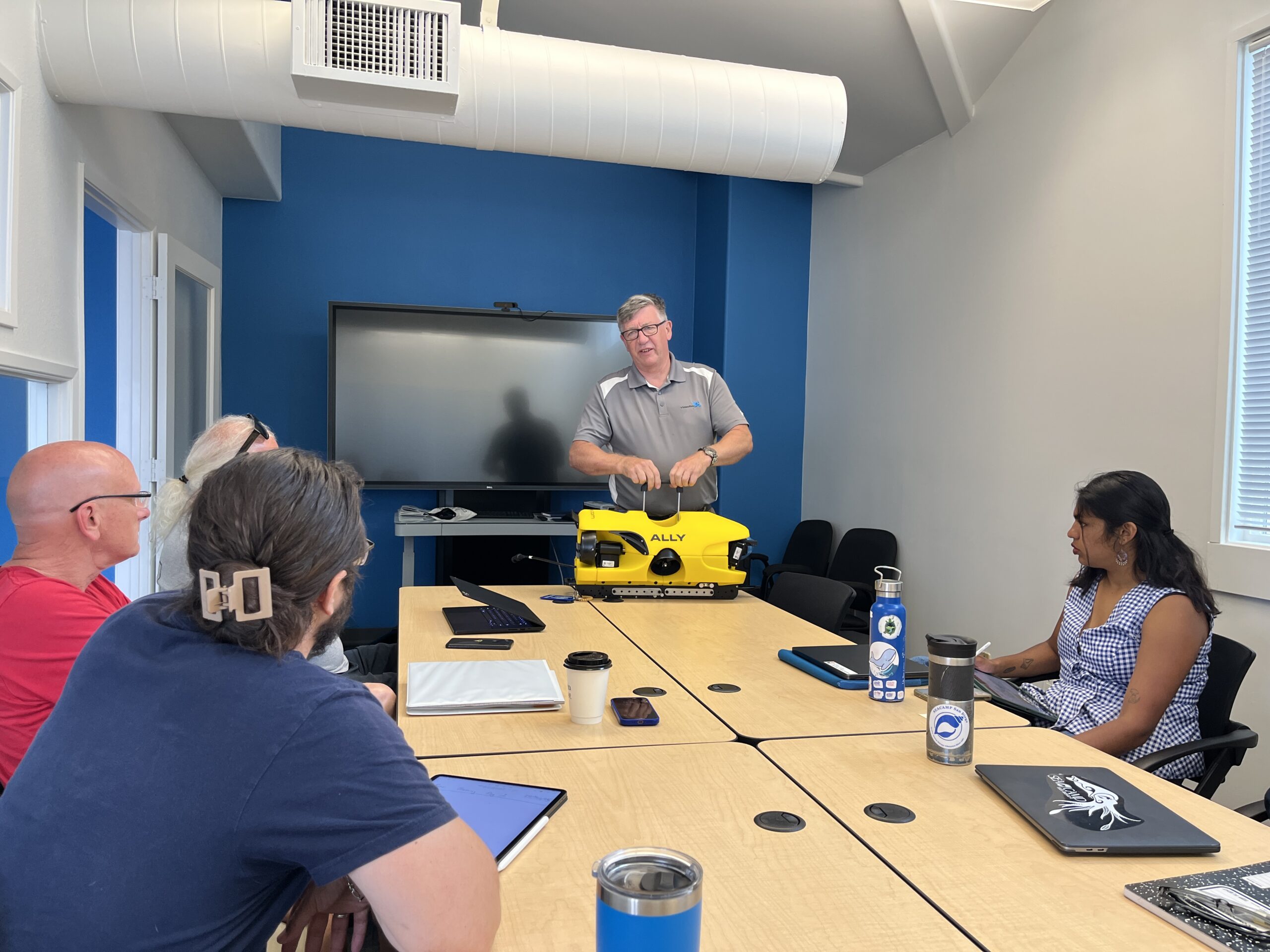
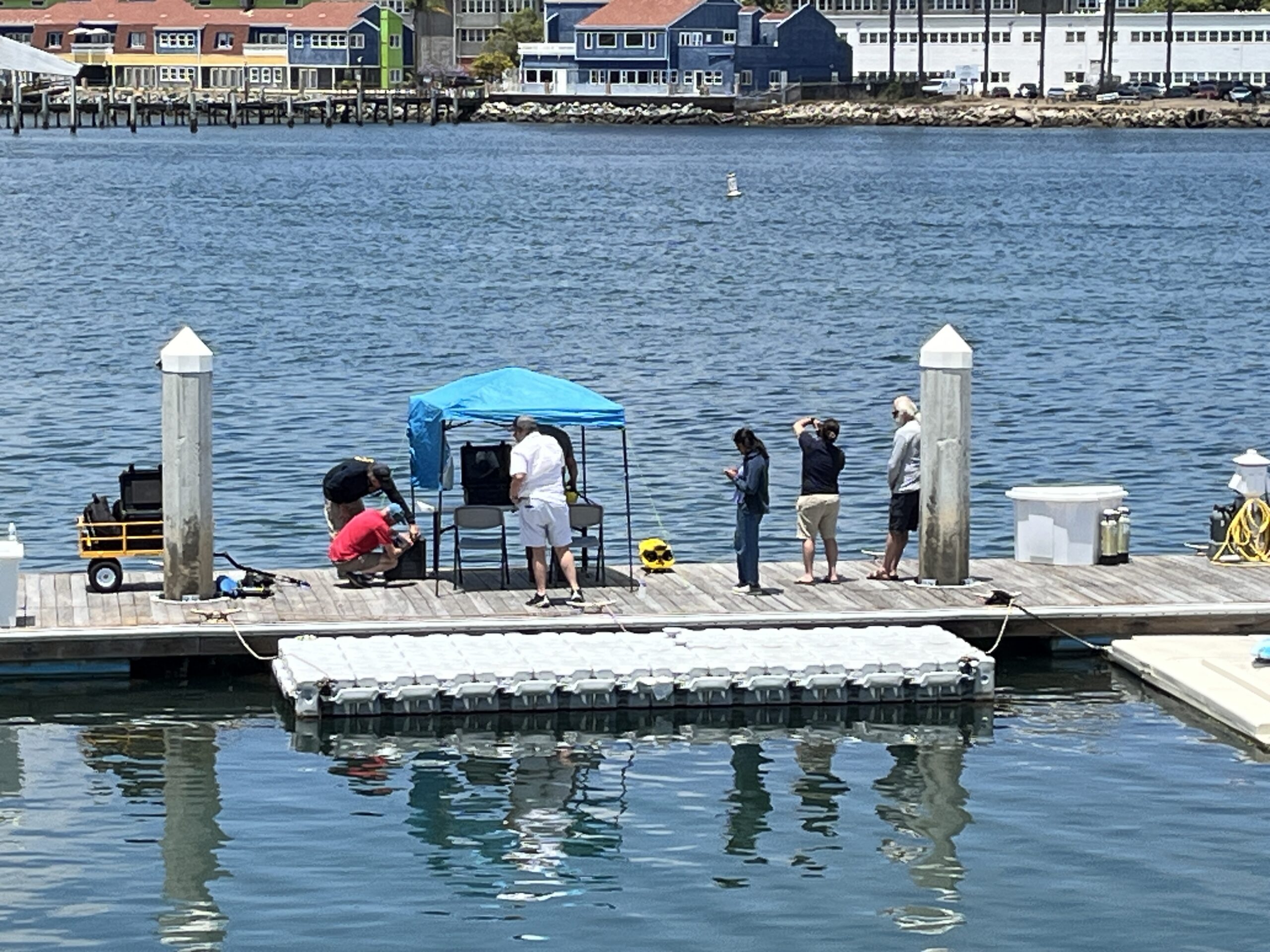
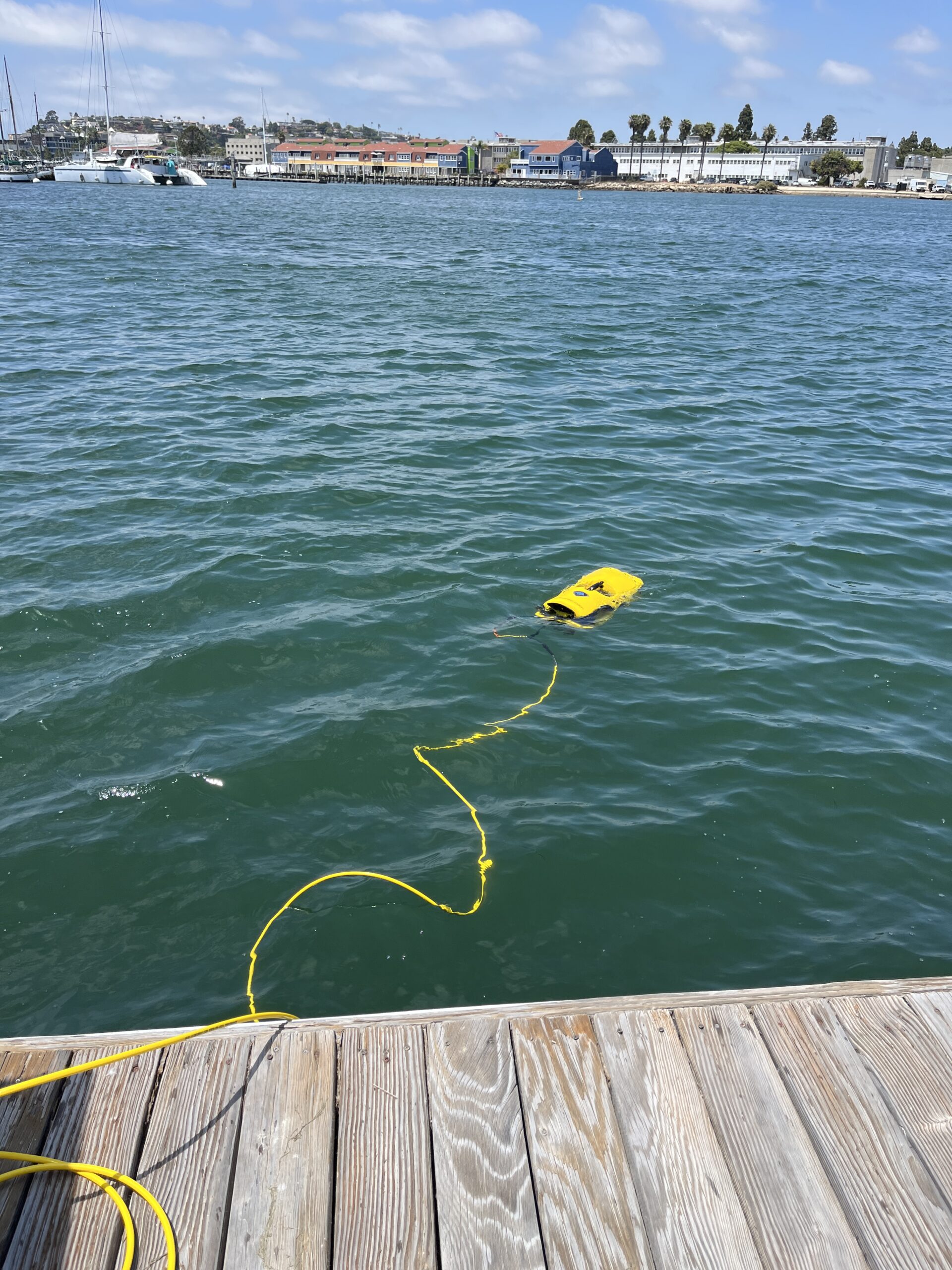
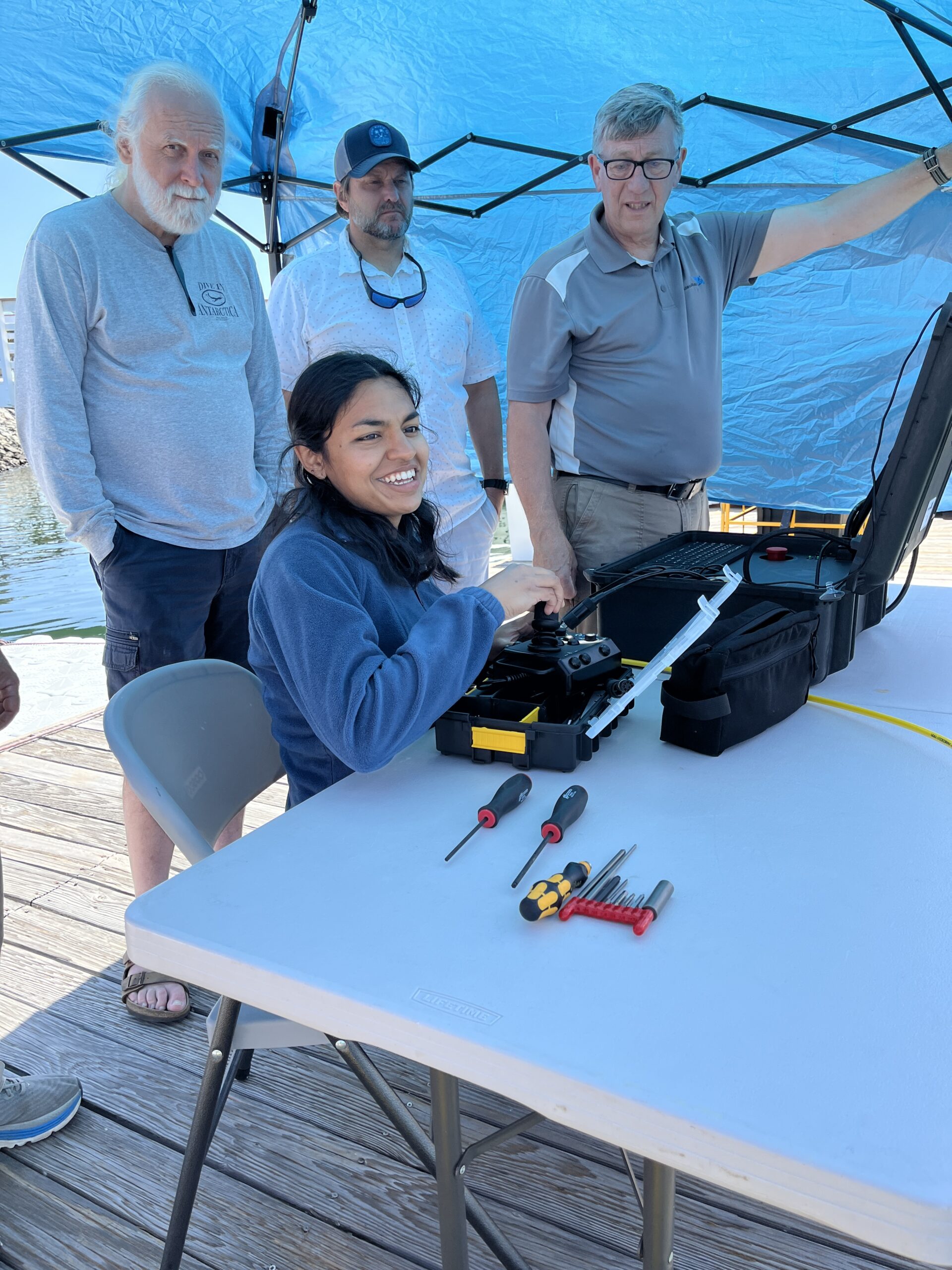
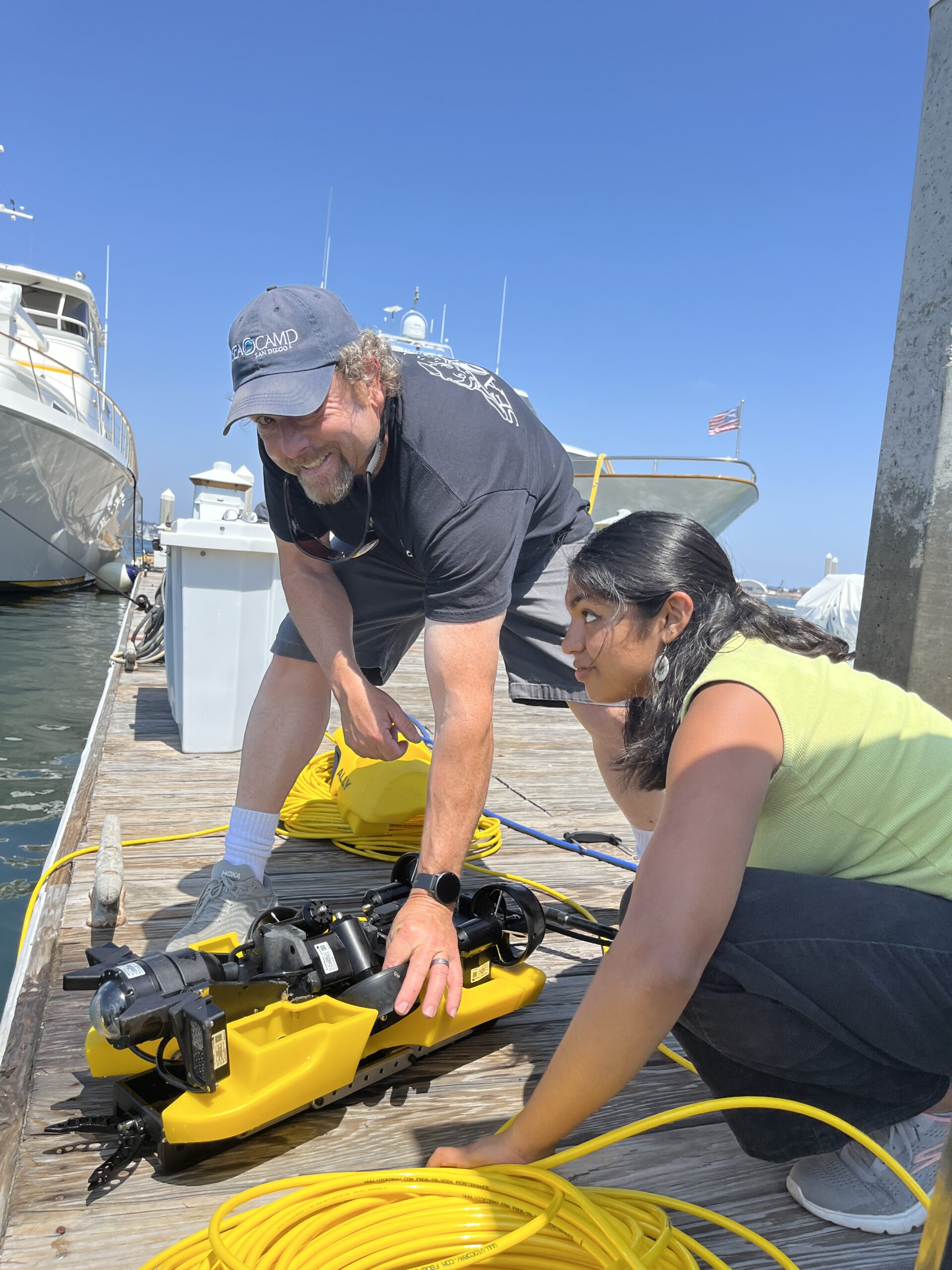
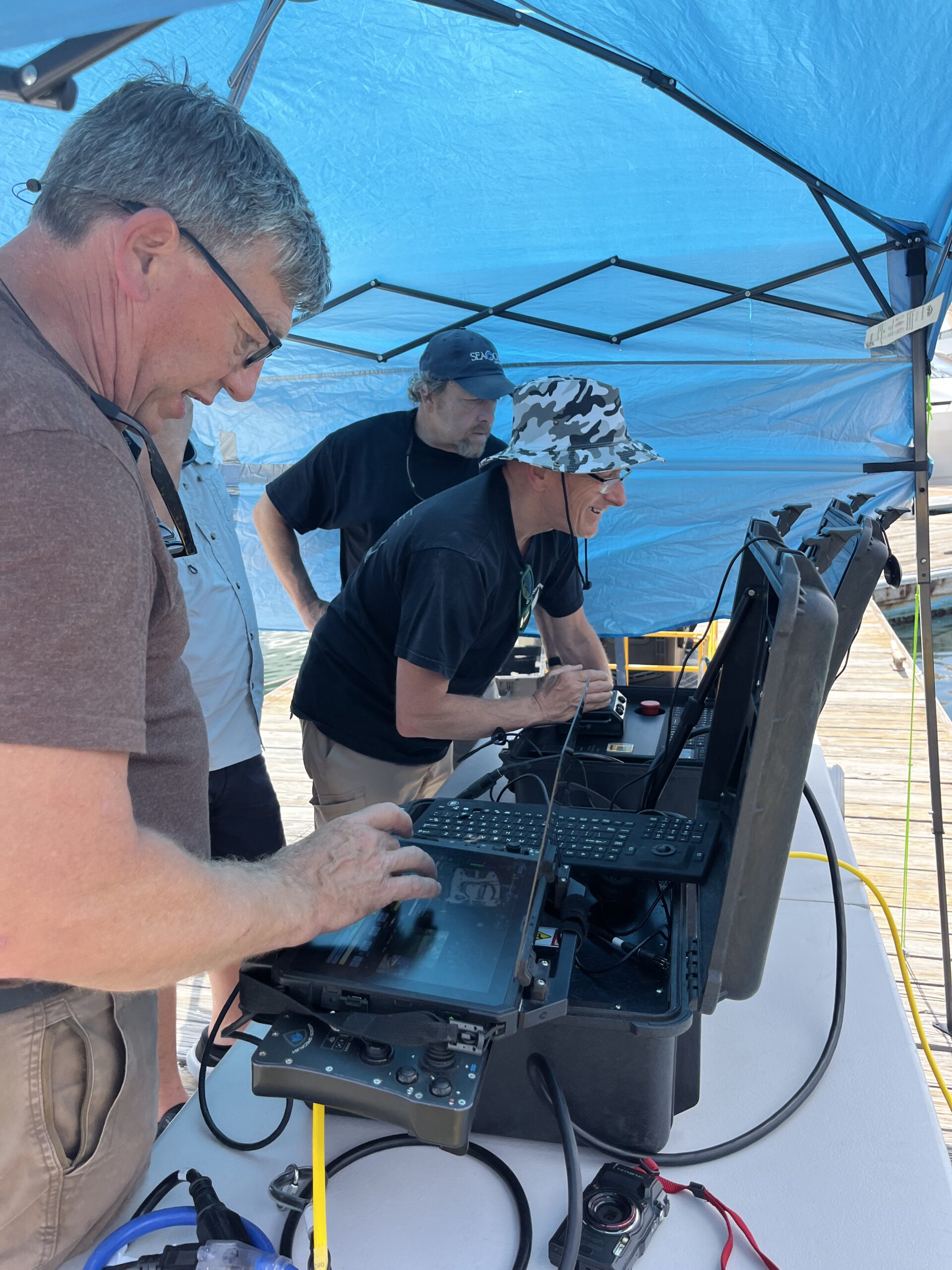
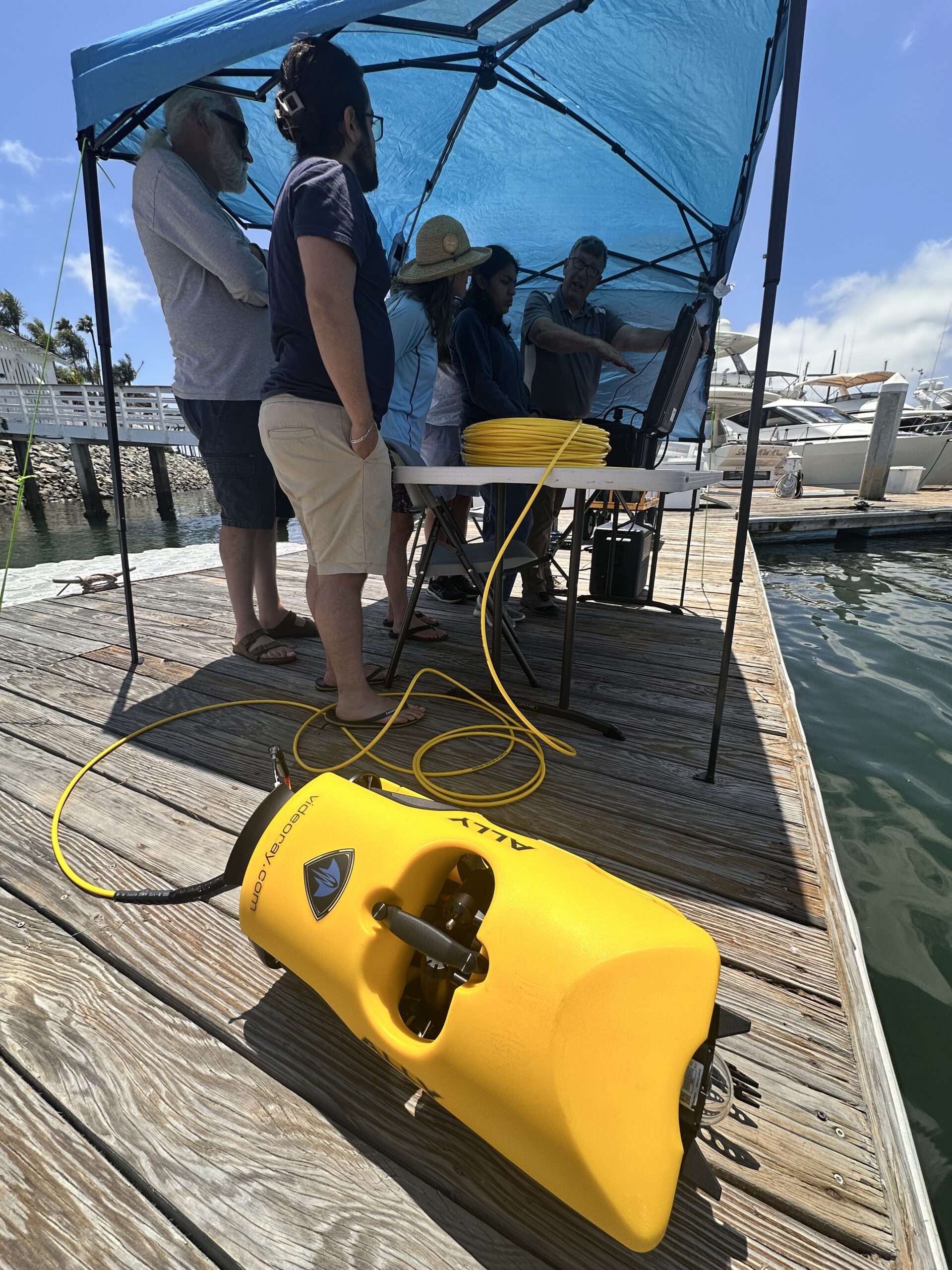
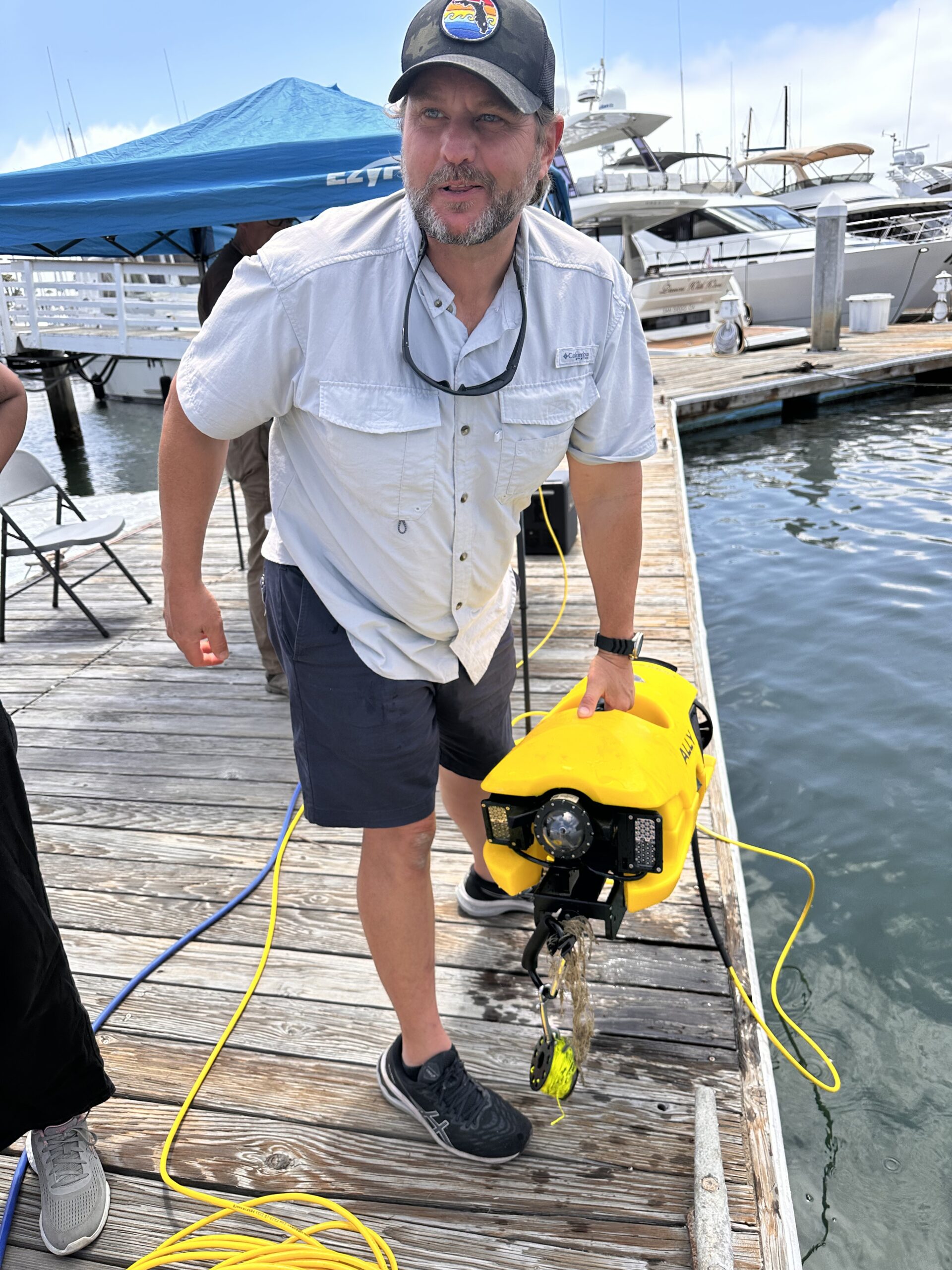
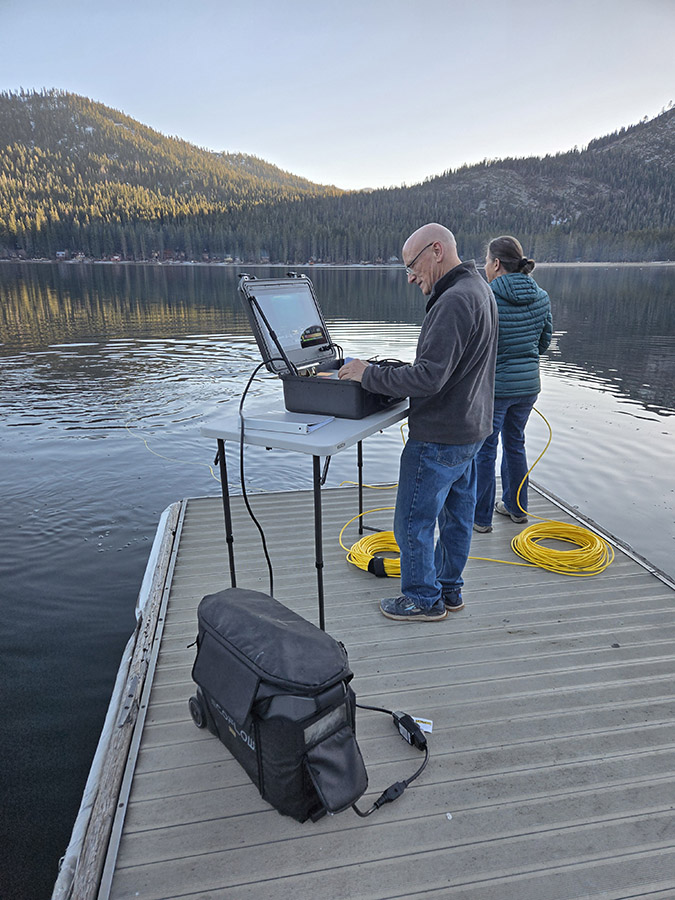
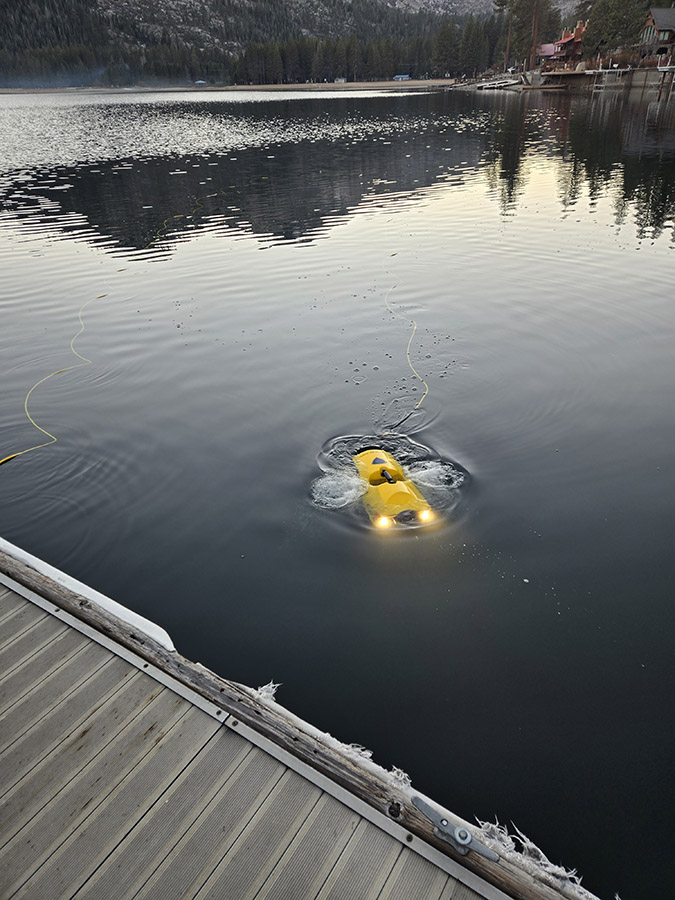
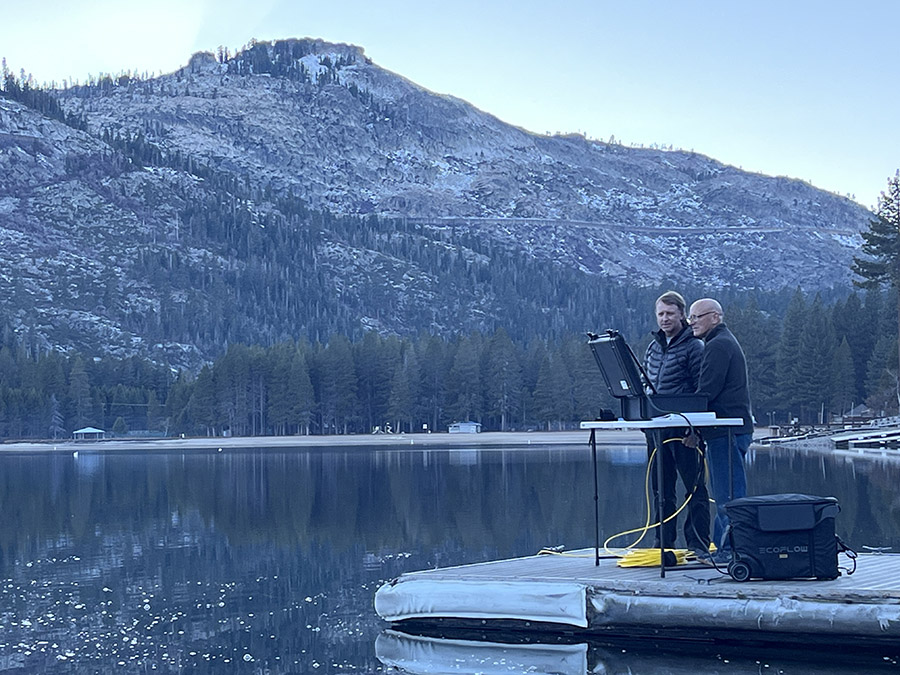
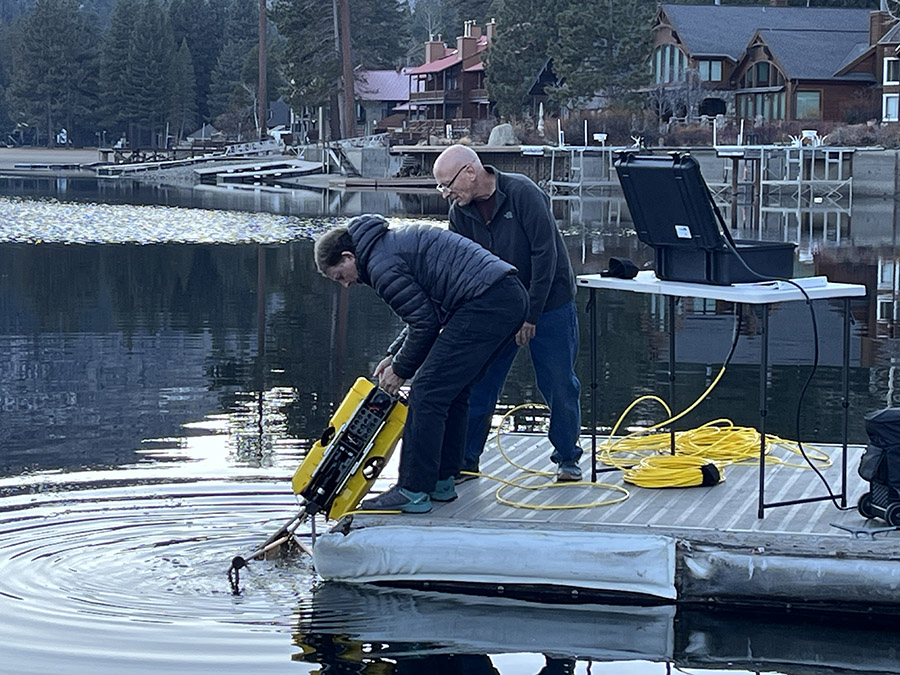
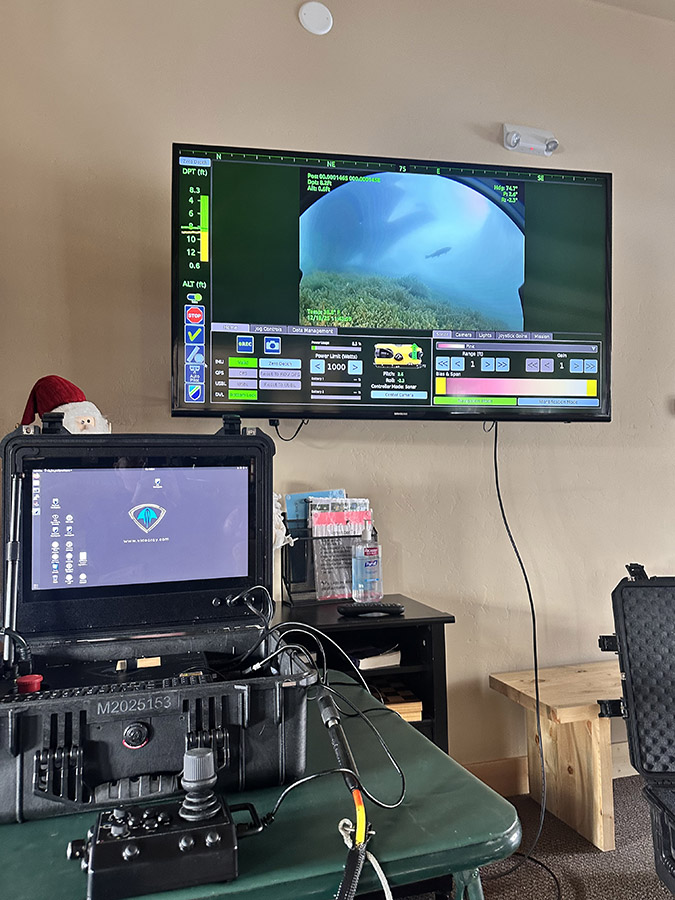
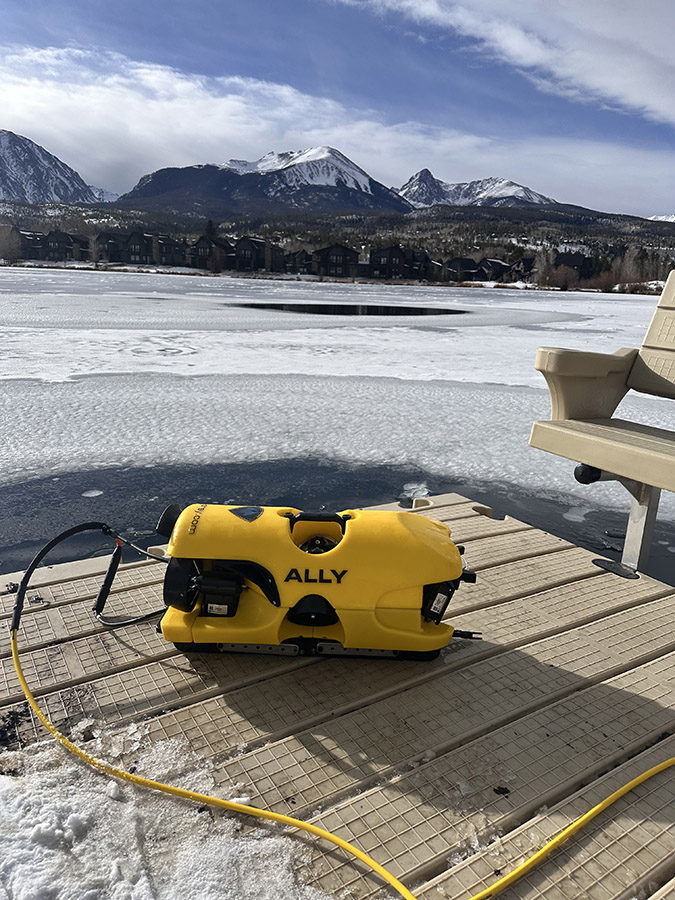
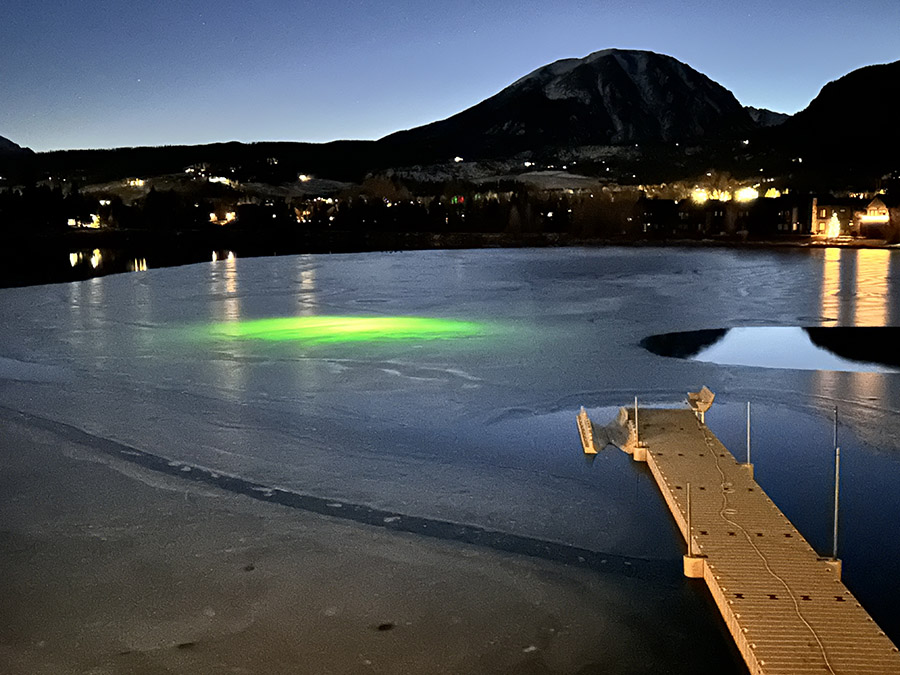
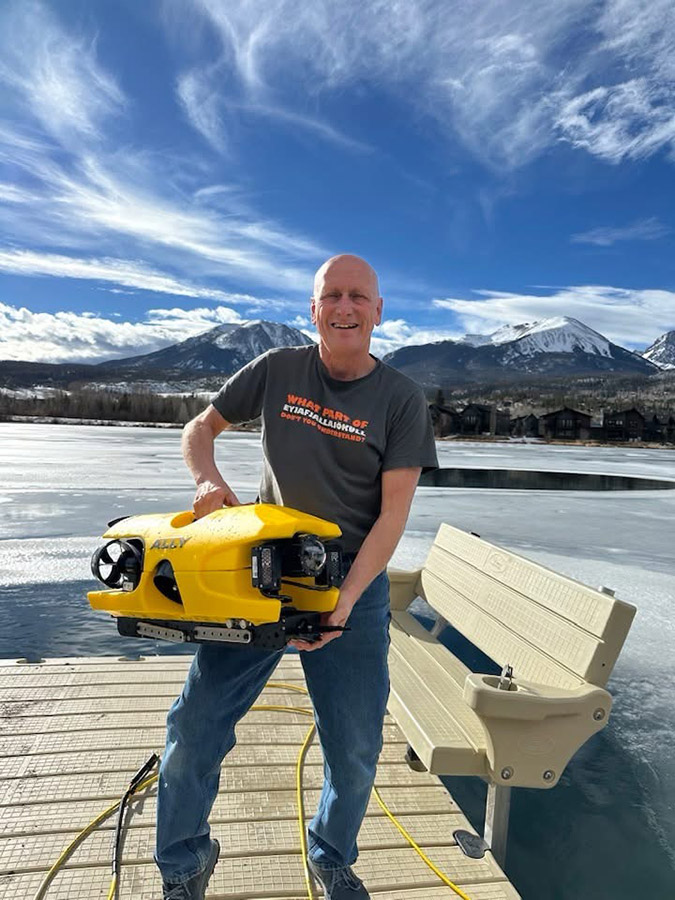
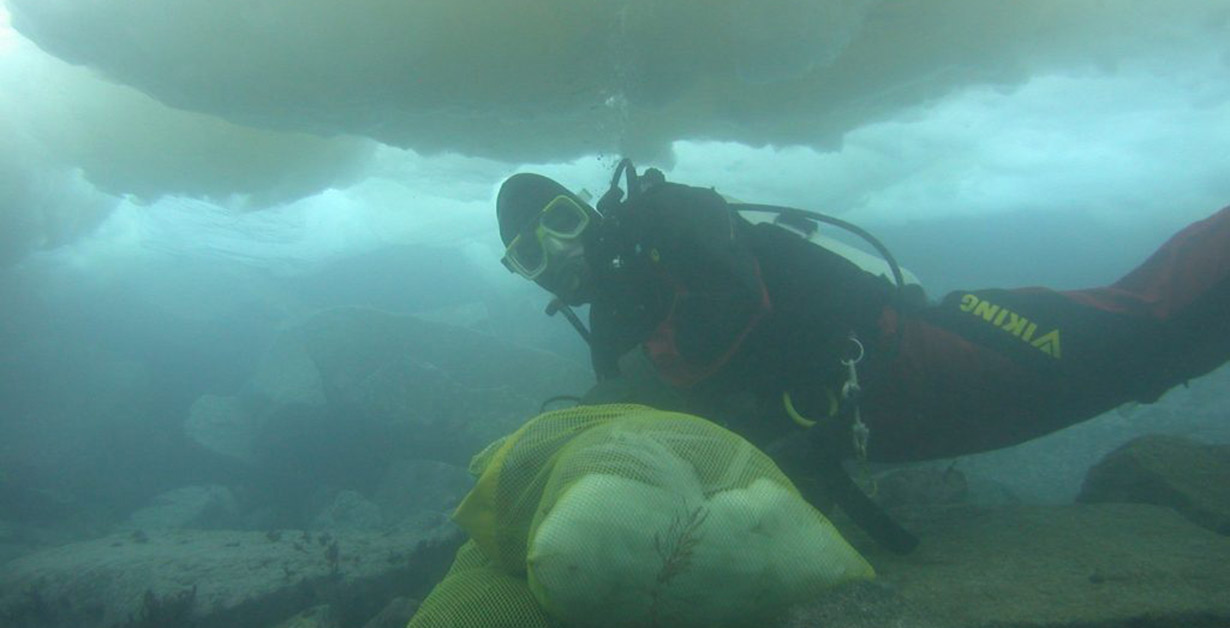
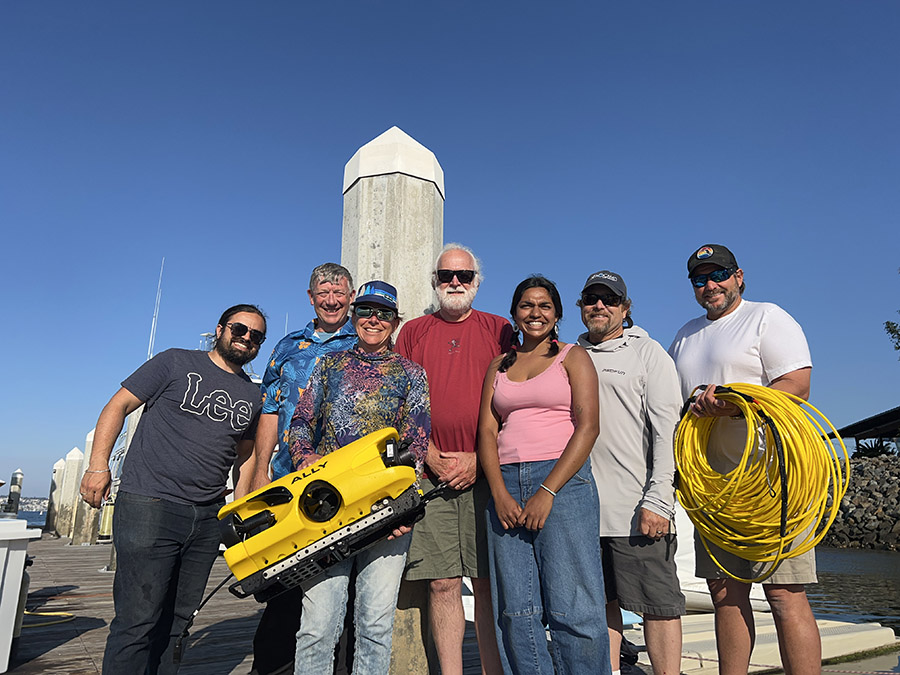
We have a single field season in early 2026 to deploy to the Antarctic Peninsula. We’ll depart from and return to Punta Arenas, Chile. Our field-based research effort includes conducting collections of Synoicum adareanum morphotypes primarily via SCUBA but also by bottom trawls and ROV collections. We have a newly acquired ROV that will join the expedition and supply diver site reconnissance and deep diving capabilities. It has an amazing camera that we look forward to using to document the undersea environment of the Antarctic Peninsula!
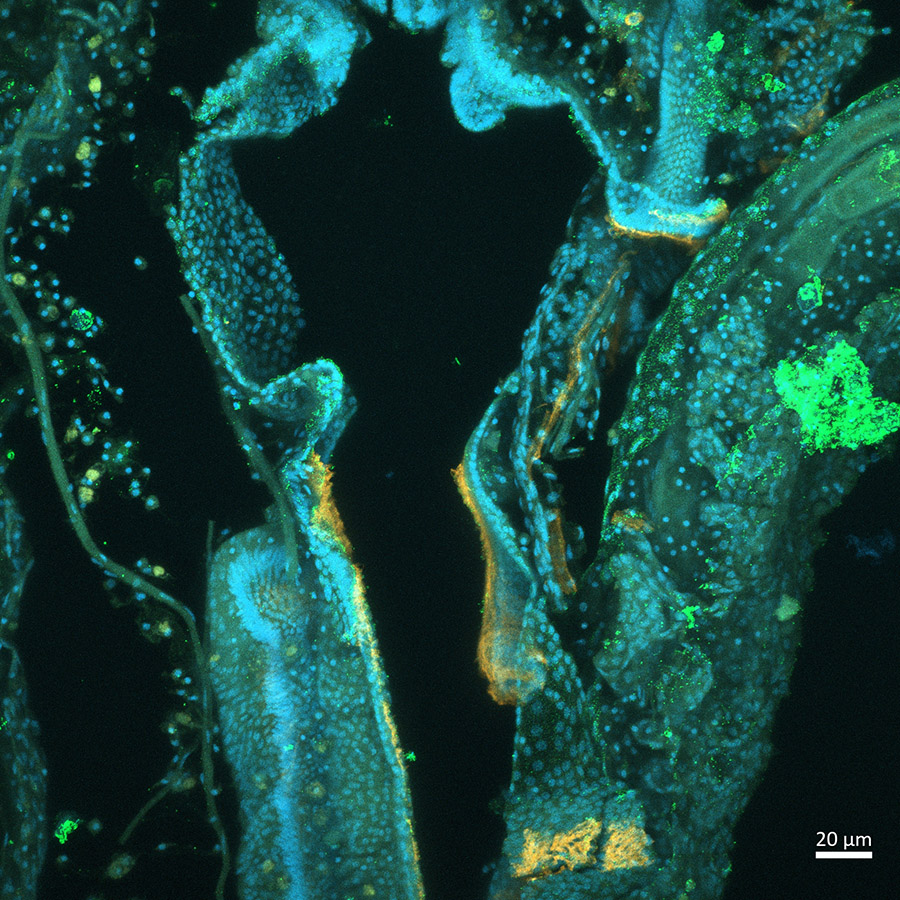
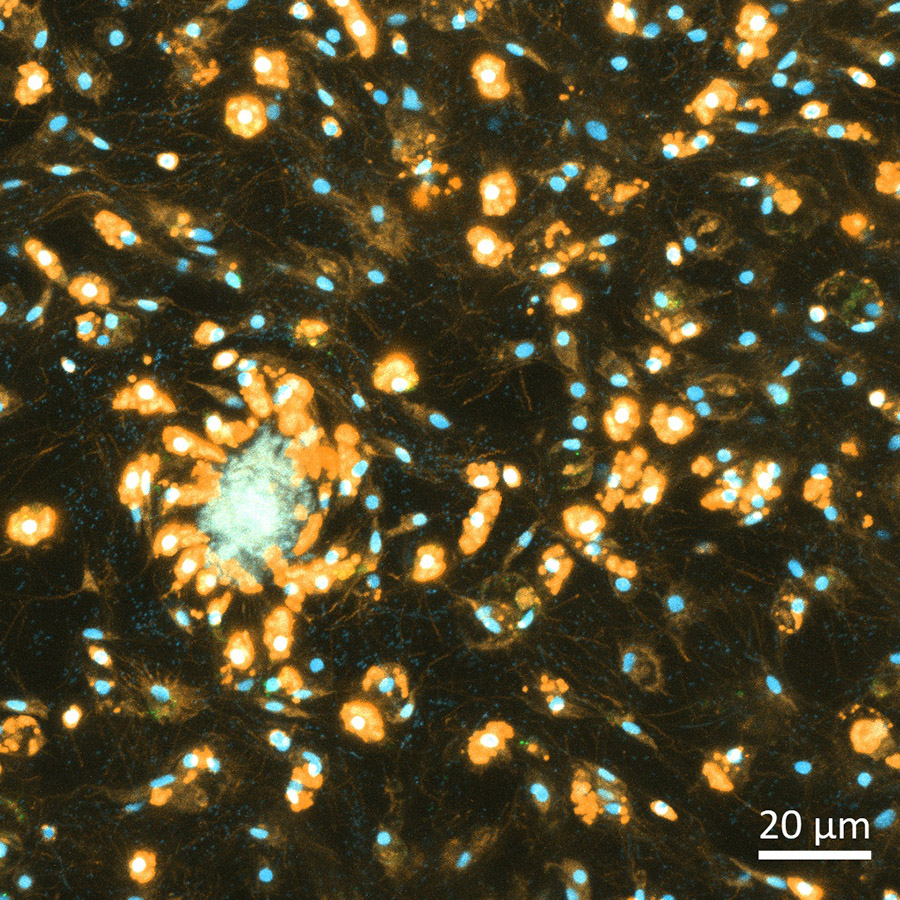
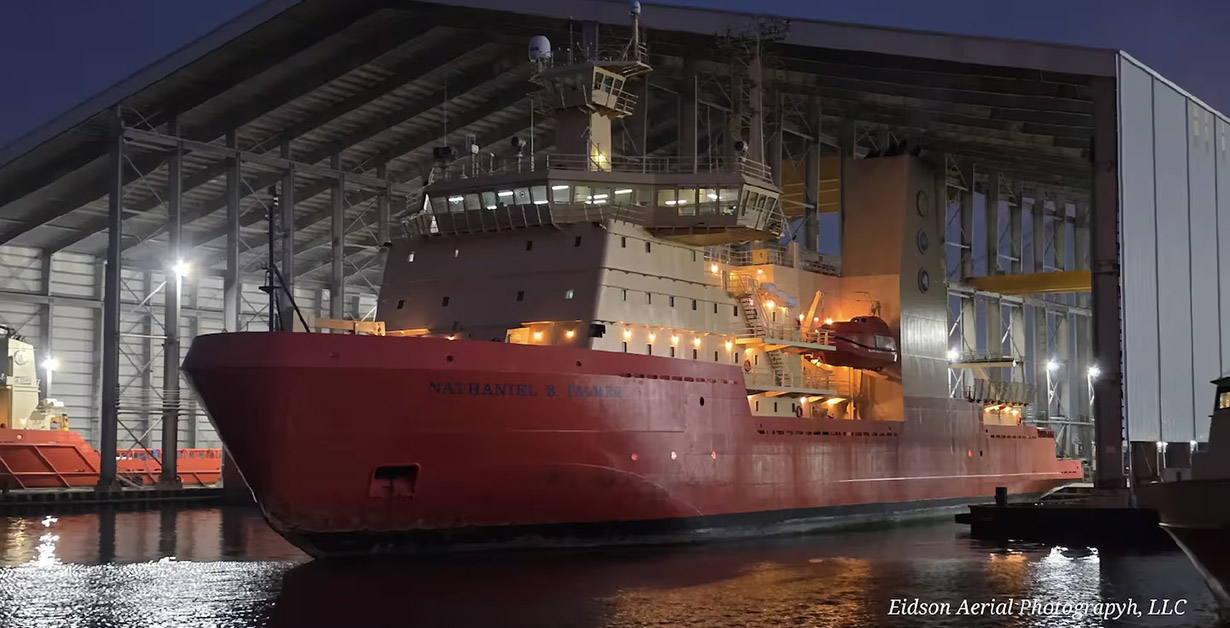
Laboratory-based activities on the ship, the Sikuliaq, will include metadata recording for all sampling events, molecular biology research with QPCR and Nanopore sequencing to be conducted at sea. We will also develop protocols for fluorescence immuno- and nucleic acid probe-based-staining to be used as reporters of cell physiology and enzymatic expression.
Ascidian sampling will take place in the South Shetland Islands, the Palmer Archipelago, the Wilhelm Archipelago, and in the Danco Coast and to the south. CTD Rosette casts will be conducted in the vicinity or dive and trawl locations to collect water samples and record oceanographic data. Sediment samples will also be collected at each sampling site. ROV operations will support diver site reconnaissance and sample collection efforts. UAS will be used to support diver safety and dive site surveillance.
ANTARCTIC FIELD TEAM MEMBERS:
- Alison Murray (Lead), DRI, Molecular Microbial Ecology; Dive Team
- Martin Tresguerres (Co-PI), SIO/UCSD, Marine Ecophysiology
- Sam Afoullouss, USF, Postdoctoral researcher, natural products/metabolomics, Dive Team
- Chuck Amsler, UAB, Dive Team
- Maggie Amsler, UAB, Dive Team
- Ria Bhabu, SIO/UCSD, Graduate Student, Ecophysiology
- Patrick Chain, LANL, Genomics and Bioinformatics
- Andy Hatch, LANL, Genomics and Bioinformatics
- Mary Higham, DRI, Molecular biology staff scientist
- Katrin Iken, UAF, Dive Team
- Benjamin Meister, USF, Dive Team, ROV Support
- Maitri Rangarajan Paul, SIO/UCSD Graduate Student, Ecophysiology
- Baptiste Serandour, NU, Postdoctoral researcher, Ocean sciences, ecological modeling and data analytics
- Annie Shoemaker, MSU, Microbiology and Cellular Biology department
- Phil Zerofski, SIO/UCSD, Dive team and ROV engineer
- Robert Zook, DRI, ROV Engineer and Dive Team
MEDIA COVERAGE:

U.S. to lose ground in Antarctica after pulling out last research ship, scientists say
The Washington Post

Scripps Scientists in Antarctica Studying Retreating Glaciers, Cancer-Fighting Microbes and More
scripps.ucsd.ed

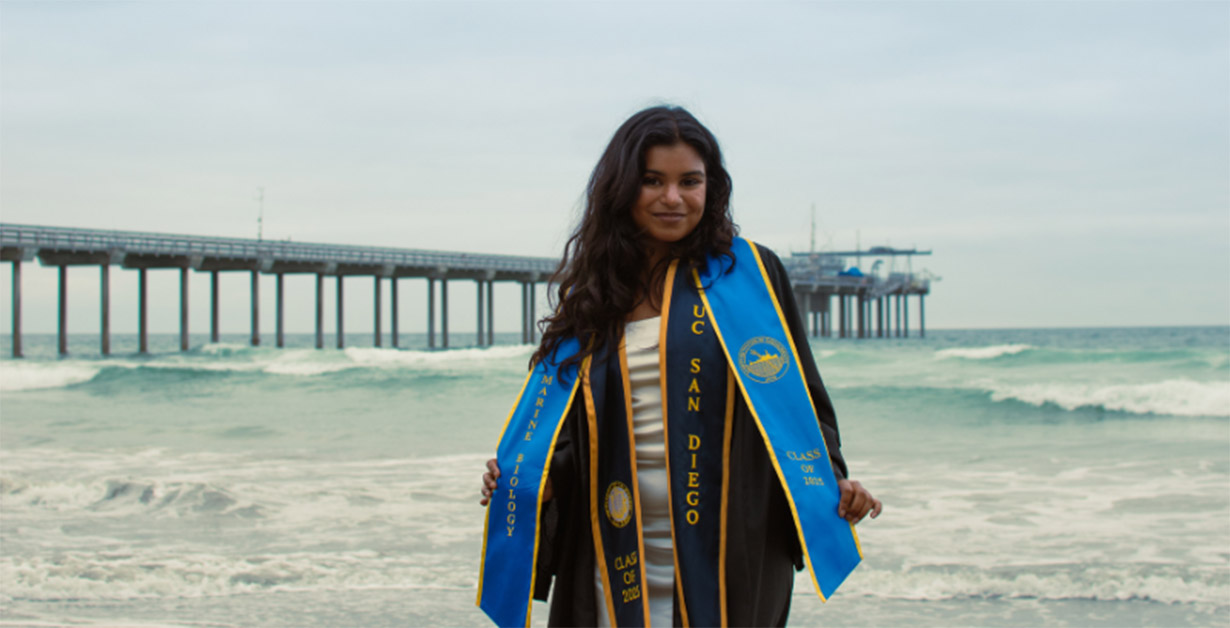
Scripps Student Spotlight: Ria Bhabu
scripps.ucsd.ed

Your Next Cancer Treatment Could Come From This Strange Antarctic Invertebrate
hitchcockproject.org
PUBLICATIONS:
Avalon, NE, AE Murray, BJ Baker. 2022. Integrated metabolomic-genomic workflows accelerate microbial natural product discovery. J. Anal. Chem. 4(35): 11959–11966. doi:10.1021/acs.analchem.2c02245.
Avalon, NE, AE Murray, HE Daligault, C-C Lo, KW Davenport, AEK Dichosa, PSG Chain, BJ Baker. 2021. Bioinformatic and mechanistic analysis of the palmerolide PKS-NRPS biosynthetic pathway from the microbiome of an Antarctic ascidian. Front. Chem. 9:802574. doi:10.3389/fchem.2021.802574
Murray, AE, C-C Lo, HE Daligault, NE Avalon, RW Read, KW Davenport, ML Higham, Y Kunde, AEK Dichosa, BJ Baker, and PSG Chain. 2021. Discovery of an Antarctic ascidian-associated uncultivated Verrucomicrobia with antimelanoma palmerolide biosynthetic potential. mSphere 6:e00759-21. doi:10.1128/msphere.00759-21.
Murray, AE, NE Avalon, LG Bishop, PSG Chain, KW Davenport, E Delage, AKE Dichosa, D Eveillard, ML Higham, S Kokkaliari, CC Lo, CS Riesenfeld, R Young, BJ Baker. 2020. Uncovering the microbiome and distribution of palmerolide in Synoicum adareanum across the Anvers Island archipelago, Antarctica. Mar. Drugs, 18:298. doi:10.3390/md18060298
Noguez, JH, TKK Diyabalanage, Y Miyata, X-S Xie, FA Valeriote, CD Amsler, JB McClintock, BJ Baker. 2011. Palmerolide macrolides from the Antarctic tunicate Synoicum adareanum. Bioorganic & Medicinal Chemistry,(19): 22: 6608-6614. 10.1016/j.bmc.2011.06.004
Riesenfeld, CS, AE Murray, BJ Baker. 2008. Characterization of the microbial consortia and polyketide synthetic potential in the Palmerolide-producing tunicate, Synoicum adareanum. Journal of Natural Products, 71 (11):1812-1818, DOI: 10.1021/np800287n.
Diyabalanage,T, CD Amsler, JB McClintock, BJ Baker. 2006. Palmerolide A, a cytotoxic macrolide from the Antarctic tunicate Synoicum adareanum. J. Am. Chem. Soc. 128(17):5630-5631. doi.org/10.1021/ja0588508
Tresguerres, Martin. July 2016. Novel and potential physiological roles of vacuolar-type H+-ATPase in marine organisms. J Exp Biol 15, 219 (14): 2088–2097, DOI: doi.org/10.1242/jeb.128389
GALLERY:
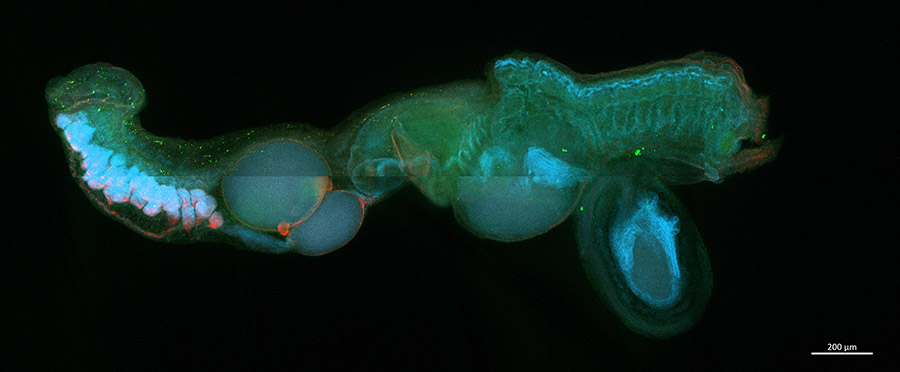
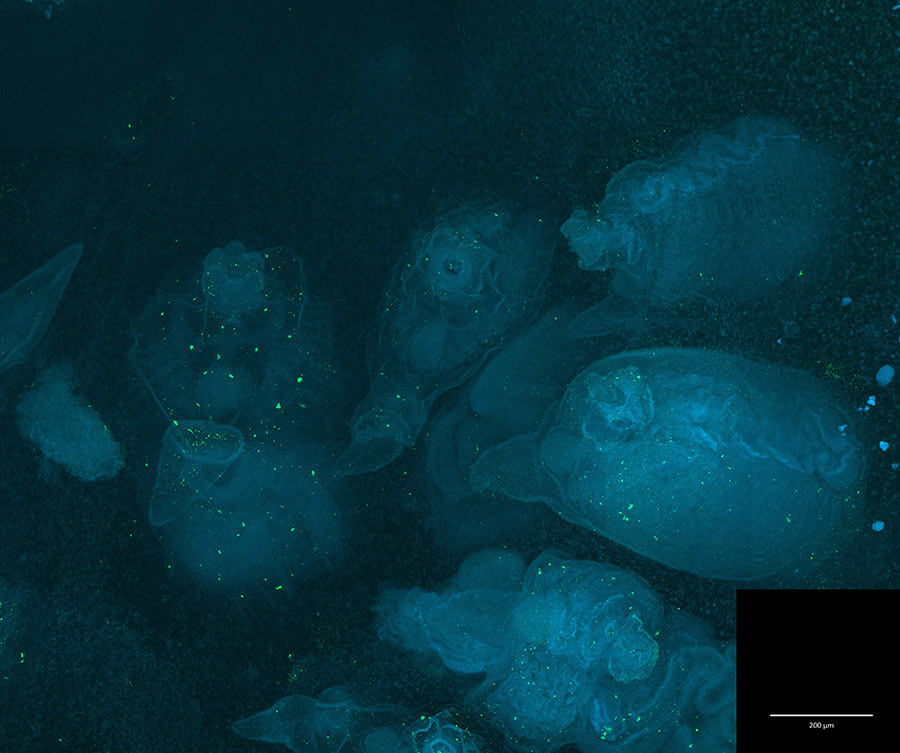
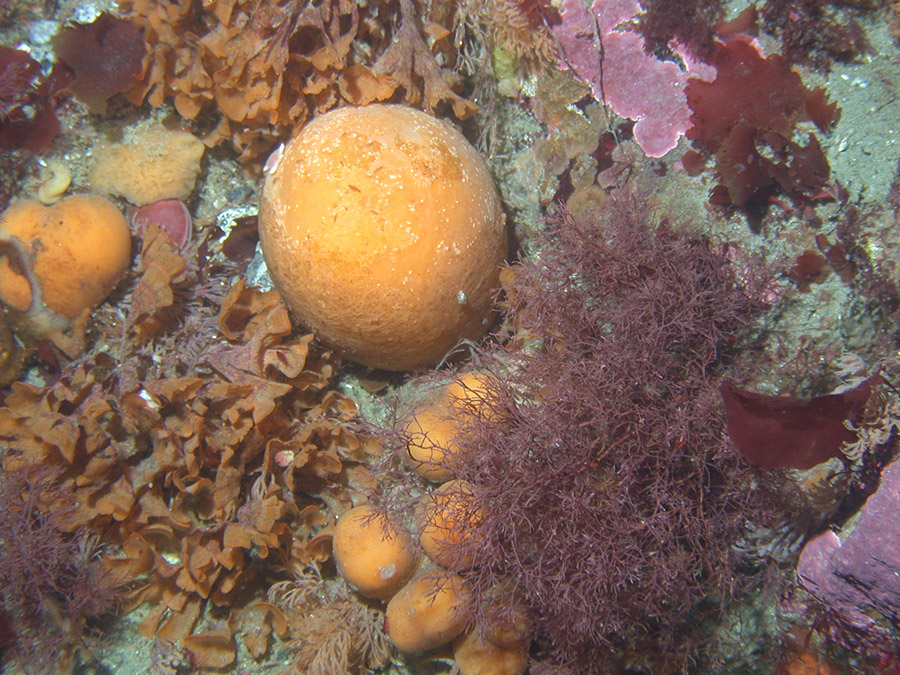
The “Star” of the Show: Synoicum adareanum Sea Squirts
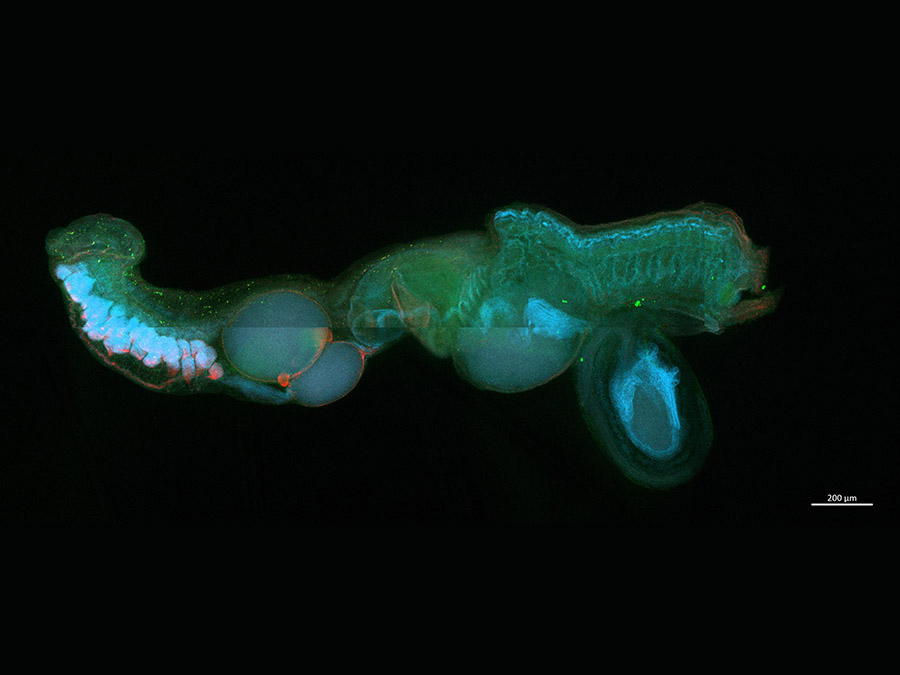
Science: Fluorescence Microscopy Methods Development
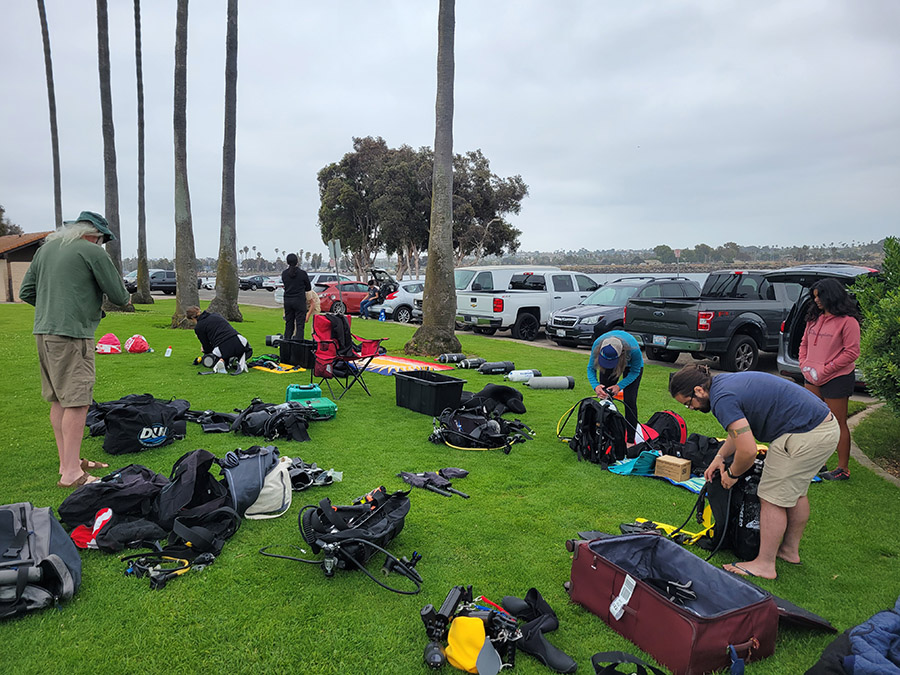
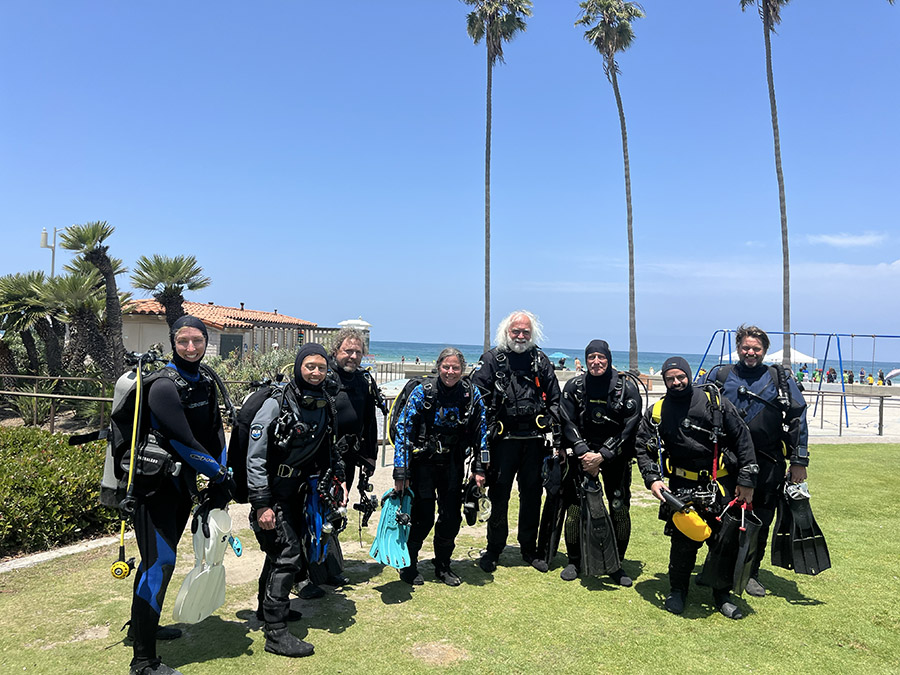
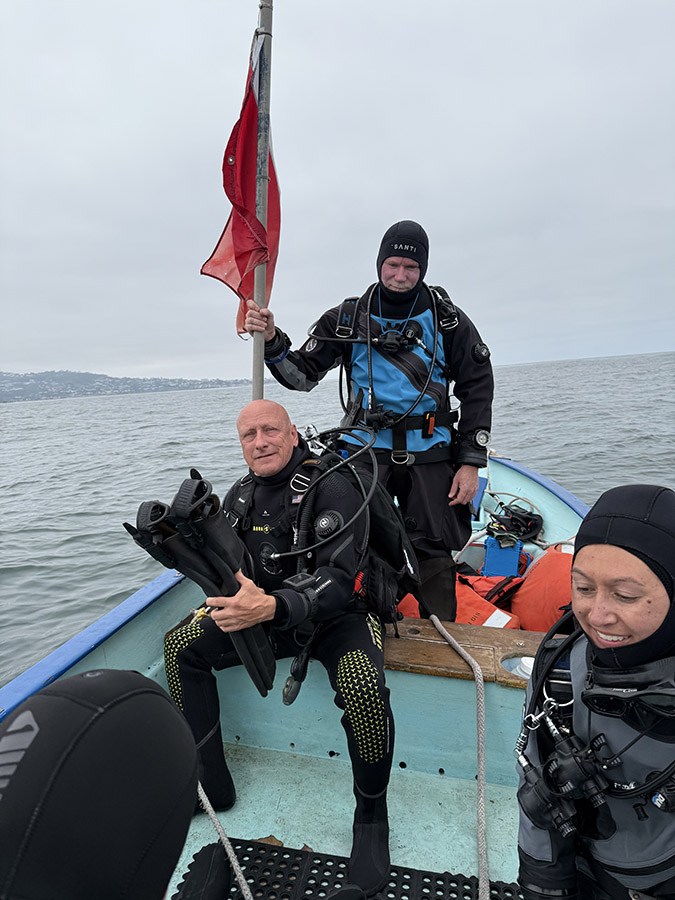
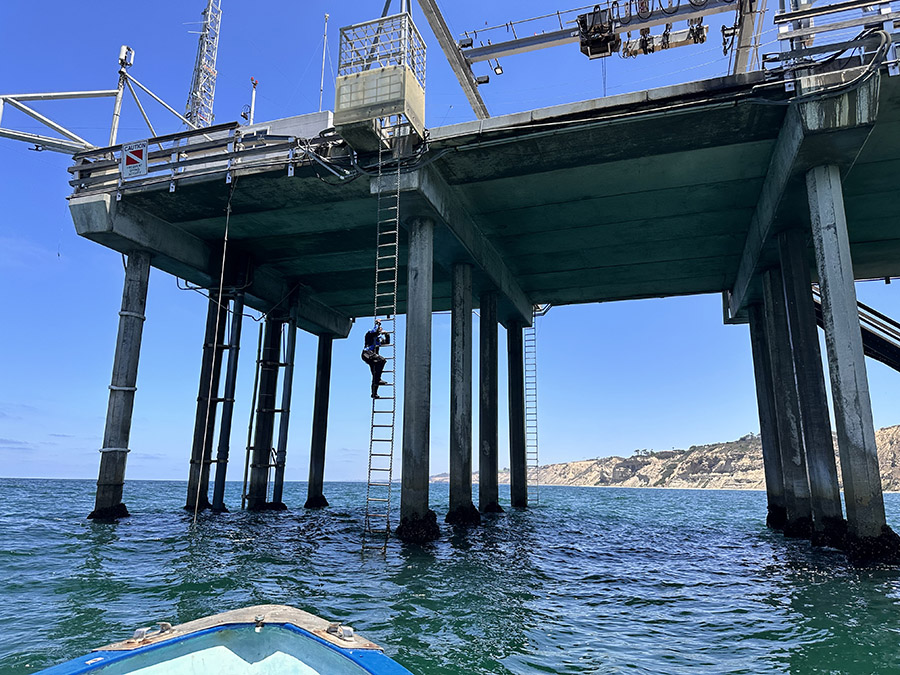
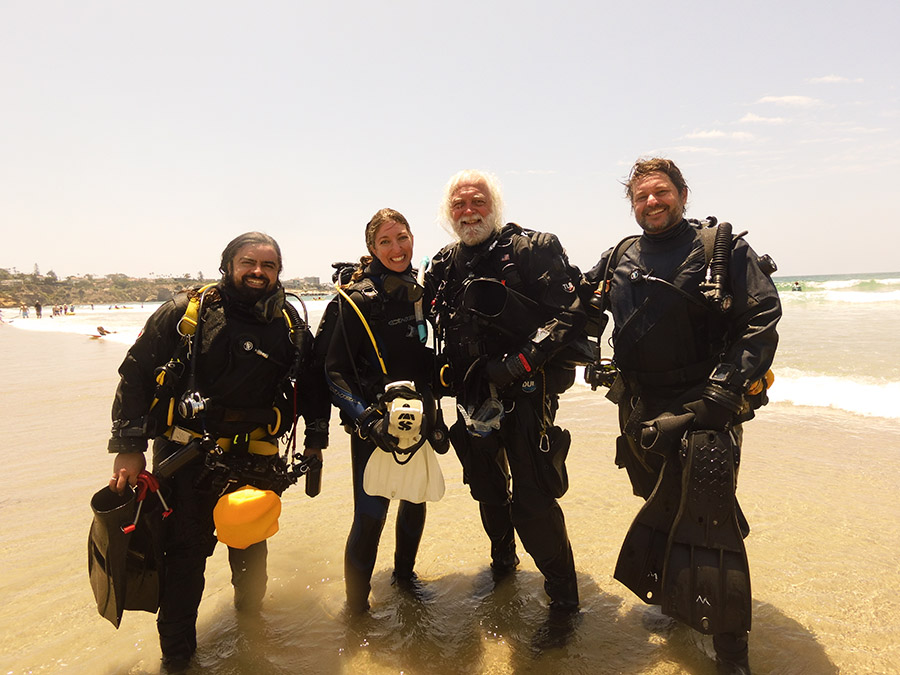
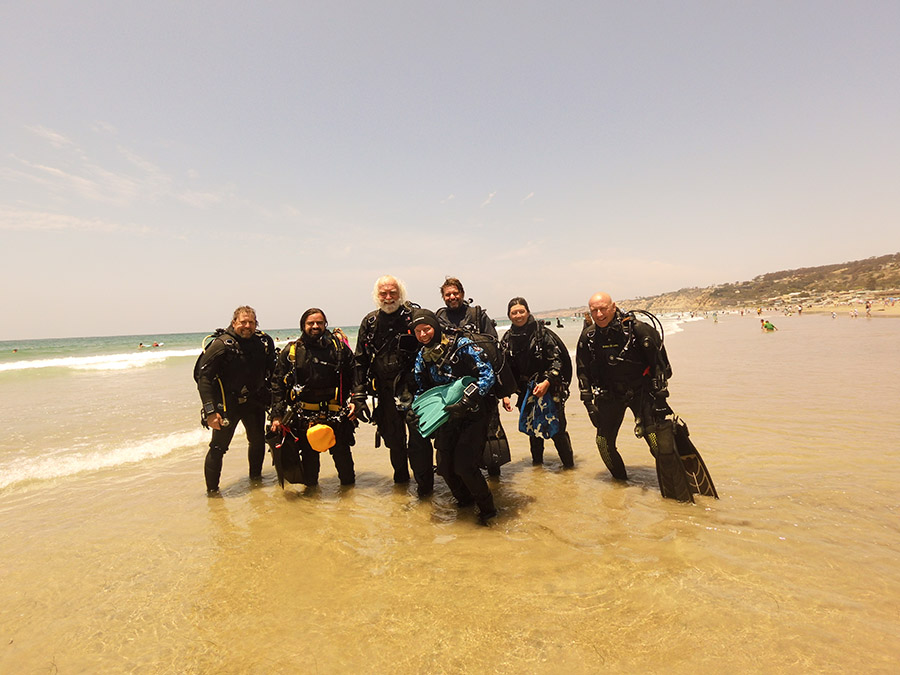
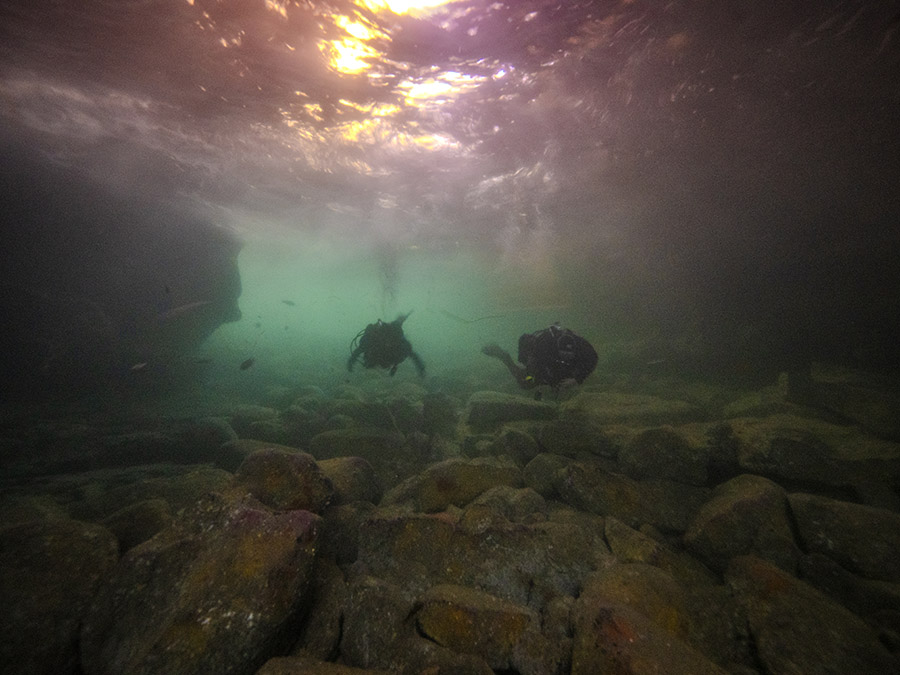
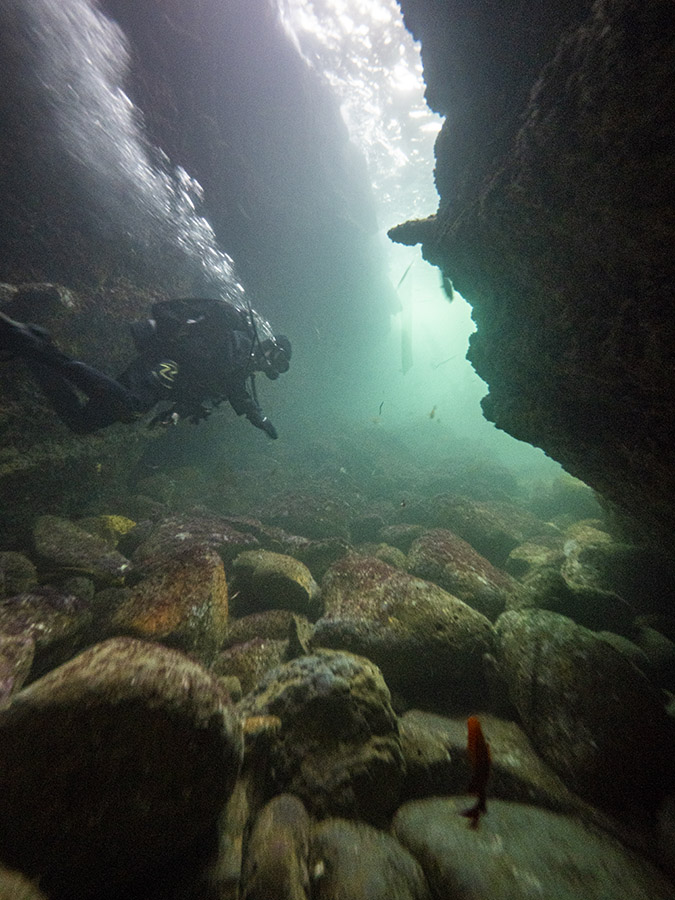
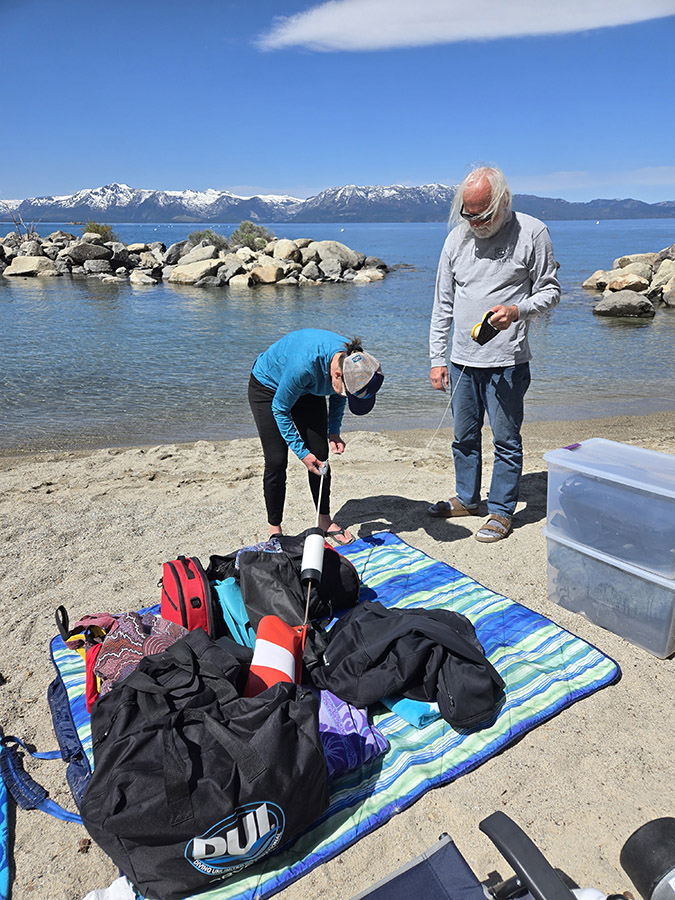
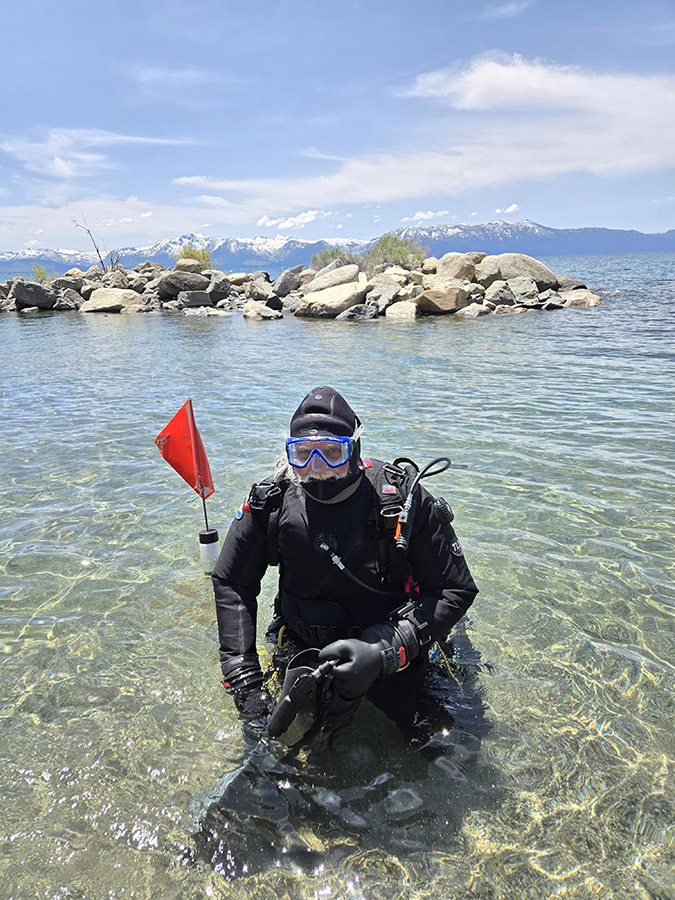
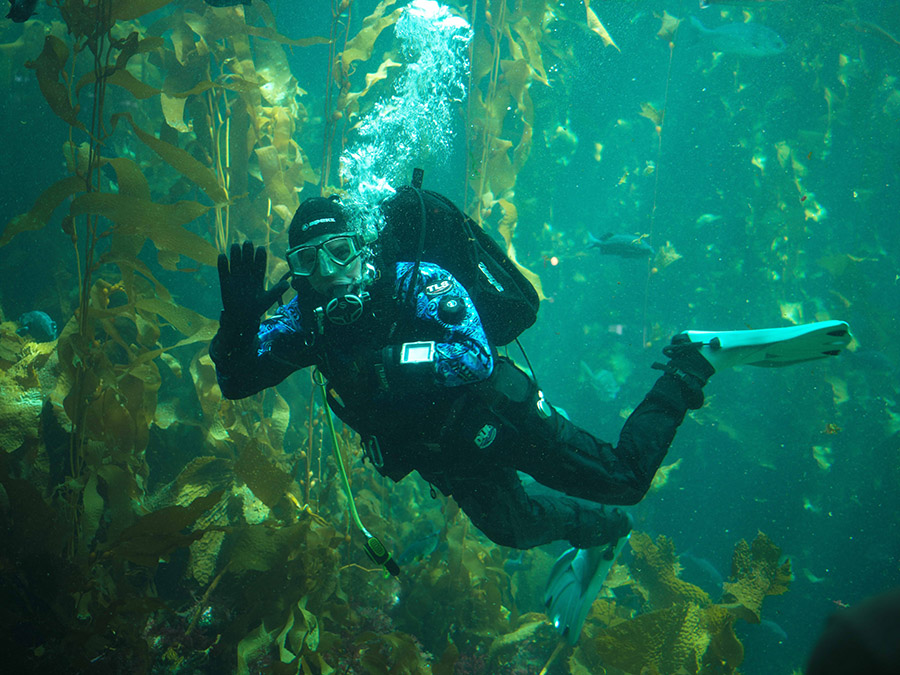
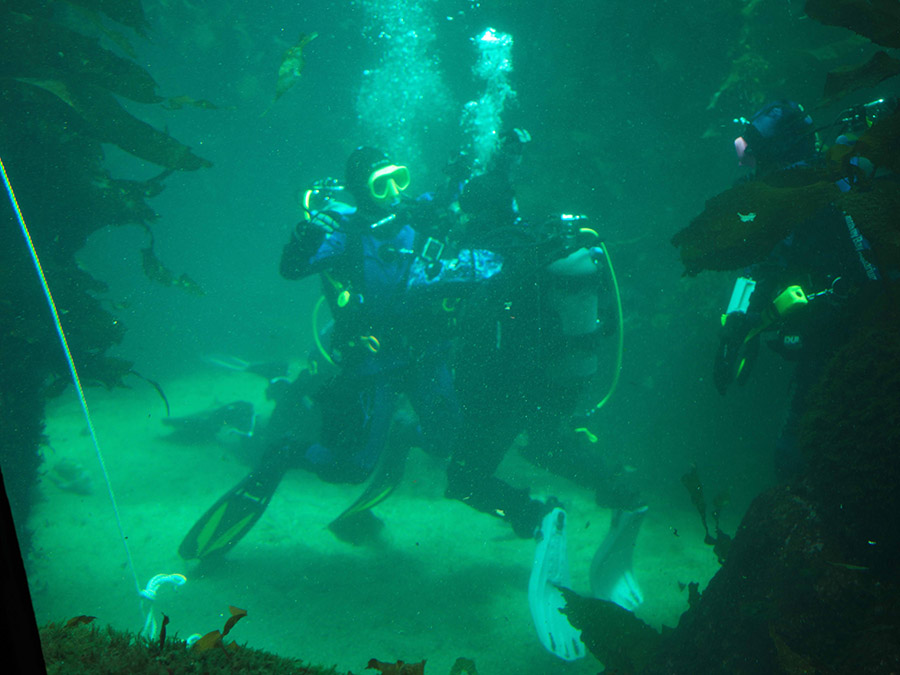
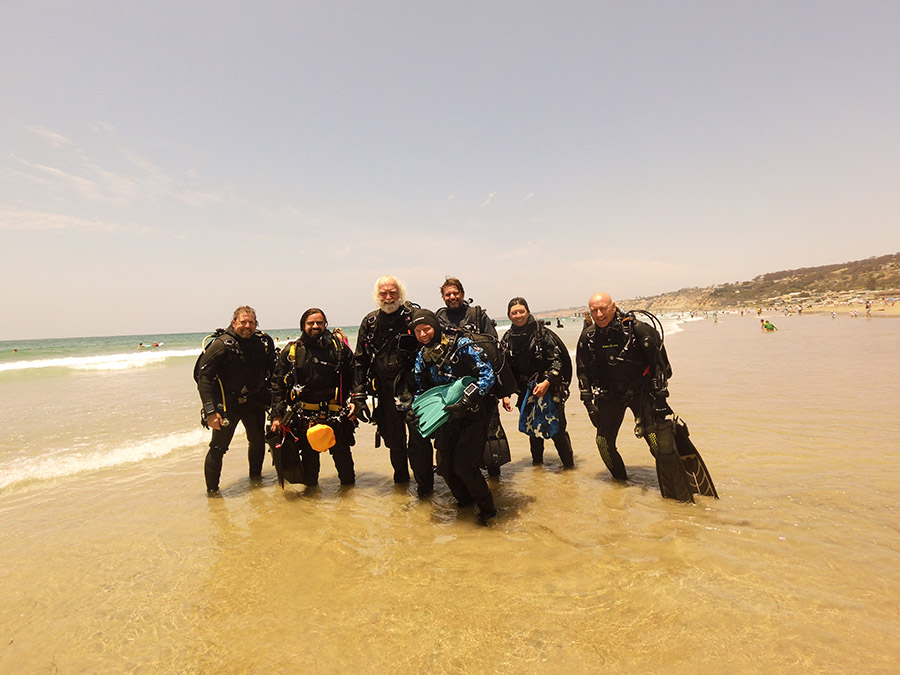
Preparations for the Expedition: SCUBA Science Diver Training
Preparations for the Expedition:
ROV Operations Training